Eating Fesikh and Renga on Sham El-Nessim: Religious Ruling and Guidelines Explained

Dar Al-Ifta clarifies that eating salted fish during Sham El-Nessim is permissible as long as it causes no harm, with health, social, and ethical guidelines to be observed.

  Sun , April 12 2026 / 03:56 PM Updated At: 2026-04-12 15:56:01

حكم تناول الفسيخ والرنجة في شم النسيم وفق دار الإفتاء المصرية والضوابط الشرعية

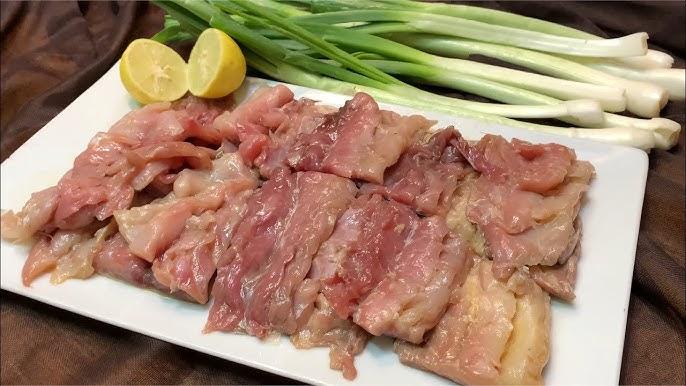
As Sham El-Nessim approaches, Egyptians revive one of their oldest traditions—celebrating spring with salted fish such as fesikh and renga—while recurring questions arise about the Islamic ruling on these practices.

Dar Al-Ifta in Egypt confirms that eating these foods and celebrating the occasion is fundamentally permissible in Islamic law, provided there is no harm involved. It may even become a rewarded act when accompanied by good intentions such as bringing joy to family, maintaining kinship ties, and lawful recreation.

However, the institution emphasizes important guidelines that must be observed. The first is health safety, as preserving life is a core objective of Islamic law. If the food is proven harmful or unsafe, its consumption becomes prohibited.

The second guideline concerns public etiquette, including avoiding disturbance to others and respecting public spaces. The third emphasizes maintaining cleanliness and preserving the environment as part of Islamic moral conduct.

Dar Al-Ifta also highlights that the timing of the celebration reflects Egypt’s long-standing tradition of social harmony and coexistence among different communities, reinforcing national unity.

Ultimately, Sham El-Nessim remains a cultural celebration rooted in social tradition rather than religious belief, making it a joyful occasion when practiced responsibly and within proper limits.

For more details and the latest updates, follow Egypt Connect

Apr 29
التوبة من المخدرات وطرق العودة إلى الله

Repentance from drug addiction is always possible, but it requires sincerity, remorse, and avoiding despair that may block divine forgiveness.

Apr 29
آداب المجالس في الإسلام والنظافة الشخصية

Cleanliness and personal appearance are not just habits but essential values in Islamic etiquette that reflect respect and اخلاق in social settings.

Apr 29
الفرق بين المناجاة والدعاء وأسباب استجابة الدعاء

A deeper spiritual insight explains the difference between regular supplication and intimate prayer, revealing key principles that increase the chances of acceptance.

Apr 29
التحذير من الحلف بالطلاق وخطورته على الأسرة

Religious guidance warns against using divorce words lightly, highlighting the serious consequences on family stability and spiritual responsibility.
