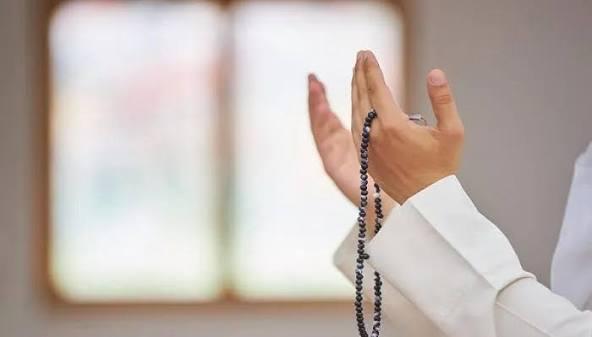
Egypt’s Dar Al-Ifta clarified that the time for Duha prayer begins approximately 25 minutes after sunrise, when the sun rises the height of a spear, and lasts until four minutes before the noon (Dhuhr) prayer, noting that local time differences must be taken into account.
It affirmed that Duha prayer is a confirmed Sunnah that the Prophet Muhammad ﷺ performed regularly, calling it Salat al-Awwabin — the Prayer of the Penitent — for its deep spiritual impact and great reward.
Among the virtues of Duha prayer are:
It serves as a charity for every joint in the human body, which numbers 360.
Whoever prays twelve rak‘ahs will have a palace built in Paradise.
Those who perform it early in the day will find Allah sufficient for them in all affairs, as mentioned in the hadith: “O son of Adam, pray for Me at the beginning of the day four rak‘ahs, and I shall suffice you at its end.”
Dr. Magdy Ashour, advisor to the Grand Mufti, noted that those unable to perform Duha prayer can earn a similar reward by saying Subhan Allah, Alhamdulillah, La ilaha illa Allah, and Allahu Akbar a total of 360 times, one for each joint.
The number of rak‘ahs may range from two to twelve, and can be prayed two by two or all together with a single tashahhud and tasleem.
Regarding the surahs recited, scholars recommend Surat Al-Kafirun and Al-Ikhlas, or Ash-Shams and Ad-Duha, for their emphasis on sincerity and devotion.
Dar Al-Ifta concluded by affirming that Duha prayer is a spiritual gift and source of divine light, a time for calm reflection and connection with the Creator. It brings tranquility to the heart, blessings in sustenance, and stands as a mark of the true believers who seek Allah even in the brightness of their daily life.