
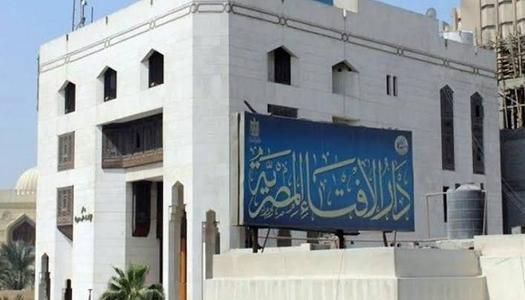

A religious scholar from Dar al-Ifta explained that engagement in Islam is considered a promise of marriage and a period for mutual acquaintance between the two parties. During this stage, both the man and woman are expected to understand each other’s personality and compatibility before proceeding to marriage.
She clarified that Islamic law does not specify a fixed duration for engagement, and there is no religious text that obliges it to be short or long. Instead, the timeframe is determined by mutual agreement according to the needs and circumstances of both families.
The duration may vary from one case to another; it can be short if compatibility is quickly established, or longer if more time is needed for understanding or preparing for married life. The key factor is reaching emotional and social reassurance between both parties.
She also emphasized that engagement is not a binding contract, and either party may end it if incompatibility appears. However, she warned against excessively prolonging the engagement period, as it may lead to emotional attachment or psychological and social complications.
Finally, she stressed the importance of moderation—ensuring engagement is neither too short to prevent proper understanding nor too long to create unnecessary pressure—while respecting both religious guidelines and real-life considerations.
For more details and latest news, follow Masr Connect




