Fasting the 27th of Rajab: A Recommended Act of Worship with Great Reward
Is fasting on the 27th of Rajab encouraged in Islam? A clear religious ruling explains its virtue, meaning, and spiritual significance.
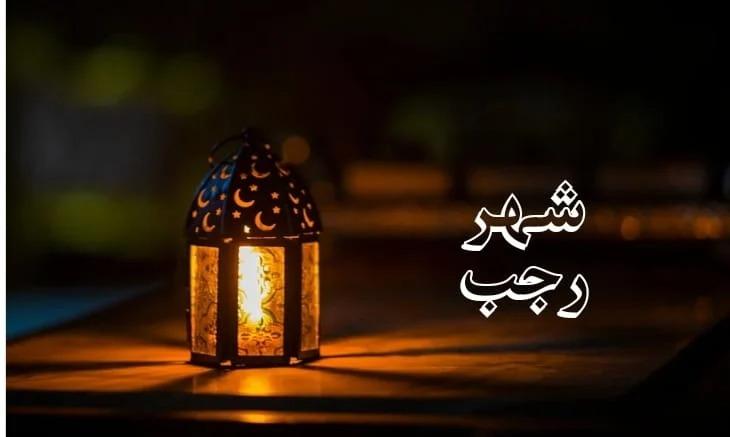
As a spiritually significant day returns each year, many Muslims ask about the ruling on fasting the 27th of Rajab and its religious value.
Islamic jurisprudence affirms that fasting on this day is recommended and permissible, falling under voluntary acts of worship that bring reward when done with sincere intention and gratitude for divine blessings.
Fasting holds a unique position in Islam, as it is a private act known only to God, free from showing off, rooted in patience, humility, and self-discipline.
Observing this fast is not an obligation, but a voluntary path for those seeking closeness, reflection, and spiritual renewal. Its value lies not in compulsion, but in intention and devotion.
It is a quiet act of worship—unseen by people, yet deeply received—when the heart is present and the purpose is pure.

Repentance from drug addiction is always possible, but it requires sincerity, remorse, and avoiding despair that may block divine forgiveness.

Cleanliness and personal appearance are not just habits but essential values in Islamic etiquette that reflect respect and اخلاق in social settings.

A deeper spiritual insight explains the difference between regular supplication and intimate prayer, revealing key principles that increase the chances of acceptance.

Religious guidance warns against using divorce words lightly, highlighting the serious consequences on family stability and spiritual responsibility.
