
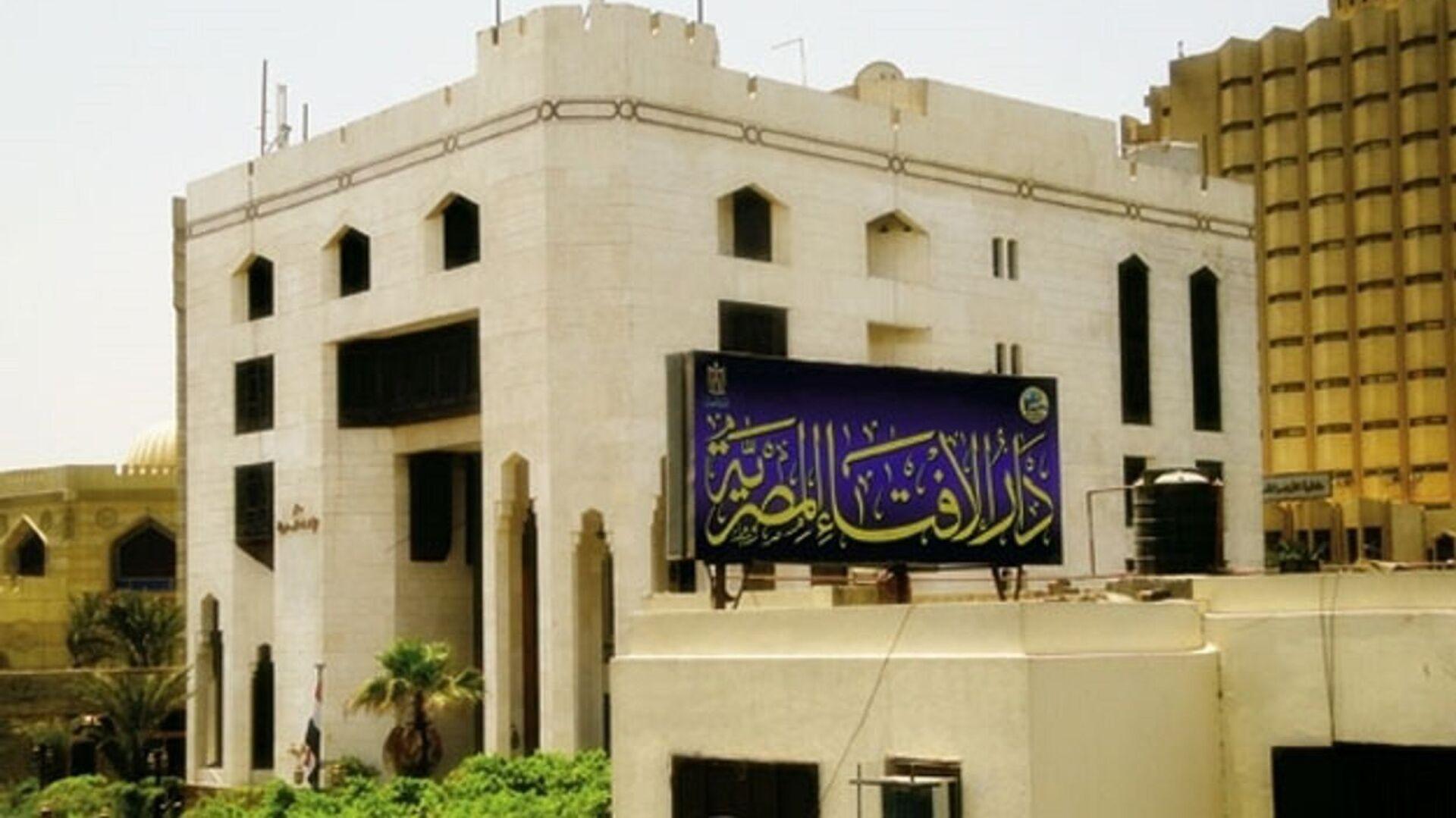

Dar Al-Ifta has affirmed that ruku’ (bowing) and sujood (prostration) are among the greatest positions for glorifying Allah within الصلاة, where a worshipper is encouraged to engage in tasbih (glorification), dhikr, and supplication, rather than reciting the Quran with the intention of tilawah (recitation), as indicated by authentic Prophetic teachings.
This ruling is supported by the hadith in which the Prophet Muhammad (peace be upon him) prohibited reciting the Quran while bowing or prostrating, clarifying that ruku’ is a position of glorification, while sujood is a moment where supplication is highly encouraged, as it is the closest a servant can be to their Lord.
The wisdom behind this guidance is that ruku’ and sujood represent humility and submission, making them more suitable for remembrance and praise, whereas the Quran is the highest form of remembrance and is more aligned with the standing position in prayer. However, reciting verses as part of supplication or praise is permissible.
Dar Al-Ifta also emphasized that sujood is one of the most hopeful moments for answered prayers and forgiveness of sins, encouraging believers to increase their supplication while adhering to the authentic supplications reported from the Prophet (peace be upon him).
Among the recommended supplications in sujood:
- Subhanaka Allahumma Rabbana wa bihamdik, Allahumma ighfir li
- Allahumma laka sajadtu wa bika amantu wa laka aslamtu
- Allahumma inni a’udhu biridaka min sakhatik
- La uhsi thana’an ‘alayk anta kama athnayta ‘ala nafsik
- Allahumma ighfir dhambi kullahu diqqahu wa jillahu wa awwalahu wa akhirahu
These supplications reflect humility, devotion, and complete submission to Allah, while seeking forgiveness, guidance, and success in both worldly life and the Hereafter.
For more details and the latest updates, follow MISR Connect




