Feeding the Poor on Behalf of the Deceased.. Al-Ifta Clarifies Its Reward
Egypt’s Dar Al-Ifta explains the virtue of feeding others for the soul of a deceased person, confirming that charity reaches the dead and increases their good deeds.
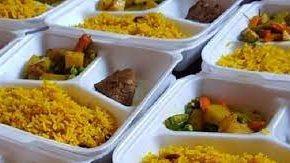

Dr. Zeinab Al-Saeed, Secretary of Fatwa at Egypt’s Dar Al-Ifta, responded to a woman asking about the virtue of feeding the poor on behalf of her late husband, and whether giving food or money is better.
She explained that feeding others is one of the most beloved deeds to Allah, as it brings comfort to the needy and spreads kindness. The Prophet ﷺ said:
“Feed the hungry, spread peace, and pray at night while people sleep, and you will enter Paradise in peace.”
Dr. Al-Saeed noted that donating food for the soul of the deceased is a righteous act whose reward reaches the dead by God’s permission, as charity benefits both the living and the dead.
She added that the choice between giving food or money depends on the needs of the poor—if food is more urgent, feeding is better; if money is more beneficial, financial aid is preferred. However, both deeds carry great reward.
She advised that one may combine both forms of charity, thus gaining double reward for spending and feeding.
Meanwhile, Dr. Iman Abu Qura, from Al-Azhar Global Fatwa Center, stated that the reward of voluntary charity reaches the deceased when the giver intends it so. She clarified that this is the consensus among most scholars, distinguishing it from obligatory zakat, which has its own specific rules.
Best Ongoing Charities for the Deceased:
Providing water: The Prophet ﷺ said: “The best charity is giving water.”
Charity to relatives: It combines the reward of charity and family ties.
Effort of the poor giver: Giving a small amount sincerely is greater than giving much without intention.
Charity from surplus wealth: Given after one’s own needs are met.
Charity during health and strength: Better than charity at the time of death.
Dar Al-Ifta concluded that feeding the poor for the soul of the deceased is a sincere act of mercy that benefits both the giver and the departed, bringing blessings, forgiveness, and comfort to hearts.

Learn the best dua to say when leaving home, including the prophetic remembrance that expresses trust in Allah and asks for guidance and protection from harm.

Dr. Mohamed Mokhtar Gomaa explains the deeper lessons in the story of Prophet Joseph, including the different legal rulings and how Joseph was able to keep his brother with him.

Who was Moses’ wife, and was she the daughter of Prophet Shuʿayb? Learn about the names Zipporah, Safura, Safuraah and Safuria and what scholars reported.
Learn the Islamic ruling on Aqiqah for boys and girls, the number of sheep, the recommended timing, how the meat is distributed, and whether it can be performed before birth.
