Greatest Dhikr in Reward: 10 Remembrances the Prophet Recommended for Immense Rewards and Forgiveness
Discover the greatest dhikr in reward as mentioned in the Holy Quran and the Sunnah of Prophet Muhammad (peace be upon him). Learn the best remembrances that multiply good deeds, erase sins, and include powerful supplications for relief, healing, and easing hardships.
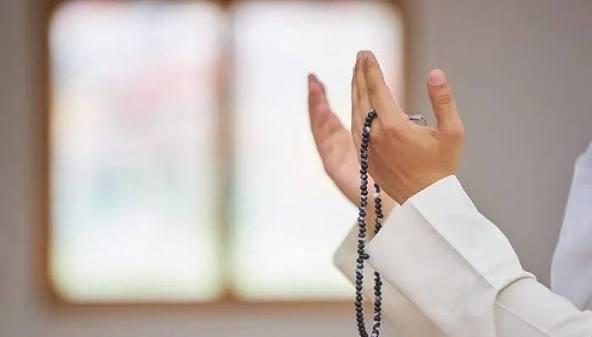

Greatest Dhikr in Reward: The Best Remembrances That Multiply Good Deeds and Erase Sins
Many Muslims search for the greatest dhikr in reward because remembering Allah is one of the greatest acts of worship in Islam. It is among the easiest acts of devotion to perform yet one of the most rewarding, bringing peace to the heart, elevating one's rank, and earning Allah's forgiveness. Allah Almighty says: "Verily, in the remembrance of Allah do hearts find rest." (Quran 13:28) This noble verse highlights that dhikr is more than words spoken by the tongue—it is an act of worship that revives the heart and strengthens a believer's relationship with Allah.
What Is the Greatest Dhikr in Reward?
The greatest dhikr in reward refers to the authentic remembrances found in the Holy Quran and the Sunnah, for which Allah and His Messenger promised immense rewards, including multiplied good deeds, forgiveness of sins, elevated ranks, and protection from Satan. Dhikr includes: Saying Subhan Allah (Glory be to Allah). Saying La ilaha illa Allah (There is no god but Allah). Saying Allahu Akbar (Allah is the Greatest). Saying Alhamdulillah (All praise is due to Allah). Seeking Allah's forgiveness (Istighfar). Sending blessings upon Prophet Muhammad (peace be upon him). Authentic supplications (Duas).
The Virtue of Remembering Allah in the Quran and Sunnah
The Quran encourages believers to remember Allah frequently. Allah says: "O you who believe! Remember Allah with much remembrance." (Quran 33:41) The Prophet Muhammad (peace be upon him) also said that the example of the one who remembers his Lord and the one who does not is like that of the living and the dead, emphasizing that dhikr gives life to the heart and strengthens faith. Among the virtues of dhikr are: Bringing tranquility to the heart. Forgiving sins. Multiplying rewards. Protection from Satan. Earning Allah's love. Raising one's rank on the Day of Judgment.
Levels of Dhikr
The renowned scholar Ibn Al-Qayyim explained that dhikr has three levels:
1. Outward Dhikr
This is remembering Allah through prescribed phrases such as: Subhan Allah (Glory be to Allah) Alhamdulillah (All praise is due to Allah) La ilaha illa Allah (There is no deity worthy of worship except Allah) Allahu Akbar (Allah is the Greatest) It also includes supplication and praising Allah.
2. Hidden Dhikr
This is remembering Allah with a heart that is fully aware of His presence, constantly feeling His closeness and maintaining a sincere connection with Him in every circumstance.
3. True Dhikr
This is when Allah remembers His servant among the angels in the highest assembly, which is considered the highest and most honorable level of remembrance.
10 Remembrances the Prophet (Peace Be Upon Him) Recommended
1. Tasbih After Every Obligatory Prayer
After each obligatory prayer, recite: Subhan Allah (33 times) Alhamdulillah (33 times) Allahu Akbar (33 times) Then complete one hundred by saying: La ilaha illa Allah wahdahu la sharika lah, lahul-mulk wa lahul-hamd wa huwa 'ala kulli shay'in qadir. (There is no god but Allah alone, with no partner. His is the dominion and His is all praise, and He has power over all things.)
2. Saying "La ilaha illa Allah..." One Hundred Times Daily
Whoever recites: La ilaha illa Allah wahdahu la sharika lah, lahul-mulk wa lahul-hamd wa huwa 'ala kulli shay'in qadir one hundred times each day will receive one hundred good deeds, have one hundred sins erased, and be protected from Satan until evening.
3. Saying "Subhan Allah wa bihamdih" One Hundred Times
The Prophet (peace be upon him) said: Whoever says "Subhan Allah wa bihamdih" one hundred times in a day will have his sins forgiven even if they are as abundant as the foam of the sea.
4. "Subhan Allah wa bihamdih, Subhan Allah Al-Azim"
The Prophet described these words as: Light on the tongue. Heavy on the Scale. Beloved to the Most Merciful.
5. "Subhan Allah, Alhamdulillah, La ilaha illa Allah, Allahu Akbar"
The Messenger of Allah (peace be upon him) said: To say "Subhan Allah, Alhamdulillah, La ilaha illa Allah, and Allahu Akbar" is dearer to me than everything upon which the sun rises.
6. Sending Blessings Upon the Prophet
The Prophet (peace be upon him) said: Whoever sends one blessing upon me, Allah sends ten blessings upon him.
7. The Supplication for Good in This World and the Hereafter
The supplication most frequently recited by the Prophet (peace be upon him) was: Our Lord, grant us good in this world and good in the Hereafter, and protect us from the punishment of the Fire.
8. "La hawla wa la quwwata illa billah"
The Prophet (peace be upon him) described it as: A treasure from the treasures of Paradise.
9. Sayyid al-Istighfar (The Best Supplication for Seeking Forgiveness)
The greatest formula for seeking forgiveness begins with: O Allah, You are my Lord. There is no deity except You. You created me, and I am Your servant... Whoever recites it with sincere faith in the morning or evening and dies that day will enter Paradise.
10. "Subhan Allah wa bihamdih, 'Adada Khalqih..."
Among the greatest remembrances in reward is saying: Subhan Allah wa bihamdih, 'adada khalqih, wa rida nafsih, wa zinata 'arshih, wa midada kalimatih. (Glory and praise be to Allah, equal to the number of His creation, His pleasure, the weight of His Throne, and the ink of His words.)
Powerful Quranic Supplications for Healing
Among the Quranic chapters and verses commonly recited while seeking Allah's healing are: Surah Al-Fatihah Ayat Al-Kursi Surah Al-Ikhlas Surah Al-Falaq Surah An-Nas The last two verses of Surah Al-Baqarah Muslims are also encouraged to supplicate for the sick using authentic prayers from the Sunnah while believing that healing comes only from Allah.
Beautiful Supplications for Relief and Removing Hardship
Among the comprehensive supplications are: O Allah, help me remember You, thank You, and worship You in the best manner. Our Lord, grant us good in this world and good in the Hereafter and save us from the punishment of the Fire. O Allah, I seek refuge in You from going astray or causing others to go astray... O Allah, nothing is easy except what You make easy, and You can make hardship easy whenever You will. O Reliever of distress and Remover of hardship, relieve my worries, ease my affairs, and provide for me from sources I never expect.
How to Make Dhikr Part of Your Daily Life
To maintain the habit of remembering Allah, make sure to: Observe the morning and evening adhkar. Recite the remembrances after every obligatory prayer. Frequently seek Allah's forgiveness. Send blessings upon Prophet Muhammad (peace be upon him). Glorify Allah while working or walking. End your day with remembrance and supplication.
The Virtue of Constantly Remembering Allah
Regular remembrance of Allah brings tranquility to the heart, strengthens faith, forgives sins, and earns Allah's pleasure. The authentic remembrances combine simplicity with immense rewards, making them among the greatest acts of worship every Muslim should maintain throughout the day.
Learn the best Islamic prayers for seeking رزق (provision), blessings, and relief, along with important causes of increasing sustenance in Islam.
Discover the best Islamic duas for removing worry and sadness from the Sunnah, including prayers for hardship, relief, and inner peace.
Discover the best Islamic prayers for seeking forgiveness and sincere repentance from the Quran and Sunnah, including Sayyid Al-Istighfar.

Egypt’s Dar Al-Ifta clarified the Islamic ruling on working in the cosmetics industry, confirming that manufacturing, trading, and marketing cosmetics are permissible according to Islamic law, provided that certain conditions are followed, most importantly avoiding harm.
