The Importance of Cooperation in Islam and Building Society
Learn about the concept of cooperation in Islam, the meaning of “Cooperate in righteousness and piety,” and the role of solidarity and sincerity in building a strong society.


Cooperation in Islam is one of the fundamental values encouraged by the religion. It is a way to spread goodness, strengthen social bonds, and promote compassion and mercy among people.
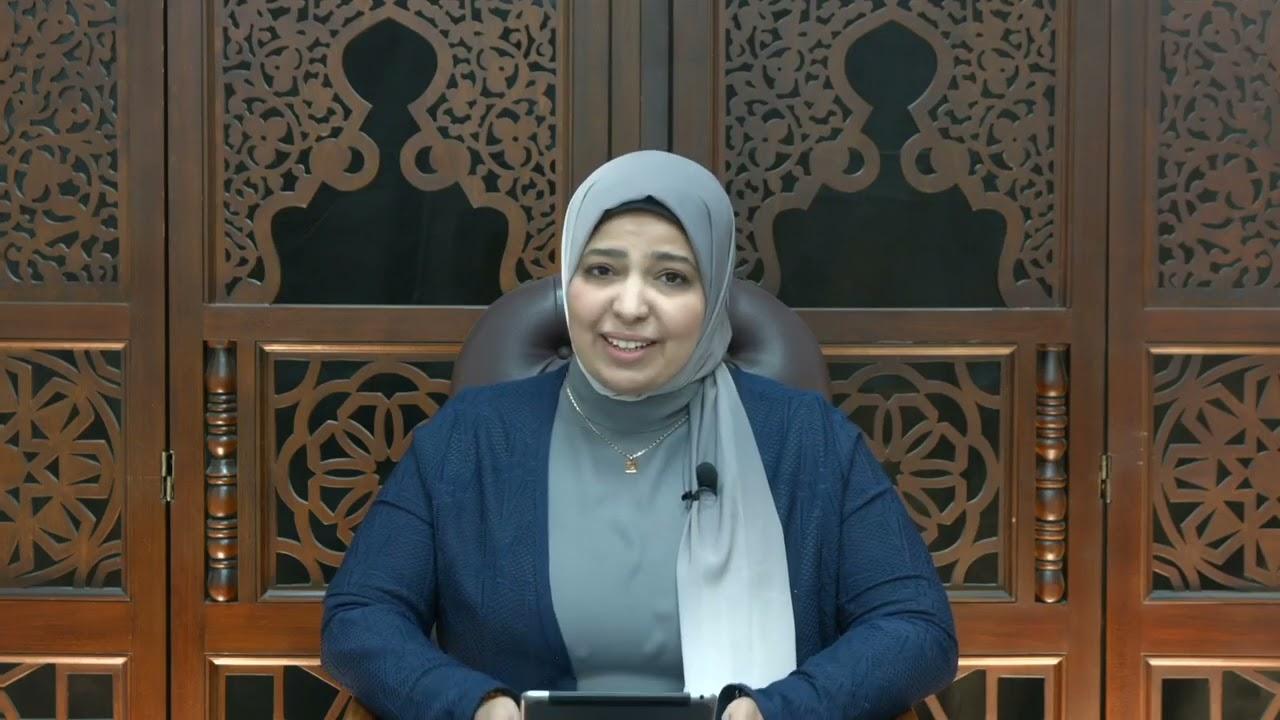
Dr. Mahmoud Al-Tahan, a Fatwa Secretary at the Egyptian Dar Al-Ifta, explained that Allah’s saying:
"And cooperate in righteousness and piety"
carries a clear message about the importance of cooperation between people. He emphasized that the verse highlights collective efforts rather than individual actions, reflecting the spirit of solidarity and compassion in society.
The Meaning of “Cooperate in Righteousness and Piety”
Dr. Mahmoud Al-Tahan explained that this verse represents a divine principle that guides human behavior and social relationships.
The word "righteousness" includes all forms of kindness, charity, and good deeds, while "piety" refers to being mindful of Allah and seeking His approval in every action.
This shows that cooperation in Islam extends to all areas of life that bring benefit and goodness to people.
Rules of Cooperation in Islam
Cooperation Must Be in Goodness
Islam encourages cooperation, but only in matters that bring الخير and benefit.
Allah says:
"And do not cooperate in sin and aggression."
This guidance creates balance in society by encouraging positive cooperation while preventing participation in wrongdoing or injustice.
Serving the Common Good
True cooperation helps build a connected society based on responsibility, support, and mutual care, while reducing selfishness and personal interests.
Examples of Cooperation in Islam
Cooperation appears in many aspects of life, including:
- Helping the poor and those in need.
- Supporting family members.
- Participating in charitable activities.
- Assisting people during difficult times.
- Working together for the benefit of society.
Cooperation in the Sunnah of Prophet Muhammad
Dr. Mahmoud Al-Tahan explained that Prophet Muhammad (peace and blessings be upon him) demonstrated the values of cooperation and solidarity throughout his life.
The Prophet said:
"The best of you are those who are best to their families."
He also said:
"None of you truly believes until he loves for his brother what he loves for himself."
These teachings show that cooperation begins within the family and extends to the entire community.
The Role of Intention and Sincerity
The Fatwa Secretary emphasized that intention is an essential part of true cooperation, referring to the saying of Prophet Muhammad:
"Actions are judged by intentions."
Real cooperation is not only about visible participation; it requires sincerity and seeking Allah’s pleasure.
When cooperation is motivated by showing off or personal gain, it loses its true value and purpose.
The Impact of Sincere Cooperation on Society
When cooperation is based on sincerity and awareness of Allah, it becomes a powerful way to spread goodness and strengthen society.
It helps to:
- Strengthen relationships between people.
- Promote social solidarity.
- Reduce selfishness.
- Encourage development and positive change.
- Build a more connected and compassionate community.
What does “Cooperate in righteousness and piety” mean?
It means helping others in acts of goodness, kindness, and everything that benefits people.
Does Islam have limits for cooperation?
Yes. Cooperation should only be in good matters and must not support sin, injustice, or harm.
Why is cooperation important in society?
Cooperation strengthens relationships, spreads compassion, and creates a more supportive community.
Does intention affect the value of cooperation?
Yes. Sincerity and good intentions are essential for the acceptance and success of actions.
How can we practice cooperation in daily life?
By helping others, supporting family members, participating in beneficial activities, and serving the community.

Learn about the best ways to protect children from harm through Islamic spiritual protection, Prophetic supplications, and daily remembrances that help provide protection by the permission of Allah.

Learn how to perform Salat al-Istikhara, its authentic supplication, and the Islamic ruling on interpreting dreams related to important life decisions.
Learn about the Islamic ruling on women praying in a country without a mosque, whether praying at home is sufficient, and whether women can establish congregational prayer at home.
Learn about the concept of an answered dua, the reasons behind accepting supplications, and powerful prayers from the Quran and Sunnah for relief, رزق, and fulfilling needs.
