Is Ablution Required for Prostration of Gratitude? Full Islamic Ruling Explained
Sujood al-Shukr is a moment of deep gratitude—but does it require ablution like prayer? The answer reveals scholarly اختلاف and ease in practice.
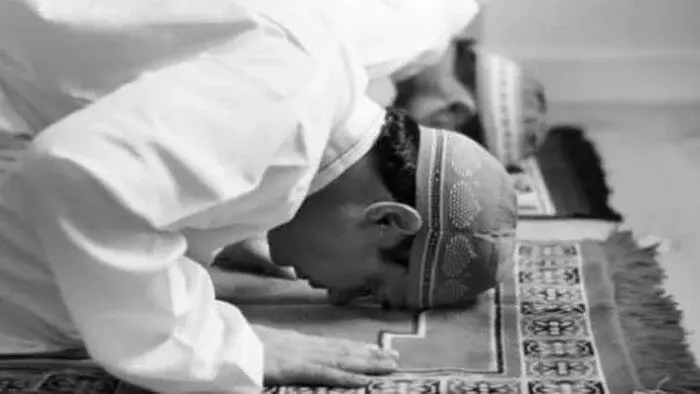

Many Muslims wonder whether ablution is required for Sujood al-Shukr, especially since it often happens suddenly in response to good news or relief.
On the other hand, the majority of scholars consider it similar to prayer, requiring purification, facing the qiblah, and proper conditions, based on analogy with other forms of prostration.
However, others argue for ease, emphasizing that Sujood al-Shukr lacks key elements of prayer such as bowing and recitation, making it distinct and therefore not bound by the same requirements.
The preferred approach is to perform it with ablution and proper direction if possible, ensuring completeness and avoiding اختلاف. But performing it without ablution remains permissible, especially in sudden situations.
This diversity of opinions reflects the flexibility and mercy within Islamic teachings, allowing believers to express gratitude to God without hardship.
For more details and the latest news, follow Masr Connect

Many seek powerful supplications for quick marriage, asking Allah for a righteous spouse, protection, and ease, along with Quranic prayers that open doors of relief.
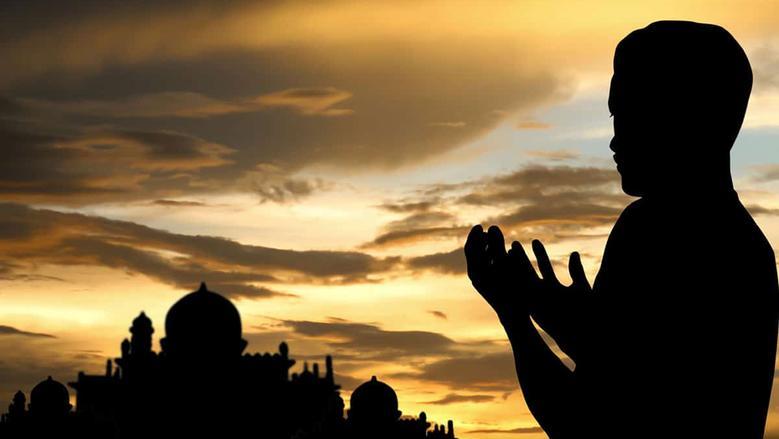
In times of hardship and distress, Muslims turn to powerful supplications seeking relief, peace, and divine comfort that removes sorrow and anxiety.

Many expectant mothers turn to supplications for fetal protection, seeking safety, perfect creation, and peace of mind alongside medical care.

In times of fear and concern for children, many parents turn to the dua of entrusting their children to Allah, seeking divine protection and endless care.
