Is Celebrating Sham El-Nessim Allowed? Official Religious Ruling Explained
Religious authorities clarify the truth behind celebrating Sham El-Nessim and whether it is permissible in Islam.
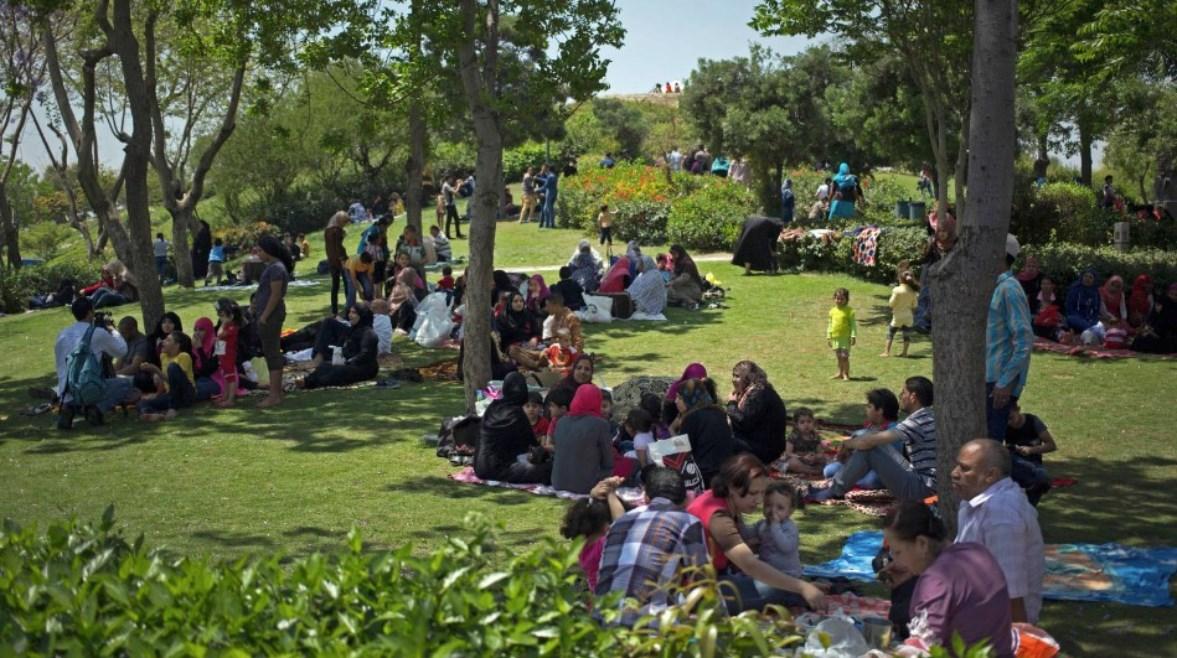
Religious authorities have clarified the ongoing debate about Sham El-Nessim, confirming that claims about its prohibition have no valid basis, and that it is considered a permissible social occasion.
The statement explained that Sham El-Nessim is not a religious holiday, but rather a long-standing cultural tradition associated with the arrival of spring. People typically celebrate by spending time outdoors, gathering with family, and relaxing—activities that are generally encouraged in Islam.
Officials emphasized that celebrating this occasion is allowed as long as it does not involve practices that contradict religious or moral values. Islam, they noted, accepts social customs that do not conflict with its core principles.
It was also highlighted that celebrating the arrival of spring is an ancient human tradition practiced by many civilizations throughout history, and is not tied to any specific religious belief. This makes it a permissible cultural activity.
Additionally, the occasion helps strengthen social bonds and promotes a sense of community and coexistence—values that align closely with Islamic teachings of compassion and cooperation.
For more details and latest news, follow Misr Connect

Repentance from drug addiction is always possible, but it requires sincerity, remorse, and avoiding despair that may block divine forgiveness.

Cleanliness and personal appearance are not just habits but essential values in Islamic etiquette that reflect respect and اخلاق in social settings.
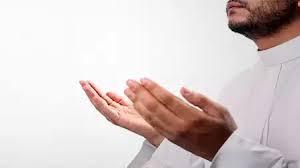
A deeper spiritual insight explains the difference between regular supplication and intimate prayer, revealing key principles that increase the chances of acceptance.
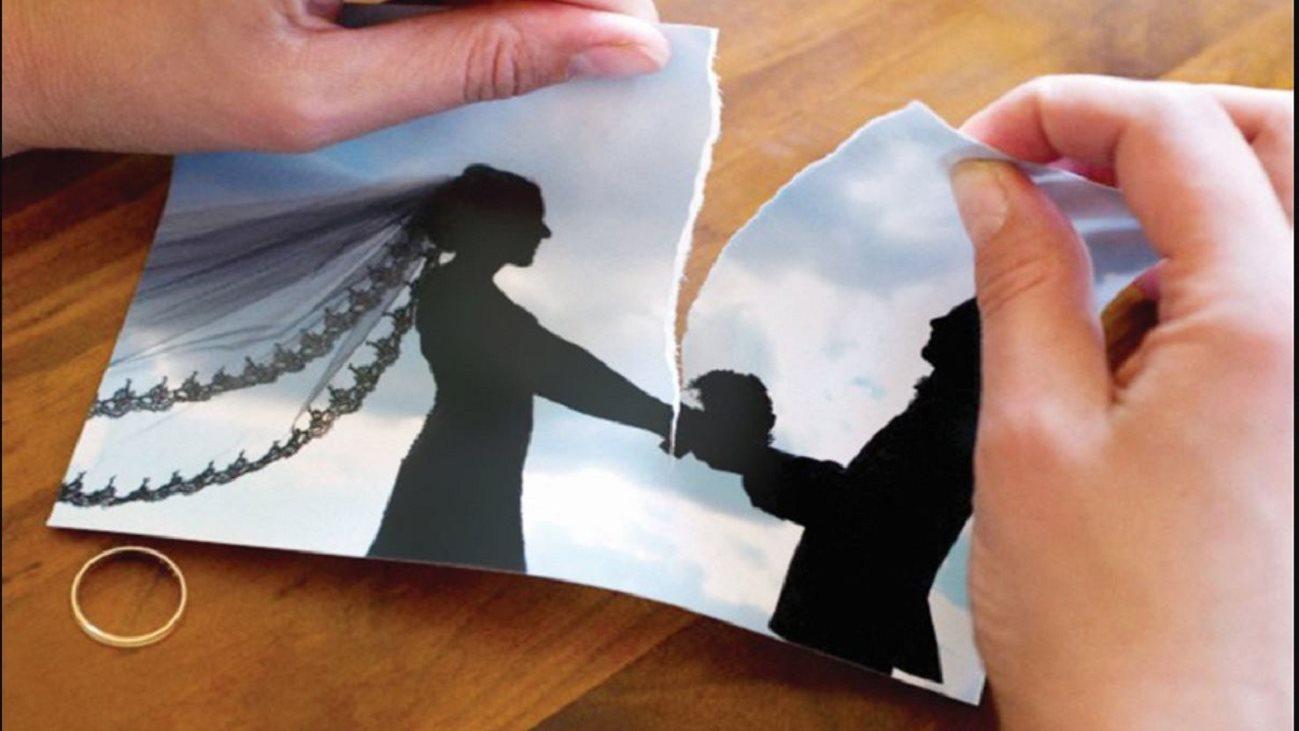
Religious guidance warns against using divorce words lightly, highlighting the serious consequences on family stability and spiritual responsibility.
