Several religious questions continue to attract the attention of Muslims, particularly those related to acts of worship, zakat and matters concerning the deceased.
Among the notable questions are the ruling on Salat al-Hajah and how to perform it, zakat on money arising from insurance policies, and placing flowers or green plants on graves.
Egypt’s Dar Al-Ifta has explained the rulings related to these issues and clarified the religious basis for each matter.
What Is the Ruling on Salat al-Hajah?
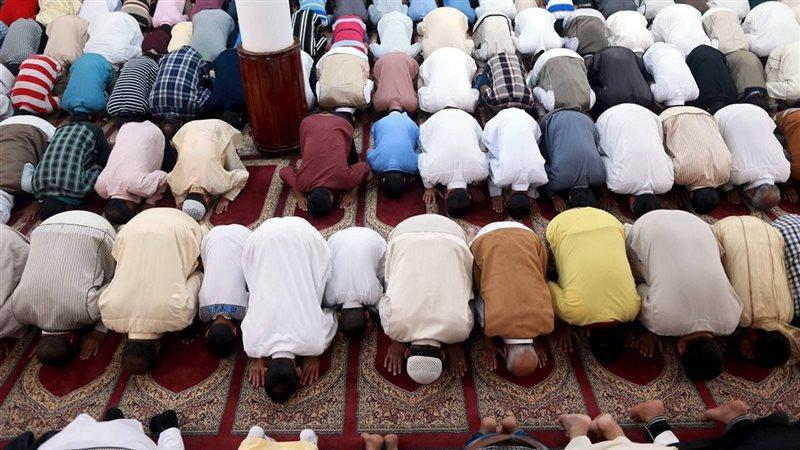
Egypt’s Dar Al-Ifta explained that Salat al-Hajah is among the recommended prayers performed when a Muslim has a particular need and turns to Allah Almighty through prayer and supplication.
How Many Rak‘ahs Are in Salat al-Hajah?
Salat al-Hajah is performed as two rak‘ahs. After completing the prayer, the worshipper praises Allah, sends blessings upon Prophet Muhammad, peace and blessings be upon him, and then supplicates Allah for the fulfillment of the need.
Among the supplications mentioned in this context is:
“There is no god but Allah, the Forbearing, the Generous. Glory be to Allah, Lord of the Mighty Throne. Praise be to Allah, Lord of the worlds. I ask You for the causes of Your mercy, the means to Your forgiveness, success in every good deed, and safety from every sin. Do not leave for me any sin except that You forgive it, any worry except that You relieve it, or any need that pleases You except that You fulfill it, O Most Merciful of those who show mercy.”
Salat al-Hajah reflects the meaning of turning to Allah and seeking His help in fulfilling needs and relieving distress.
What Is the Ruling on Zakat for Insurance Policy Funds?
Egypt’s Dar Al-Ifta explained that zakat is not due on money payable under insurance policies before it is received, as the funds are not considered fully owned by the person before they are received.
When Is Zakat Due on Insurance Money?
The obligation of zakat is connected to full ownership of wealth. Therefore, according to the ruling cited by Dar Al-Ifta, zakat is not due on amounts payable under an insurance policy while they have not yet been received and fully possessed.
Dar Al-Ifta also emphasized the broader purposes of zakat, including purifying the soul from stinginess and strengthening solidarity and cooperation within society.
The Quran states:
“Take from their wealth a charity by which you purify them and cleanse them.” [Quran 9:103]
The ruling is therefore connected to the principle that zakat becomes obligatory when the person has complete ownership of the wealth in question.
Does Placing Flowers or Green Plants on Graves Reduce the Punishment of the Grave?
Egypt’s Dar Al-Ifta explained that placing green plants on graves has a basis in the Prophetic tradition, referring to the incident in which Prophet Muhammad, peace and blessings be upon him, placed a fresh palm branch on two graves.
The Hadith of the Fresh Palm Branch
According to a narration from Ibn Abbas, may Allah be pleased with him, the Prophet Muhammad, peace and blessings be upon him, passed by two graves and said that their occupants were being punished.
He then took a fresh palm branch, divided it into two pieces and placed one piece on each grave.
When asked about this, he said:
“Perhaps their punishment may be reduced as long as they remain fresh.”
Dar Al-Ifta also explained that planting green vegetation around graves, such as palm trees and similar plants, is considered recommended, noting that plants glorify Allah Almighty.
Accordingly, placing green plants on graves has a basis in the Prophetic tradition, and the narration indicates hope for relief from punishment while the branch remains fresh.
Key Points from the Fatwas
These questions cover three different aspects of Muslim life. Salat al-Hajah concerns turning to Allah through prayer and supplication, while zakat on insurance funds is connected to complete ownership of the money. Meanwhile, placing green plants on graves is related to what has been reported in the Prophetic tradition.
Summary of the Rulings
- Salat al-Hajah consists of two rak‘ahs followed by supplication.
- According to the cited Dar Al-Ifta ruling, zakat is not due on insurance policy funds before they are received.
- Placing green plants on graves has a basis in the Prophetic tradition.
- The Prophet Muhammad, peace and blessings be upon him, placed a fresh palm branch on two graves and said: “Perhaps their punishment may be reduced as long as they remain fresh.”
How many rak‘ahs are in Salat al-Hajah?
Salat al-Hajah consists of two rak‘ahs, followed by supplication to Allah.
Is zakat due on insurance policy funds before they are received?
Dar Al-Ifta explained that zakat is not due before the money is received and fully owned.
Is placing flowers and plants on graves permissible?
Dar Al-Ifta explained that placing green plants on graves has a basis in the Prophetic tradition.
What is the hadith about the fresh palm branch?
The Prophet Muhammad, peace and blessings be upon him, placed a fresh palm branch on two graves and said that their punishment might be reduced while the branches remained fresh.