Islamic Perspective on Suicide: A Clear Warning and the Sanctity of Life
The Ministry of Endowments emphasizes that suicide is a major sin, highlighting the sanctity of human life and the need for emotional and spiritual support.

The Ministry of Endowments affirmed that human life is sacred and protected by divine command, and that taking one’s own life is considered one of the gravest sins in Islam. Religious texts clearly prohibit suicide, describing it as a reflection of despair and a weakened connection with faith.
The ministry explained that suicide contradicts human nature, as individuals may believe it ends their suffering, while in reality, life is a test that requires patience and trust in divine wisdom.
It further highlighted that Islamic teachings strictly forbid taking any life, including one’s own, emphasizing that the soul is a trust given by God and not a possession to be controlled freely.
The consequences of suicide extend beyond the individual, deeply affecting families and leaving lasting emotional scars, while also indicating broader social issues such as weakened support systems and increasing isolation.
The ministry stressed that addressing this issue requires more than warnings. It involves building strong psychological, social, and spiritual support systems, encouraging family involvement, and seeking professional help when needed.
Islam also promotes balance and discourages even wishing for death, guiding individuals toward supplication and surrender to divine will as a path to inner peace.
Strengthening social connections and ensuring emotional and financial stability are key factors in preventing despair and protecting individuals from harmful thoughts.
For more details and latest news, follow Misr Connect

Repentance from drug addiction is always possible, but it requires sincerity, remorse, and avoiding despair that may block divine forgiveness.
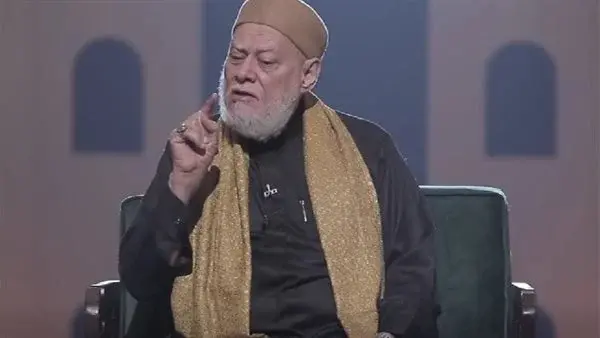
Cleanliness and personal appearance are not just habits but essential values in Islamic etiquette that reflect respect and اخلاق in social settings.

A deeper spiritual insight explains the difference between regular supplication and intimate prayer, revealing key principles that increase the chances of acceptance.

Religious guidance warns against using divorce words lightly, highlighting the serious consequences on family stability and spiritual responsibility.
