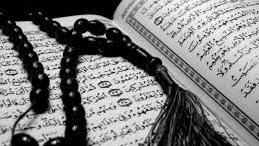

Tasbeeh, or glorifying Allah, is one of the most beloved acts of worship. It is not merely words on the tongue but a profound means of drawing closer to Allah, bringing peace to the heart and elevating ranks in the Hereafter.
Benefits of Tasbeeh:
Most beloved words to Allah: The Prophet ﷺ said: “The most beloved words to Allah are four: Subhan Allah, Alhamdulillah, La ilaha illallah, Allahu Akbar.”
Heavy in the scale: Though light on the tongue, it is heavy in the scale of deeds: “Two words light on the tongue, heavy in the scale, beloved to the Most Merciful: Subhan Allah wa biHamdihi, Subhan Allah al-Azeem.”
Increasing reward and Allah’s pleasure: Frequent Tasbeeh and blessings on the Prophet ﷺ multiply the reward and closeness to Allah.
Commitment to specific dhikr: Persisting in a form of Tasbeeh shows Allah’s love and opens doors of goodness.
Purifies the tongue and heart: It cleanses the tongue, soothes the heart, and raises the believer’s ranks.
Sign of Allah’s favor: Being inspired to remember Allah regularly is a sign of His pleasure.
Love for particular dhikr: As the companion who loved reciting Surah Al-Ikhlas in every prayer, the Prophet ﷺ said: “Your love for it will enter you into Paradise.”
Impact on a believer’s life:
Draws the believer closer to Allah and earns divine favor.
Provides psychological relief and reduces stress.
Protects from sins and increases good deeds.
Combines obedience and remembrance, instilling love for Allah in the heart.