What Is the Science of Existing Things? Khaled El-Gendy Explains the Difference Between Religious and Material Sciences
Learn about the concept of the science of existing things as explained by Khaled El-Gendy, its role in experimental sciences like physics and astronomy, and how it differs from religious sciences


Definition of the Science of Existing Things
Sheikh Khaled El-Gendy, a member of the Supreme Council for Islamic Affairs, explained that the science of existing things is one of the three main categories of knowledge. It is primarily based on research, experimentation, and analysis, dealing with everything that exists in the universe, including phenomena and living beings. He noted that this type of knowledge is built on hypotheses that are tested until accurate scientific conclusions are reached, making it the foundation of modern sciences.
The Nature of the Science of Existing Things
This field is characterized as an experimental science that relies on observation and testing rather than absolute acceptance, where human reasoning and analytical skills are used to understand various phenomena.

Reliance on Experimentation
It depends on practical experiments, where researchers test hypotheses to reach the truth.
Analysis and Deduction
The human mind is used to analyze results and connect them to form scientific laws that explain phenomena.
Continuous Development
This field is constantly evolving with new discoveries and advancements.
Examples of the Science of Existing Things
The science of existing things includes many physical sciences, such as:
Astronomy
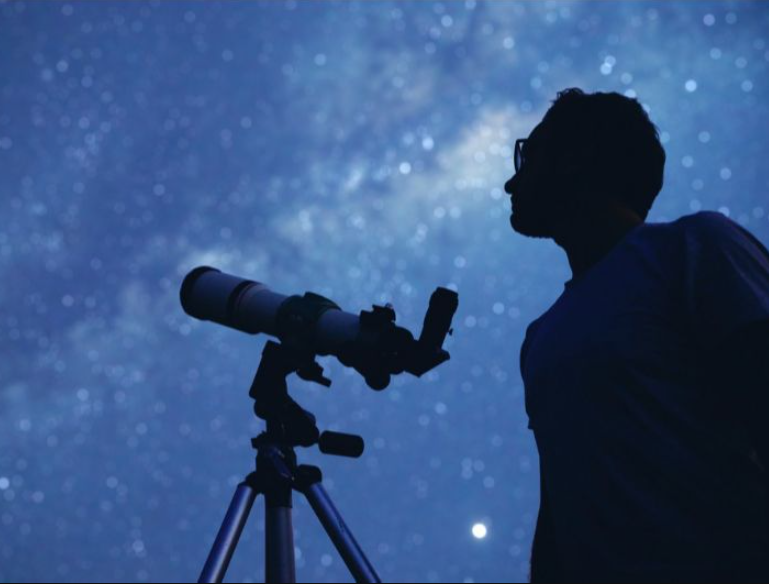
The study of stars, planets, and the universe.
Physics
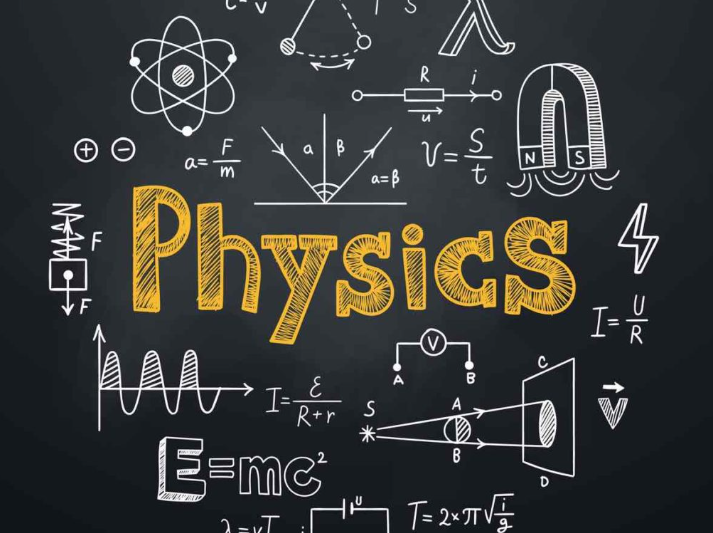
Understanding the laws governing matter and energy.
Natural Sciences

Such as chemistry and biology, which explore the natural world.
The Difference Between the Science of Existing Things and the Science of Worship
Khaled El-Gendy clarified that there is a fundamental difference between the two:
Science of Existing Things
Based on thinking, experimentation, and research to reach conclusions.
Science of Worship
Based on revelation and submission, and cannot be understood through pure reasoning alone.
The Concept of Following in Religion and Knowledge
He explained that following (obedience) in religion does not always require full understanding but is based on trust in divine wisdom, supported by Quranic verses that call for commitment and obedience. He added that a true believer submits first and then seeks understanding, while a foolish person refuses to act until everything is fully understood, reflecting different attitudes toward responsibility.
Conclusion
The science of existing things opens a vast door to understanding the universe through reason and experimentation, complementing other forms of knowledge that rely on revelation and faith, highlighting the balance between intellect and belief.
Frequently Asked Questions
What is the science of existing things?
It is the study of natural phenomena based on experimentation and analysis.
Does it rely on human reasoning?
Yes, it mainly depends on thinking, observation, and experimentation.
What is the difference between it and religious sciences?
It relies on research and testing, while religious sciences rely on revelation.
What are examples of this field?
Astronomy, physics, chemistry, and other natural sciences.

Discover the strongest dua for protecting children from harm, the evil eye, and envy, along with authentic supplications from the Sunnah.

Read the complete story of Prophet Lot (Lut), why his people were destroyed, how Allah saved His prophet, and the lessons Muslims can learn from this Quranic story.

Egypt's Grand Mufti Dr. Nazir Ayyad clarified the Islamic ruling on a wife's inheritance when her husband dies before consummation of the marriage.

Discover the best dua for sustenance and fulfilling needs after Fajr prayer, including authentic supplications for lawful provision, debt relief, and easing difficulties.
