Dr. Mahmoud Shebl Explains the Ruling on Preventing Children from Visiting the Family Home

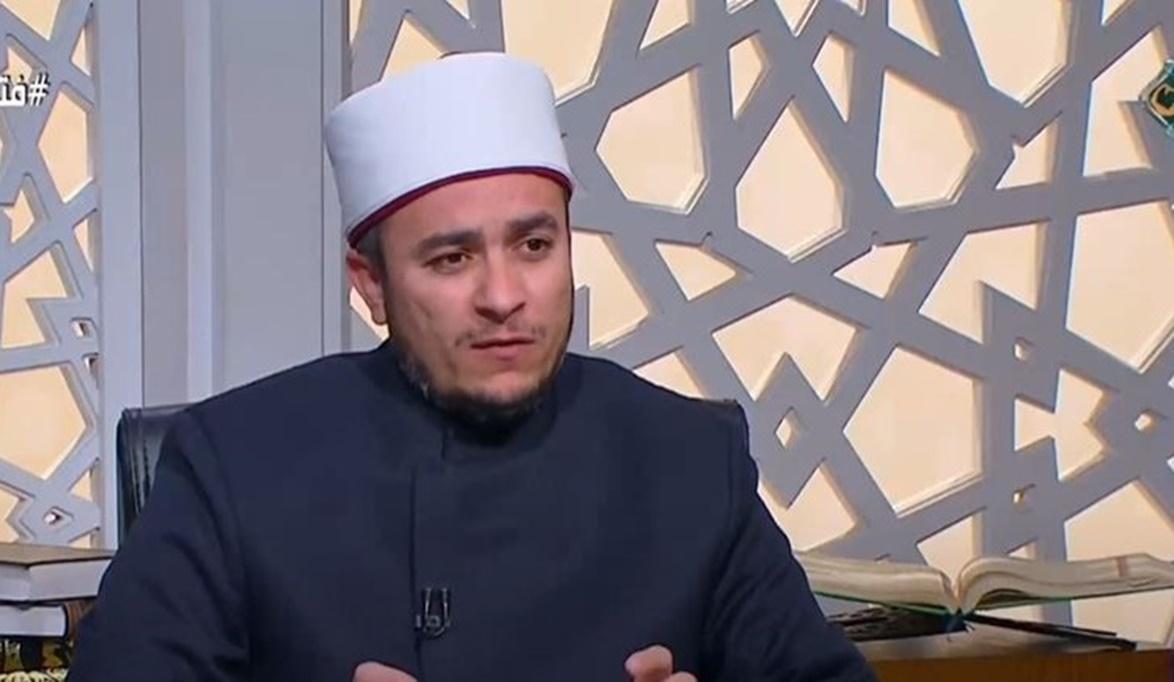
Dr. Mahmoud Shebl, Fatwa Secretary at Egypt’s Dar Al-Ifta, explained the ruling on preventing children from visiting their extended family home, stressing that complete prevention may affect family ties while visits can be organized when necessary.
  Sun , July 12 2026 / 09:53 PM Updated At: 2026-07-12 21:53:03

Is Preventing Children from Visiting Family Considered Wrong?

Dr. Mahmoud Shebl, Fatwa Secretary at Egypt’s Dar Al-Ifta, answered a question about the ruling on preventing children from going down to the family home out of concern for their safety or upbringing.

He explained that the issue requires a balanced approach that protects children while maintaining family relationships and kinship ties.

During his appearance on the program "Fatawa Al-Nas" broadcast on Al-Nas Channel, Dr. Shebl stated that completely preventing children from visiting relatives may lead to negative consequences if it results in cutting family ties.

Complete Prevention May Affect Family Relationships

Dr. Mahmoud Shebl emphasized that completely stopping children from visiting their extended family is not always the best solution, as children need healthy communication with relatives.

He pointed out that family members such as grandparents, uncles, and aunts are part of maintaining kinship ties, whether from the father’s or the children’s side, and therefore the matter should be handled wisely without reaching estrangement.

The Importance of Maintaining Children’s Relationship With Relatives

The Dar Al-Ifta official explained that completely preventing children from communicating with family members may create a misunderstanding about maintaining family ties.

He warned that children could grow up facing difficult choices between cutting off relatives or falling into disobedience toward parents, which should be avoided.

Parents have an important role in teaching children respect for relatives while establishing appropriate boundaries when needed.

Organizing Visits When Problems Exist

Dr. Mahmoud Shebl explained that if there are genuine concerns, such as children being exposed to inappropriate conversations or a lack of supervision, the solution is to organize visits rather than completely ban them.

He suggested:

  • Setting specific times for visits.
  • Reducing the duration of visits.
  • Supervising children during visits.
  • Establishing suitable rules to protect them.

He confirmed that this approach achieves a balance between protecting children and maintaining family ties.

Children Should Not Be Involved in Adult Conflicts

Dr. Shebl stressed the importance of not using children as a tool in family disputes between a wife and her husband’s relatives or between spouses and their respective families.

He explained that adult disagreements should remain within their own boundaries and children should not be burdened with these conflicts or forced to take sides.

The Impact of Family Conflicts on Children

Dr. Mahmoud Shebl noted that involving children in family disputes may cause psychological pressure and place them in difficult situations between conflicting parties.

He emphasized that the correct approach is to keep every problem within its proper context while respecting everyone’s rights and preventing disputes from expanding to include children.

Balancing Child Protection and Family Bonds

The Fatwa Secretary concluded by emphasizing that proper upbringing requires balance, meaning parents should protect their children while also avoiding cutting family relationships because of conflicts between adults.


Is preventing children from visiting family considered wrong?

Complete prevention may lead to cutting kinship ties, and the better approach is to organize visits while considering everyone’s interests.

What should parents do if there are problems at the family home?

They can set visiting times and establish appropriate rules instead of completely preventing visits.

Should children be involved in family disputes?

No, children should not be burdened with adult conflicts or used as parties in family disagreements.

Why are family ties important for children?

Maintaining family relationships helps children develop healthy social bonds and learn respect for relatives.

How can parents protect children while maintaining family relationships?

Through guidance, supervision, and setting appropriate boundaries without cutting communication with relatives.

Jul 12
أذكار المساء

Evening adhkar are among the most important daily practices for Muslims. They include Quranic verses and prophetic supplications recited to seek Allah’s protection, blessings, and tranquility at the end of the day.

Jul 12
دعاء الخروج من البيت وأفضل الأذكار النبوية للحفظ والوقاية

The supplication for leaving home is one of the prophetic prayers Muslims recite when going out. It includes: “In the name of Allah, I put my trust in Allah, and there is no power or strength except through Allah,” seeking protection and guidance from Allah.

Jul 12
دار الإفتاء المصرية

Dr. Zainab El Saeed, Secretary of Fatwa at Egypt’s Dar Al-Ifta, explained the Islamic ruling on Aqiqah, the number of animals recommended for boys and girls, and how the meat should be distributed among family members and those in need according to the Sunnah.

Jul 12
الدكتور محمود شلبي

Dr. Mahmoud Shalaby, Secretary of Fatwa at Egypt’s Dar Al-Ifta, explained the Islamic ruling on delaying prayer because of work, emphasizing that being busy with work is not a valid excuse for allowing a prayer's prescribed time to expire. He also clarified the exceptional cases in which combining prayers is permissible.