Major Islamic Fatwas on Washing the Deceased, Prayer, and Ashura Fasting
Learn key Islamic rulings on revealing details during washing the dead, making up prayers for the deceased, and combining expiation fasting with Ashura fasting


Major Islamic Fatwas and Rulings: Issues That Touch Every Muslim’s Life
The religious sphere continues to witness many jurisprudential questions related to acts of worship and the treatment of the deceased. Dar Al-Ifta in Egypt has issued clarifications on several important issues that frequently arise among Muslims and on social media platforms.
Ruling on Disclosing What Is Seen During Washing the Deceased
Dar Al-Ifta confirmed that washing the deceased is an act of worship based on trust, privacy, and concealment. It is not permissible to use it as a means of searching for faults or spreading them. The dignity of the deceased is equal to that of the living, and disclosing what is seen during washing is considered a breach of trust and a prohibited form of backbiting.
The Sanctity of the Deceased and Preservation of Dignity
The fatwa emphasized that honoring human beings in life and after death is a core principle of Islamic law. Any violation of the deceased’s privacy or sharing harmful details is a clear breach of Islamic ethics and teachings.
Ruling on Making Up Prayers for the Deceased and Paying Fidyah
Dar Al-Ifta explained that prayer is a physical act of worship that cannot be performed on behalf of another person. Therefore, it is not permissible to make up missed prayers for a deceased person or offer compensation (fidyah) for them.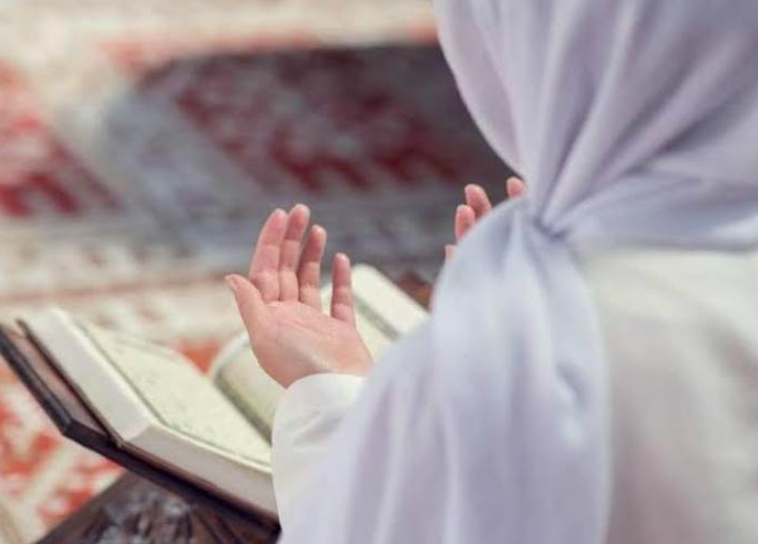
Prayer Cannot Be Replaced or Compensated
The ruling states that, according to the majority of scholars, prayers remain a personal obligation that cannot be delegated or compensated after death, unlike some other acts of worship such as Hajj.
Combining the Intention of Expiation Fasting and Ashura Fasting
Dar Al-Ifta clarified that it is permissible to combine the intention of fasting for an oath expiation with the intention of fasting on the day of Ashura. However, performing each act separately is more rewarding and preferred.
The Virtue of Fasting Ashura
Fasting on the day of Ashura is a confirmed Sunnah that expiates the sins of the previous year. The Prophet Muhammad (peace be upon him) observed this day in gratitude for the salvation of Prophet Moses (peace be upon him).
The Importance of These Rulings in a Muslim’s Life
These fatwas highlight the importance of adhering to Islamic teachings in worship and daily life, preserving human dignity, and understanding religious rulings within a balanced and accurate framework.
Is it allowed to disclose details during washing the deceased?
No, it is not allowed, as it violates the sanctity of the deceased and breaches trust and privacy.
Can prayers be made up for a deceased person?
No, prayers are personal acts of worship and cannot be performed on behalf of the dead.
Is it permissible to combine expiation fasting and Ashura fasting?
Yes, it is permissible, but performing each separately is better for full reward.
Is fasting on Ashura obligatory?
No, it is a confirmed Sunnah that expiates the sins of the previous year.

Discover the strongest dua for protecting children from harm, the evil eye, and envy, along with authentic supplications from the Sunnah.
Read the complete story of Prophet Lot (Lut), why his people were destroyed, how Allah saved His prophet, and the lessons Muslims can learn from this Quranic story.
Egypt's Grand Mufti Dr. Nazir Ayyad clarified the Islamic ruling on a wife's inheritance when her husband dies before consummation of the marriage.

Discover the best dua for sustenance and fulfilling needs after Fajr prayer, including authentic supplications for lawful provision, debt relief, and easing difficulties.
