Medical Guidance for Elderly Patients: How to Perform Prayer When Unable to Control Urine Leakage

Dar Al-Ifta clarified the Islamic ruling on how patients suffering from involuntary urine leakage can properly perform الصلاة, emphasizing ease and removal of hardship in Islamic law.

  Thu , April 16 2026 / 02:57 PM Updated At: 2026-04-16 14:57:38

حكم صلاة المريض غير المتحكم في البول وفتوى دار الإفتاء المصرية

Purification is a fundamental requirement for the validity of prayer in Islam. However, Islamic law provides special rulings for individuals facing continuous medical conditions beyond their control, including involuntary urine leakage.

Ruling for Continuous Excuse Cases

Dar Al-Ifta explained that a person in this condition is classified as a “legally excused individual,” who should first perform cleansing, take precautions to prevent impurity from reaching clothing, and then perform ablution for prayer.

How to Perform Prayer

The patient may perform one obligatory prayer and any number of voluntary prayers with the same ablution. Any leakage during the prayer does not affect its validity as long as the condition persists, while ablution must be renewed for each obligatory prayer.

Ease in Islamic Law

Islam is built on facilitation and the removal of hardship, taking into account human capacity and health conditions, as stated in the Quran: “Allah intends for you ease and does not intend for you hardship.”

Final Ruling

The patient is required to perform ablution for each prayer, and the prayer remains valid and accepted by Allah, as exemptions in Islamic law are meant to ease obligations, not remove them.

For more details and latest updates, follow Egypt Connect

Apr 16
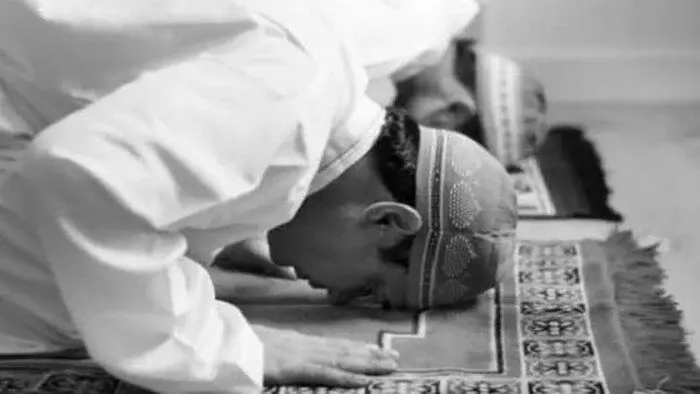
تحذير من التشويش على المصلي وحرمة إفساد خشوع الصلاة

Islamic authorities warn against any behavior that distracts or disturbs a person during prayer, emphasizing the sacredness of salah and the severe sin of disrupting its spiritual focus.
Apr 16
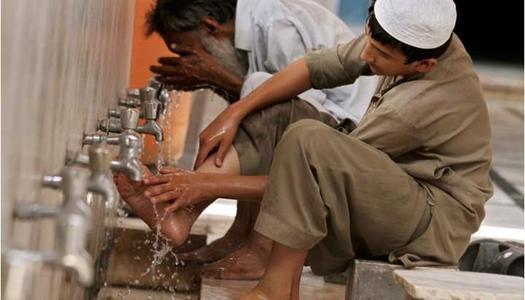
حكم أداء الصلوات الخمس بوضوء واحد وفضل تجديد الوضوء

Many wonder whether one ablution is sufficient for all five daily prayers. Islamic scholars clarify the ruling, highlighting both permissibility and the prophetic preference for renewing wudu.
Apr 16
أذكار الصباح والمساء وحكم الخشوع والتدبر أثناء الذكر

Many people wonder whether mindfulness and deep reflection are required when reciting morning and evening adhkar, or if verbal repetition alone is sufficient. Islamic rulings clarify the balance between heart and tongue.

Apr 16
تحذير من علامات انغلاق أبواب الخير وغياب الطمأنينة في العبادة

A deep spiritual reflection highlights how losing inner peace in prayer, Quran, and supplication may signal a warning sign that requires self-reflection, repentance, and a renewed connection with faith.
