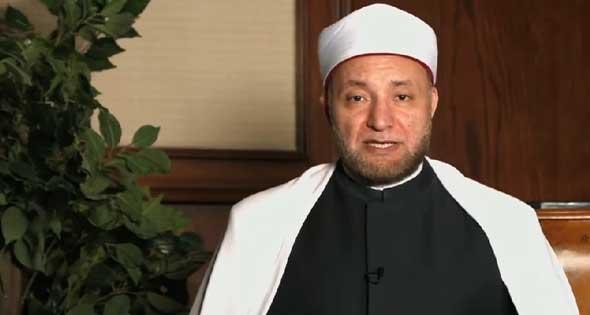

How can couples preparing for marriage determine whether they are truly compatible? Sheikh Oweida Osman, a member of the Egyptian Dar al-Ifta Fatwa Committee, emphasized that the engagement period is an important opportunity for both sides to understand each other’s personality, thinking, and behavior.
He explained that a successful marriage does not begin only after the marriage contract. Its foundations are built during the engagement period, when both individuals can develop a realistic understanding of one another.
The Importance of Honesty During Engagement
Sheikh Oweida Osman stressed that engagement gives both individuals an opportunity to assess their compatibility and determine whether their relationship is based on affection, understanding, and harmony.
He emphasized the importance of honesty and transparency, warning that concealing important characteristics or presenting an unrealistic image can lead to serious problems after marriage.
A marriage decision should therefore be based on genuine knowledge of both individuals rather than a temporary image presented during courtship.
Avoiding a False Image
The fatwa official advised people not to deliberately present a personality that differs from their true character during engagement.
He gave the example of someone who is naturally stingy but tries to appear generous in front of his fiancée. Maintaining such behavior after marriage may become an expectation that the other person reasonably relies upon.
Likewise, someone with poor manners should not pretend to have excellent character merely to gain acceptance during engagement. Good manners should be a lasting quality rather than a temporary strategy.
What Is the Main Purpose of Engagement?
The primary purpose of engagement is to allow both individuals to become more familiar with each other and determine whether their personalities, values, and ways of thinking are compatible.
This stage can help both sides make a more informed decision about whether to proceed toward marriage.
Concealing important shortcomings or pretending to possess qualities that do not exist may cause one person to make a marriage decision based on an unrealistic image. Such differences can become more apparent after marriage and may affect family stability.
Good Character Should Continue After Marriage
Oweida Osman emphasized that good character should not be limited to the engagement period.
If someone has negative habits that they conceal during engagement while consistently displaying good manners to their future spouse, they should strive to make those positive qualities permanent.
Marriage requires honesty, respect, good treatment, patience, and continued effort to preserve affection and stability.
Is Reading Al-Fatiha During Engagement Islamically Established?
In another context, Dr. Ahmed Al-Awady, a member of the Egyptian Dar al-Ifta Fatwa Committee, discussed the practice of reading Surah Al-Fatiha during certain occasions, including engagements, marriages, and some business transactions.
He explained that reading Al-Fatiha during such occasions has become a common Egyptian custom and that some scholars have found grounds for seeking blessing and goodness through Quran recitation and supplication.
He also referred to Al-Fatiha as “the seven oft-repeated verses,” citing Allah’s statement:
“And We have certainly given you seven of the oft-repeated verses and the Great Quran.”
Reading Al-Fatiha and Seeking Blessing
According to the explanation provided, people have traditionally recited Al-Fatiha on various occasions, including some marriage-related gatherings, transactions, and visits to graves.
In general, reciting the Quran and supplicating to Allah for goodness and mercy are acts of worship. However, it is important to distinguish between reciting Al-Fatiha as a form of blessing or supplication and considering the recitation itself to establish a legally binding contract.
Does Reading Al-Fatiha Complete a Marriage Contract?
Reading Surah Al-Fatiha by itself does not replace the pillars and conditions of an Islamic marriage contract and does not turn an engagement into a marriage.
Engagement is a preparatory stage, while the marriage contract has its own requirements and legal conditions that must be fulfilled for the marriage to be valid.
Therefore, reading Al-Fatiha during an engagement should not be treated as a substitute for the marriage contract or the religious and legal procedures required to complete it.
Key Advice for Couples Preparing for Marriage
The main advice can be summarized as follows:
- Be honest and transparent during engagement.
- Do not conceal characteristics that could affect the marriage decision.
- Avoid pretending to have a personality different from your true character.
- Assess intellectual, moral, and personal compatibility.
- Make good character a permanent quality.
- Understand that reading Al-Fatiha does not replace the marriage contract.
- Base the marriage decision on genuine knowledge rather than temporary impressions.
Why is the engagement period important?
It gives both individuals an opportunity to understand each other’s personalities, values, behavior, and level of compatibility before marriage.
What did Sheikh Oweida Osman say about honesty during engagement?
He emphasized that both sides should be honest and should not hide important characteristics or deliberately present a false image.
Does reading Al-Fatiha during engagement mean the couple is married?
No. Reading Al-Fatiha alone does not establish a marriage contract or replace its religious and legal requirements.
What is the ruling on reading Al-Fatiha on special occasions?
Dr. Ahmed Al-Awady explained that reciting Al-Fatiha on some occasions is a customary practice, and some scholars have found grounds for reciting Quran and seeking blessing, but it should not be treated as a substitute for a valid contract.
How can couples make a better marriage decision?
They should focus on honest communication, genuine understanding, character, values, and compatibility rather than temporary appearances or exaggerated impressions.