Performing Hajj for Deceased Parents: Who Comes First and What Are the Rules?
Questions continue to rise about performing Hajj on behalf of deceased parents, especially if they were capable but did not perform it during their lifetime.
Honoring parents does not end with their passing. One of the greatest acts of devotion is performing Hajj on their behalf, raising important questions about its ruling and proper method.
Ruling on Hajj for Deceased Parents
Scholarly guidance confirms that performing Hajj for deceased parents is permissible, even if they had the ability but did not fulfill the obligation during their lifetime.
Conditions for Valid Representation
For Hajj on behalf of another person to be valid, the intention must clearly be made for the deceased, and the person performing it must cover all expenses personally, including travel and accommodation.
Can Both Parents Be Included in One Hajj?
It has been clarified that one individual cannot perform Hajj for two people in the same year. Each parent requires a separate pilgrimage.
Best Ways to Perform Hajj for Parents
There are two main approaches:
First, performing Hajj personally for each parent in two separate years.
Second, performing Hajj for one parent while appointing another person to perform it for the other in the same year.
Who Should Come First: Father or Mother?
If choosing to perform Hajj over two years, it is recommended to begin with the mother, due to her greater right in care and compassion emphasized in religious teachings.
The Meaning of Filial Devotion
Performing Hajj for parents reflects deep gratitude and ongoing connection, showing that devotion continues even after death.
For more details and latest updates, follow Masr Connect
On the Gregorian anniversary of the Prophet’s birth, many hearts long to see him in dreams, and certain spiritual practices are often mentioned to strengthen this hope.

Sheikh Muhammad Metwally Al-Sharawi warned against a common practice some people do while reading the Qur’an, emphasizing the importance of respecting its sanctity.
On the fifth day of Dhul-Qa’dah, believers turn to short yet powerful supplications seeking mercy, relief, and swift response from God.
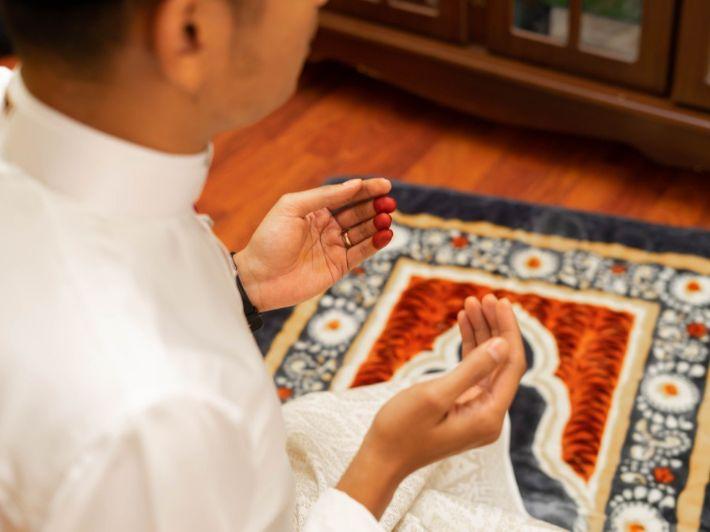
When work or fatigue prevents night prayer, Islam offers simple yet powerful alternatives that bring great reward and spiritual closeness to God.
