Praying in the Wrong Qibla Direction After Moving Home.. Full Religious Ruling Explained
Egypt’s Dar Al-Ifta clarifies the ruling on prayers performed in the wrong Qibla direction after moving to a new home and when they are valid or must be repeated.
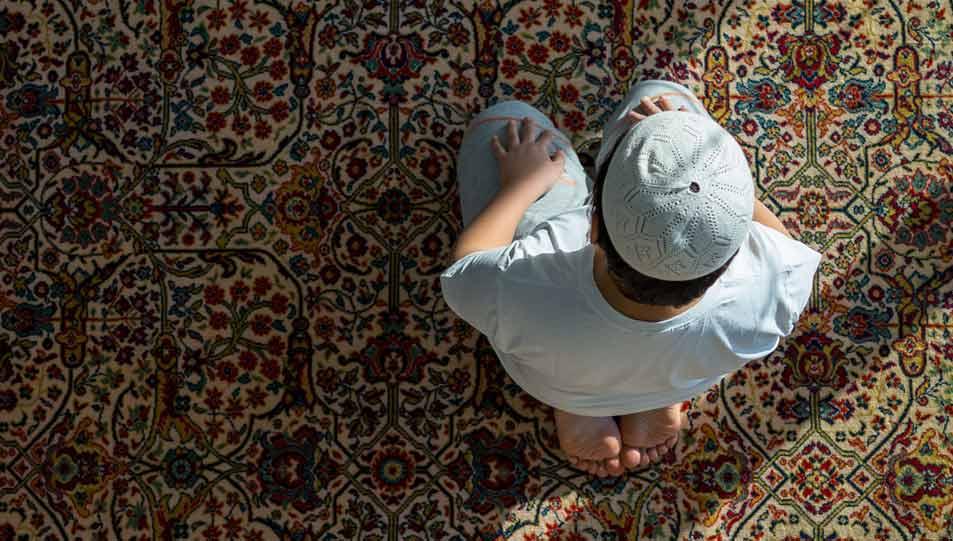
Many people may struggle to determine the correct Qibla after moving into a new residence, raising questions about the validity of prayers performed during that period.
Minor Deviation from Qibla
A slight deviation from the Qibla does not invalidate the prayer, as long as part of the face is still oriented toward the Kaaba, with an acceptable margin of around 45 degrees.
When Is the Prayer Invalid?
If a person prays in a completely wrong direction without attempting to determine the Qibla, the prayer is considered invalid and must be repeated.
If One Tried but Was Mistaken
If the person made an effort to determine the correct direction but still made a mistake, many scholars recommend repeating the prayer as a precaution, while others do not require it.
Long Periods of Wrong Direction
In cases where the mistake lasted for a long time, some juristic opinions allow following schools that do not require repetition, especially when repetition causes hardship, while ensuring correct direction going forward.
Forgetfulness or Lack of Knowledge
Different rulings apply depending on awareness and effort, but facing the Qibla remains a fundamental condition for valid prayer.
Deliberate Wrong Direction
Deliberately praying away from the Qibla invalidates the prayer and is considered a serious violation of one of Islam’s essential conditions.
Conclusion
The ruling depends on intention and effort—minor mistakes are excused, while negligence or intentional deviation invalidates the prayer.
For more details and latest updates, follow Misr Connect

Al Ahly prepares for a crucial derby against Zamalek with expected lineup changes, including the return of El Shenawy and tactical adjustments.

Repentance from drug addiction is always possible, but it requires sincerity, remorse, and avoiding despair that may block divine forgiveness.
Cleanliness and personal appearance are not just habits but essential values in Islamic etiquette that reflect respect and اخلاق in social settings.

A deeper spiritual insight explains the difference between regular supplication and intimate prayer, revealing key principles that increase the chances of acceptance.
