Ruling on Eating or Drinking Forgetfully While Fasting and the Virtue of the White Days in Islam
Learn the ruling on eating or drinking forgetfully while fasting, whether it invalidates the fast or not, along with the great virtue of fasting the White Days and their reward in Islam.
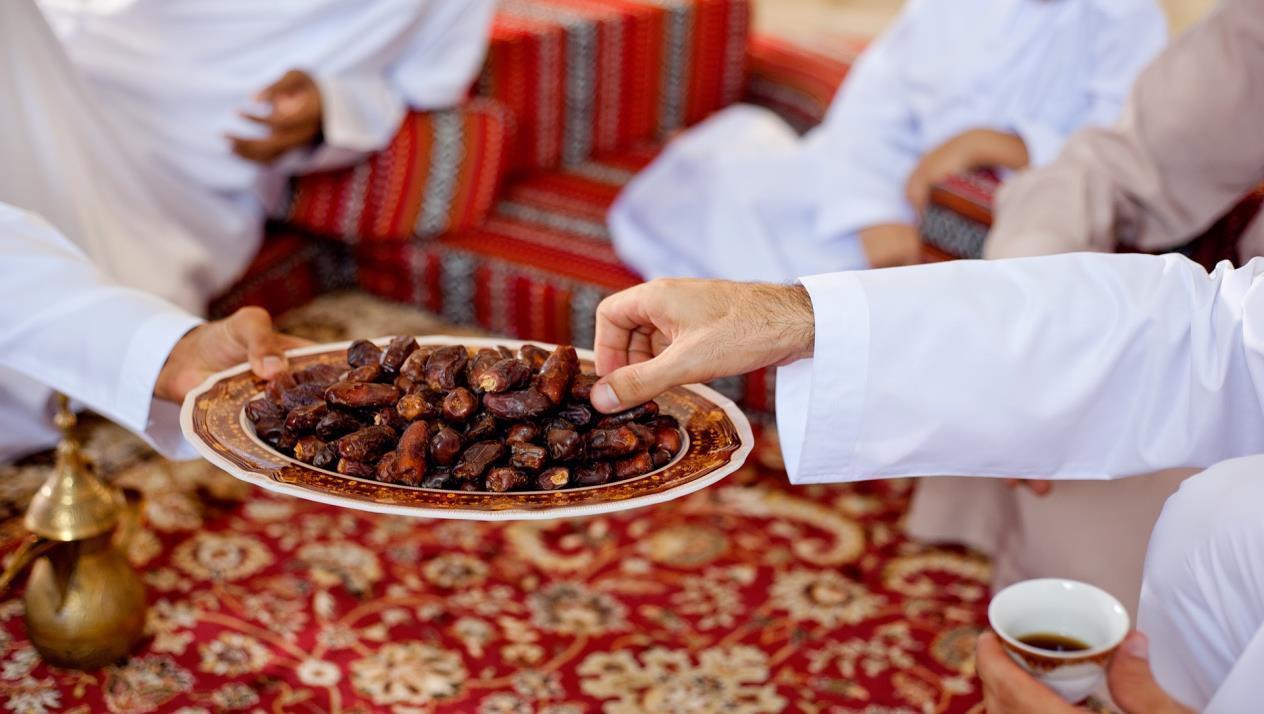

Ruling on Eating or Drinking Forgetfully While Fasting and the Virtue of the White Days
Ruling on Eating or Drinking Forgetfully While Fasting
When forgetfulness overtakes a fasting person and they eat or drink unintentionally, Islamic law comes with mercy and reassurance, not burdening the soul beyond its capacity.
Whoever eats or drinks forgetfully while fasting, their fast remains valid and is not broken, and they are not required to make it up, whether the fast is obligatory or voluntary.
This is because forgetfulness does not incur accountability, as the person did not intend the action.
What Should the Fasting Person Do If They Remember While Eating?
If the fasting person remembers that they are fasting while eating or drinking, they must stop immediately and continue their fast until sunset.
Whatever was eaten or drunk out of forgetfulness does not affect the validity of the fast.
The Islamic Basis for Not Invalidating the Fast Due to Forgetfulness
Islamic texts confirm that mistakes and forgetfulness are forgiven for the Muslim community, and actions done unintentionally do not invalidate acts of worship.
Whoever eats or drinks forgetfully is granted provision from Allah without intention, so their reward is not reduced and their fast is not broken.
Ruling on Forgetful Eating in All Types of Fasting
The ruling is the same for all forms of fasting:
- Ramadan fasting
- Make-up (Qada) fasting
- Vow (Nadhr) fasting
- Expiation (Kaffarah) fasting
- Voluntary fasting
In all cases, fasting is not invalidated by eating or drinking forgetfully, as long as it is unintentional.
The Virtue of Fasting the White Days
The White Days are the 13th, 14th, and 15th of every Hijri month. They are blessed days with great spiritual merit.
The Prophet Muhammad ﷺ encouraged fasting three days every month, and the White Days are among the most recommended due to their great reward and spiritual benefit.
The Wisdom Behind Fasting the White Days
Fasting these days trains the soul for consistency in worship and keeps the believer connected to obedience throughout the year.
If a person cannot fast them at their exact time, they may fast any three days of the month and still receive the reward of the Sunnah.
Making the Most of the White Days in Worship
When the White Days coincide with other virtuous times, they become a great opportunity to increase good deeds such as fasting, remembrance of Allah, and recitation of the Quran, making use of time in righteous actions.

Learn about the best ways to protect children from harm through Islamic spiritual protection, Prophetic supplications, and daily remembrances that help provide protection by the permission of Allah.

Learn how to perform Salat al-Istikhara, its authentic supplication, and the Islamic ruling on interpreting dreams related to important life decisions.
Learn about the Islamic ruling on women praying in a country without a mosque, whether praying at home is sufficient, and whether women can establish congregational prayer at home.
Learn about the concept of an answered dua, the reasons behind accepting supplications, and powerful prayers from the Quran and Sunnah for relief, رزق, and fulfilling needs.
