Salat Al-Awwabin: Timing, Number of Rak'ahs and Its Virtues
Learn about Salat Al-Awwabin, its connection to Duha prayer, its timing, number of Rak'ahs, virtues, and the voluntary prayer performed between Maghrib and Isha.
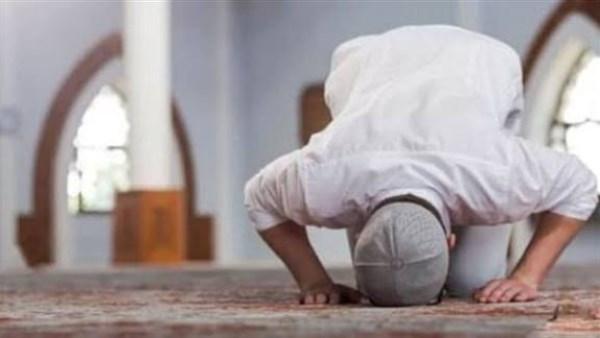
Salat Al-Awwabin: Timing, Number of Rak'ahs and Its Virtues
Salat Al-Awwabin is one of the voluntary prayers through which Muslims seek closeness to Allah. The name is commonly associated with Duha prayer, while some scholars also use it to describe voluntary prayers performed between Maghrib and Isha.
Many Muslims ask about the timing of Salat Al-Awwabin, how many Rak'ahs it has, how it is performed, and whether the term refers specifically to Duha prayer or to voluntary prayer between Maghrib and Isha.
What Is Salat Al-Awwabin?
Salat Al-Awwabin refers to a voluntary prayer through which a Muslim seeks closeness to Allah.
The term is commonly used for Duha prayer, which is a highly recommended voluntary prayer. The Prophet Muhammad, peace and blessings be upon him, encouraged its performance.
Some scholars also use the term Salat Al-Awwabin for voluntary prayer performed between Maghrib and Isha. Therefore, the intended meaning can depend on the scholarly context.
When Does Duha Prayer Begin?
The time for Duha prayer begins after sunrise, once the sun has risen sufficiently above the horizon. This is approximately 20 minutes after sunrise.
Its time continues until shortly before the beginning of Dhuhr prayer.
This gives Muslims an extended period during which they can perform Duha prayer according to their circumstances and daily responsibilities.
What Is the Best Time for Duha Prayer?
The later part of Duha time is considered particularly virtuous.
The Prophet Muhammad, peace and blessings be upon him, said:
“The prayer of the penitent is when the young camels feel the heat of the sun.”
This refers to the time when the sun becomes hotter, indicating the virtue of performing Duha prayer later in its permissible time.
How Many Rak'ahs Are in Duha Prayer?
The minimum number of Rak'ahs for Duha prayer is two Rak'ahs.
A Muslim may perform additional Rak'ahs according to their ability and circumstances.
Duha prayer may be performed as:
- Two Rak'ahs.
- Four Rak'ahs.
- Six Rak'ahs.
- Eight Rak'ahs.
It may be performed two Rak'ahs at a time, with Tashahhud and Salam after each pair.
The voluntary nature of the prayer allows Muslims to perform what they are able to maintain without neglecting obligatory prayers or other responsibilities.
What Are the Virtues of Salat Al-Awwabin?
Duha prayer has significant virtues. One of its most notable virtues is that two Rak'ahs of Duha can suffice for the daily charity owed by the joints of the human body.
The Prophet Muhammad, peace and blessings be upon him, said:
“Each morning, charity is due from every joint of one of you...”
He then explained that:
“Two Rak'ahs which he prays in the forenoon suffice for that.”
The hadith was narrated by Muslim.
This highlights the great virtue of Duha prayer and its connection to daily gratitude and charity.
Is Salat Al-Awwabin the Same as Duha Prayer?
Yes, the term Salat Al-Awwabin has been used for Duha prayer.
The Prophet Muhammad, peace and blessings be upon him, described Duha prayer as the prayer of those who frequently return to Allah.
The word Awwabin refers to people who frequently return to Allah through obedience, repentance, and worship.
For this reason, the name reflects the spiritual meaning associated with Duha prayer.
Is Salat Al-Awwabin Performed Between Maghrib and Isha?
Some scholars also use the name Salat Al-Awwabin for voluntary prayer performed between Maghrib and Isha.
This period is also sometimes described as a time of heedlessness because people may become occupied with food, family matters, rest, or other daily activities.
Performing voluntary prayers during this period is therefore considered a form of worship and devotion.
How Many Rak'ahs Can Be Prayed Between Maghrib and Isha?
A Muslim may perform as many voluntary Rak'ahs as they are able to pray during this period.
This may include two, four, six, or more Rak'ahs according to one's ability and available time.
Voluntary prayers are generally performed two Rak'ahs at a time, while maintaining the obligatory prayers as the highest priority.
Is Salat Al-Awwabin Six Rak'ahs?
Some scholarly discussions refer to six Rak'ahs between Maghrib and Isha as Salat Al-Awwabin.
However, the term should not be restricted exclusively to six Rak'ahs because it has also been authentically associated with Duha prayer, and scholars have differed regarding the number of voluntary prayers between Maghrib and Isha.
Therefore, Muslims may perform whatever voluntary prayer they are able to maintain without believing that one specific number is mandatory.
Is Salat Al-Awwabin Twelve Rak'ahs With a House in Paradise?
There are reports concerning the virtue of performing voluntary prayers between Maghrib and Isha, including reports mentioning specific numbers of Rak'ahs and the reward of a house in Paradise.
However, the authenticity and attribution of particular reports should be carefully established before presenting a specific number and reward as definitively established from the Prophet.
The general principle remains that voluntary prayer between Maghrib and Isha is permissible and virtuous, while Muslims should avoid attributing a specific reward to a particular number without reliable evidence.
Is Duha Prayer a Confirmed Sunnah?
Duha prayer is among the voluntary prayers strongly encouraged in Islamic tradition.
A Muslim can perform it according to their ability and schedule, beginning with two Rak'ahs and increasing the number if desired.
The key is to maintain voluntary worship without allowing it to interfere with obligatory prayers or essential responsibilities.
Can Voluntary Worship Interfere With Work?
A Muslim should maintain a balance between worship and worldly responsibilities.
Fulfilling one's duties, working honestly, and caring for family and other responsibilities can all be rewarded when done with a good intention and within Islamic guidelines.
Voluntary worship is among the best ways to use one's free time, provided that it does not lead to neglecting obligatory duties.
Conclusion
Salat Al-Awwabin is a name associated with Duha prayer, a voluntary prayer performed after sunrise and before Dhuhr.
Some scholars also use the term for voluntary prayer between Maghrib and Isha. Therefore, the exact meaning depends on the context in which the term is used.
Duha prayer begins with at least two Rak'ahs and may be increased according to one's ability. Voluntary prayer between Maghrib and Isha is also permissible, and Muslims may perform as much as they reasonably can.
The most important principle is to maintain the obligatory prayers and responsibilities while benefiting from the spiritual rewards of voluntary worship.
What is Salat Al-Awwabin?
Salat Al-Awwabin is a name used for Duha prayer, and some scholars also use it for voluntary prayer between Maghrib and Isha.
When does Duha prayer begin?
It begins after sunrise once the sun has risen sufficiently, approximately 20 minutes after sunrise, and continues until shortly before Dhuhr.
How many Rak'ahs are in Duha prayer?
The minimum is two Rak'ahs, and additional Rak'ahs may be performed according to one's ability.
Is Salat Al-Awwabin the prayer between Maghrib and Isha?
Some scholars use this name for voluntary prayer during that period, while the Prophet's description of the prayer of the Awwabin refers to Duha prayer.
What is the virtue of Duha prayer?
Two Rak'ahs of Duha suffice for the daily charity owed by the joints of the body, as mentioned in an authentic hadith narrated by Muslim.

Learn the authentic dua for leaving home as reported from Prophet Muhammad ﷺ, including its meanings of reliance upon Allah, guidance, protection, and safety from wrongdoing.

Learn about authentic supplications for seeking provision, repaying debts, and protection from poverty, along with the deeds that bring blessings to wealth and livelihood.
Many people search for the supplication that is never rejected. Islamic teachings identify people, circumstances, and times when supplication is especially likely to be answered
Sheikh Mohamed Abu Bakr responded to comments about performing Umrah with borrowed money, stressing that acceptance of worship is determined by Allah and that charitable support is a form of righteousness
