Silent killer in old age: warning signs of cardiac arrest you should never ignore
Cardiac arrest is a life-threatening emergency, especially in older adults. Early recognition and quick response can save lives.

Cardiac arrest is one of the most dangerous medical emergencies, particularly among older adults. It occurs due to a sudden electrical malfunction in the heart, causing it to stop beating and cutting off blood flow to the brain and vital organs.
Unlike a heart attack, which is caused by blocked arteries, cardiac arrest is primarily an electrical issue, making it more sudden and deadly. Immediate intervention, such as CPR and defibrillation, is essential to restore heart function and save the patient.
The risk increases with age due to chronic conditions like heart disease, high blood pressure, diabetes, weakened heart muscles, and irregular heart rhythms. Additionally, the body's ability to recover declines significantly in advanced age.
Although cardiac arrest often strikes without warning, some early signs may appear, including:
- Sudden collapse
- Loss of consciousness
- No pulse or breathing
- Chest pain or palpitations
- Shortness of breath
- Severe fatigue or dizziness
Medical experts stress that immediate response is critical. Calling emergency services and starting CPR right away can dramatically improve survival chances.
It is also important to distinguish between cardiac arrest and a heart attack. While a heart attack involves blocked blood flow, cardiac arrest is an electrical failure. However, a heart attack can sometimes trigger cardiac arrest.
To reduce the risk, older adults are advised to:
- Schedule regular heart check-ups
- Manage blood pressure, sugar, and cholesterol levels
- Stay physically active within their limits
- Follow a heart-healthy diet
- Avoid smoking
Ultimately, prevention and early detection remain the most effective ways to protect heart health and avoid sudden life-threatening events.
For more details and latest news, follow Masr Connect

Repentance from drug addiction is always possible, but it requires sincerity, remorse, and avoiding despair that may block divine forgiveness.

Cleanliness and personal appearance are not just habits but essential values in Islamic etiquette that reflect respect and اخلاق in social settings.

A deeper spiritual insight explains the difference between regular supplication and intimate prayer, revealing key principles that increase the chances of acceptance.
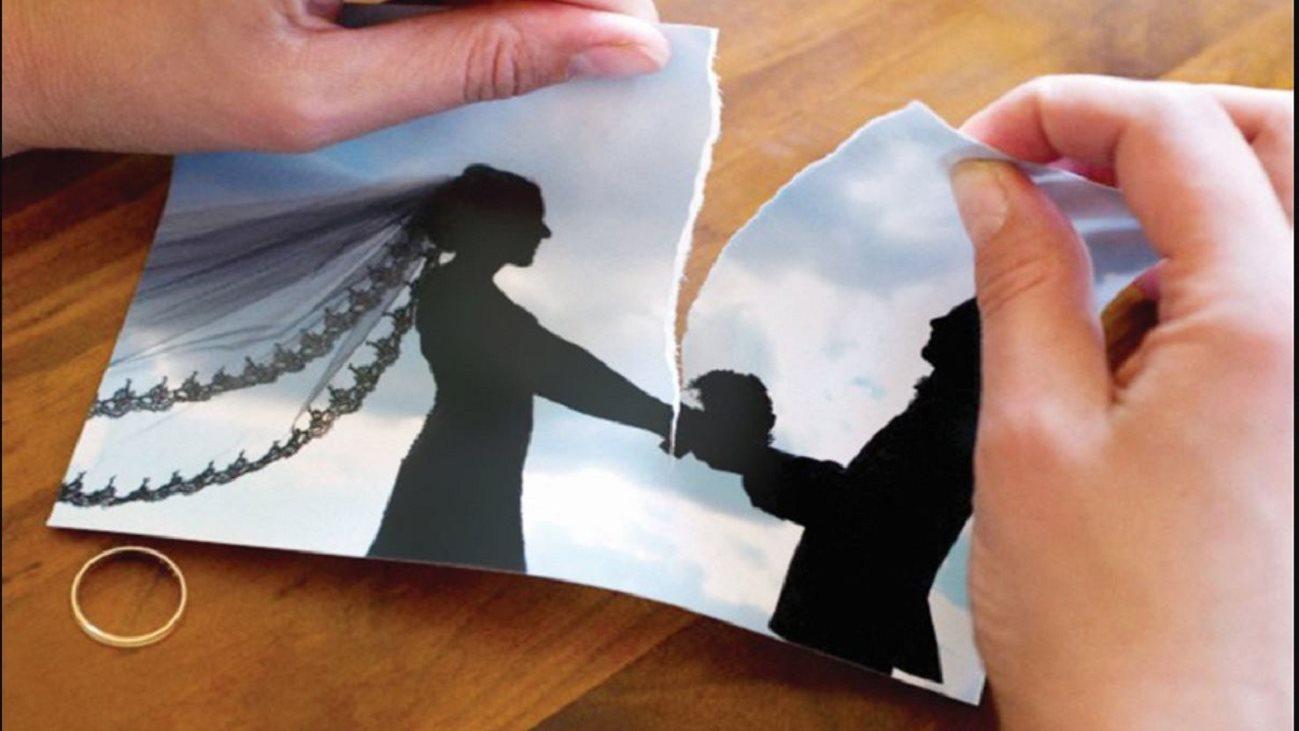
Religious guidance warns against using divorce words lightly, highlighting the serious consequences on family stability and spiritual responsibility.
