The Story of Seth and His Succession to Enosh After Adam
Explore the traditional accounts about Seth, his role after Adam’s death, the scriptures attributed to him, his reported stay in Makkah, and the lineage leading to Idris.
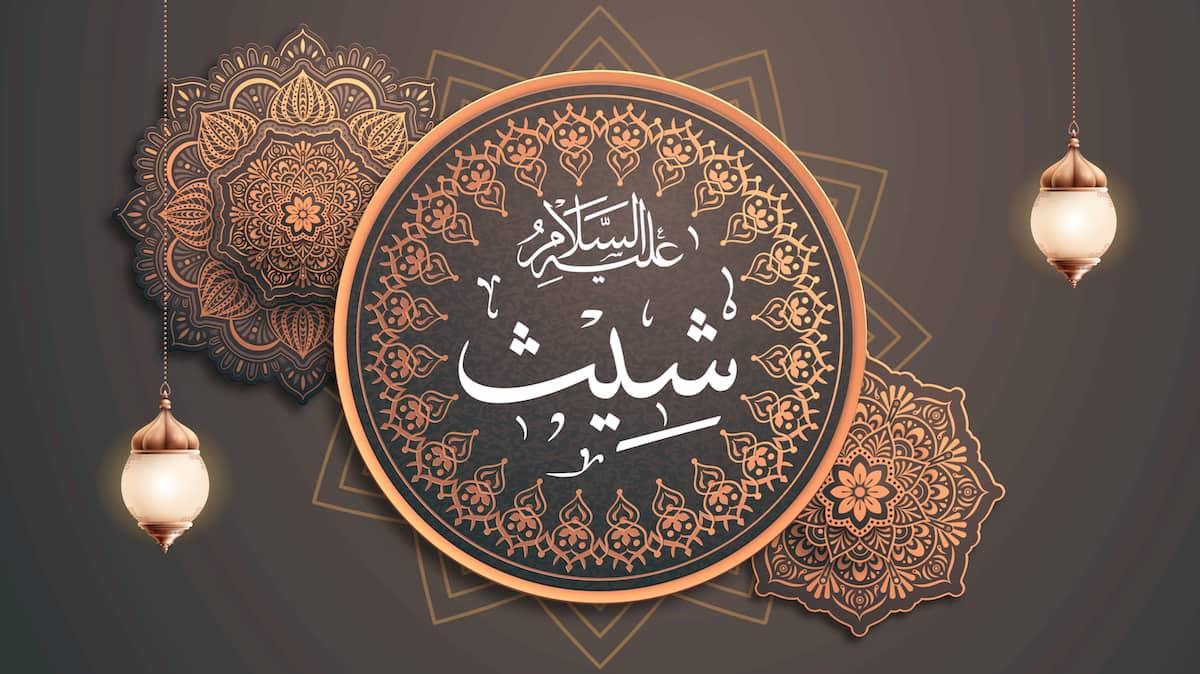
Seth is mentioned in traditional Islamic historical accounts as one of Adam's sons and as the person entrusted with responsibility for Adam's descendants after his death.
Various historical reports describe his life, worship, the scriptures attributed to him, his reported residence in Makkah, and his succession by his son Enosh.
Seth After the Death of Adam
Traditional reports state that Seth assumed responsibility for Adam's descendants after his father's death.
Some accounts describe him as Adam's successor and guardian of the teachings that had been passed down to him.
It is also reported that Seth gathered the scriptures given to him and those previously given to Adam and acted according to their teachings.
Some accounts further state that Seth remained in Makkah and performed Hajj and Umrah throughout his life.
Did Seth Build the Kaaba?
Some historical reports state that Seth built the Kaaba using stones and clay.
However, this information belongs to historical narratives in which different reports have been transmitted. It should therefore be distinguished from matters established through definitive evidence.
Some accounts also mention that the structure or sacred covering associated with Adam remained until the time of the Flood and was then raised by Allah.
The Scriptures of Seth
Traditional reports state that Allah gave Seth scriptures and that he acted according to their teachings.
Some accounts also describe him as gathering the scriptures given to both himself and Adam.
Reports differ concerning the number of scriptures attributed to Seth, so specific numerical details should not be stated with certainty unless supported by reliable evidence.
The Death of Seth
According to traditional reports, when Seth became ill, he entrusted responsibility to his son Enosh before his death.
There are differing reports concerning Seth's age and burial place.
One account states that he was buried with his parents in the cave of Abu Qubays, although the precise location of his grave is not established with definitive evidence.
Who Was Enosh, the Son of Seth?
Enosh, the son of Seth, is reported to have succeeded his father and assumed responsibility for those under his care.
Traditional accounts describe him as continuing the role of leadership and guidance established by Seth.
Some historical reports also give a lifespan of approximately 905 years for Enosh, although such chronological details vary among historical traditions.
The Lineage From Seth to Idris
Traditional genealogical accounts present the following sequence:
Seth → Enosh → Kenan → Mahalalel → Jared → Enoch (Idris).
According to these accounts, Idris عليه السلام came after these generations and was one of Allah's prophets.
Kenan, Son of Enosh
Reports state that Enosh had a son named Kenan, to whom responsibility was later passed.
Various accounts provide details about the ages and births of these early generations, but the figures differ among historical sources.
Mahalalel, Son of Kenan
Mahalalel is traditionally placed after Kenan in the genealogy.
Some historical narratives attribute various achievements to him, including the construction of cities and fortifications and conflicts with rebellious beings.
These details are part of historical reports and should not automatically be treated as established facts.
Jared, Son of Mahalalel
According to the traditional genealogy, Jared came after Mahalalel and inherited responsibility from him.
Some accounts associate his era with the beginning of various events while maintaining the genealogical sequence leading to Idris.
Enoch: Idris عليه السلام
Jared's son Enoch, commonly identified with Prophet Idris عليه السلام, is an important figure in Islamic tradition.
The Quran mentions Idris with praise:
“And mention in the Book, Idris. Indeed, he was a man of truth and a prophet. And We raised him to a high station.”
Traditional genealogical accounts place him after Seth, Enosh, Kenan, Mahalalel, and Jared.
What Came After Idris?
Traditional accounts state that Idris had a son named Methuselah, and that responsibility was subsequently passed through his descendants.
Historical and genealogical works continue this lineage through numerous generations.
However, details concerning ages, dates, and specific events vary considerably between reports, so they should be presented as historical traditions rather than definitive facts.
Key Facts Reported About Seth
The traditional accounts about Seth include several points:
- He was Adam's successor among his descendants.
- He is described in some reports as a prophet.
- Scriptures are reported to have been given to him.
- Some accounts state that he lived in Makkah and performed Hajj and Umrah.
- Some historical reports attribute the building of the Kaaba to him.
- He entrusted responsibility to his son Enosh before his death.
- His descendants are traditionally traced through several generations to Idris عليه السلام.
These details come from varying historical reports, so a distinction should always be made between established teachings and accounts transmitted in historical and narrative works.
Who was Seth?
Seth was one of Adam's sons and is described in traditional reports as Adam's successor and, in some narrations, as a prophet.
What did Seth do after Adam's death?
Traditional accounts state that he assumed responsibility for Adam's descendants and preserved and followed the scriptures attributed to him and his father.
Did Seth build the Kaaba?
Some historical reports attribute the building of the Kaaba to Seth, but this detail is not established with definitive evidence.
Who succeeded Seth?
Traditional accounts state that his son Enosh succeeded him, followed by Kenan, Mahalalel, Jared, and Enoch, commonly identified with Idris.
Where was Seth buried?
One report places his burial with Adam and Eve in the cave of Abu Qubays, but his exact burial place is not established with certainty.
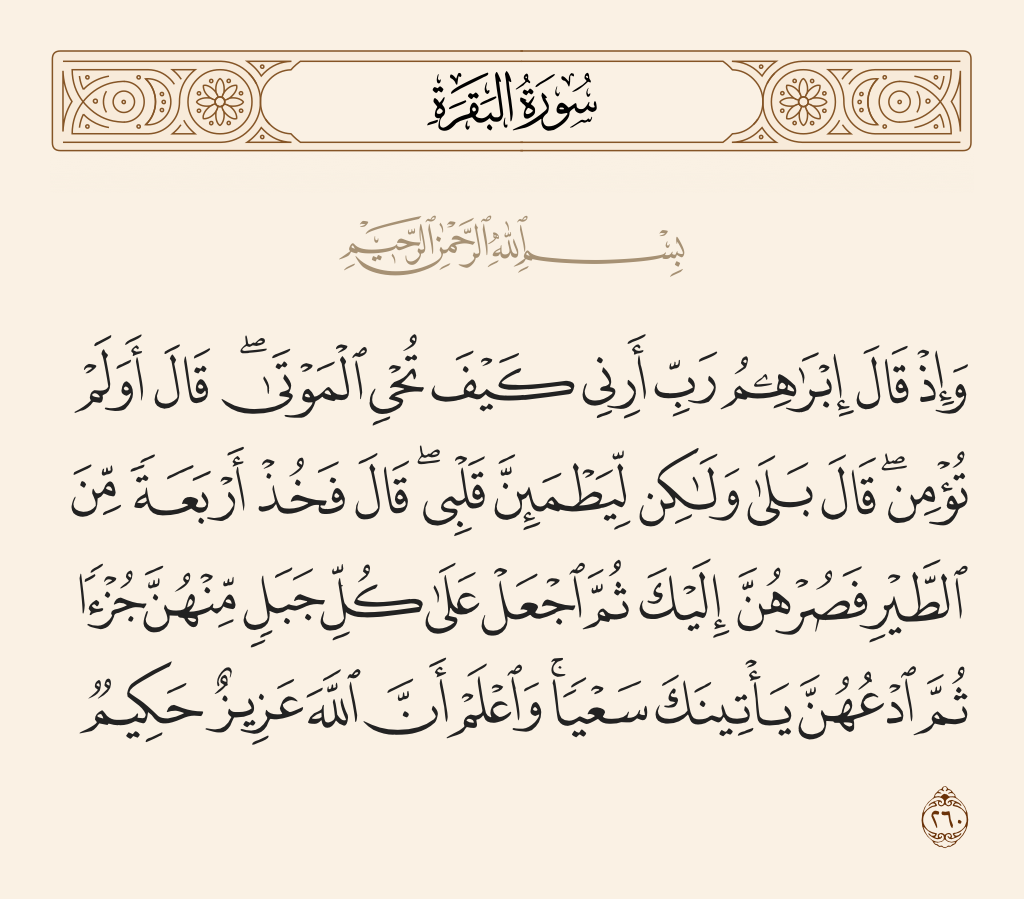
Learn about the virtue of Surah Al-Baqarah in the home, whether it must be completed in one sitting, and the ruling on dividing its recitation
Learn about fasting the last Monday of Rabi al-Awwal 2026, the established virtue of Monday fasting in the Sunnah, and the rewards of voluntary fasting.
Egypt’s Ministry of Awqaf, in cooperation with Al-Azhar, continues the Fixed Pulpit Program in September 2026 with 10,180 seminars promoting religious and ethical values

What is the Islamic ruling on donating the deceased’s clothes, and can they be kept as memories? Learn how inheritance rights apply to clothing and personal belongings.
