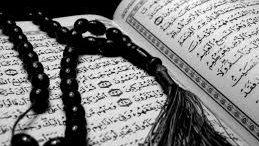

Remembrance of Allah (dhikr) and seeking forgiveness (istighfar) are among the greatest acts of devotion, bringing tranquility to the heart, relief to the soul, and raising one’s ranks with the Creator. Allah says: “Those who have believed and whose hearts are assured by the remembrance of Allah. Unquestionably, by the remembrance of Allah hearts are assured.”
Key dhikr includes:
Tasbih phrases like: “SubhanAllah wa bihamdihi, SubhanAllah al-‘Azim”
Saying: “La ilaha illa Allah, alone without partner”
Seeking forgiveness hundreds of times daily
Tasbih wipes sins, brings blessings, strengthens reliance on Allah, and was a refuge for prophets in times of hardship. Mention of tasbih appears over eighty times in the Quran, associated with angels who glorify Allah day and night.
Benefits of dhikr and tasbih:
Peace and clarity of heart
Multiplication of rewards and forgiveness of sins
Boosting determination and removing anxiety
Intercession with Allah and protection in trials
Prophets made tasbih an essential part of their worship. Prophet Musa asked Allah to help him with his brother Harun in frequent tasbih, and Prophet Muhammad (PBUH) practiced constant dhikr in every aspect of life.