The Ministry of Awqaf Honors the Voice of Sheikh Abdul Basit Abdul Samad… The Golden Throat That Stirred Hearts
The Ministry of Awqaf marks the anniversary of the passing of the legendary Egyptian Qur’an reciter Sheikh Abdul Basit Abdul Samad, famously known as the "Voice of Mecca".

Today, the Ministry of Awqaf honors the memory of Sheikh Abdul Basit Abdul Samad, the renowned Egyptian Qur’an reciter celebrated for his extraordinary voice, widely recognized as the "Golden Voice" and "Voice of Mecca" due to his powerful, melodious, and spiritually moving recitations.
Born in 1927 in Al-Maraazah village, Qena Governorate, Sheikh Abdul Basit memorized the entire Qur’an by age ten, embarking on an exceptional journey with the holy book to become one of the most iconic reciters of the 20th century. His early fame began with the recitation of Surah Fatir, followed by his appointment at the Egyptian Radio in 1951, later serving as a reciter at Al-Shafie and Al-Hussein mosques, succeeding Sheikh Mahmoud Ali Al-Banna. He left behind a vast legacy of high-quality recordings and Qur’anic manuscripts for Egypt and many other Muslim countries.
Sheikh Abdul Basit achieved international acclaim, reciting at major mosques including the Grand Mosque in Mecca, the Prophet’s Mosque in Madinah, Al-Aqsa Mosque, the Ibrahimi Mosque in Hebron, and the Umayyad Mosque in Damascus, earning him the well-deserved title "Voice of Mecca".
He received numerous awards and honors for his dedication to the Qur’an, establishing the Reciters’ Syndicate in Egypt and serving as its first president in 1984, continuing to support Qur’an memorizers and reciters.
Sheikh Abdul Basit passed away on November 30, 1988, with a grand funeral attended by diplomats worldwide and prayers offered in absentia in multiple mosques globally, highlighting the Ministry of Awqaf’s deep respect for Egypt’s Qur’anic recitation icons who spread the light of the Qur’an worldwide.
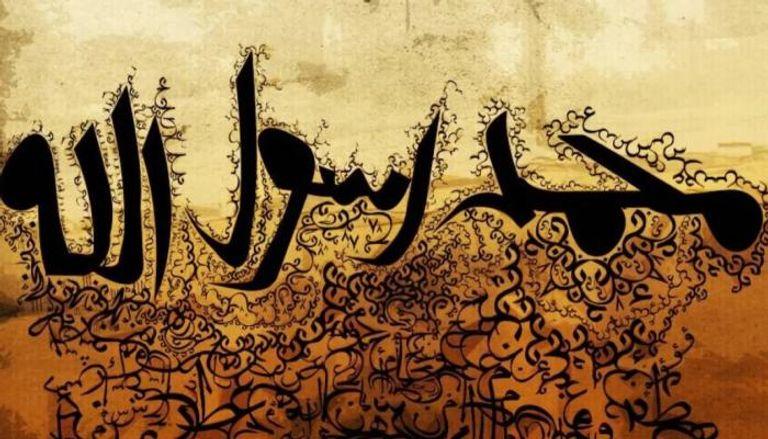
On the Gregorian anniversary of the Prophet’s birth, many hearts long to see him in dreams, and certain spiritual practices are often mentioned to strengthen this hope.

Sheikh Muhammad Metwally Al-Sharawi warned against a common practice some people do while reading the Qur’an, emphasizing the importance of respecting its sanctity.

On the fifth day of Dhul-Qa’dah, believers turn to short yet powerful supplications seeking mercy, relief, and swift response from God.
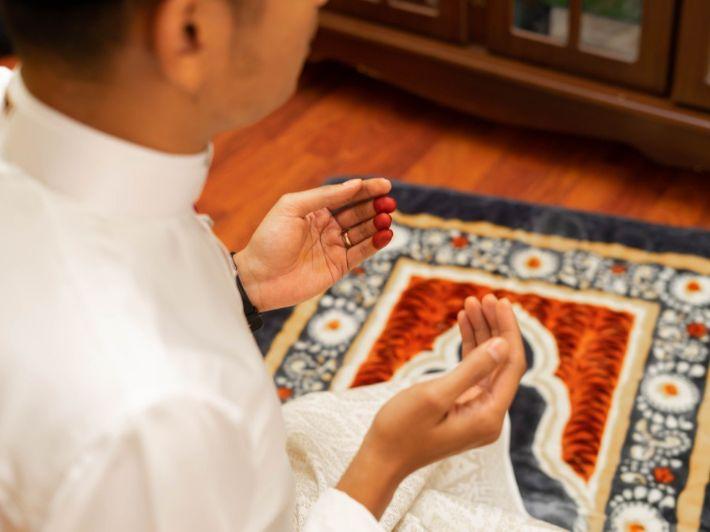
When work or fatigue prevents night prayer, Islam offers simple yet powerful alternatives that bring great reward and spiritual closeness to God.
