The Virtue of Duha Prayer: Last Time to Perform It and How Much Reward You Miss If You Forget It
Egypt’s Dar Al-Ifta explains the final time for performing Duha prayer and its great spiritual rewards, emphasizing that two units of Duha may equal hundreds of daily charities in reward.
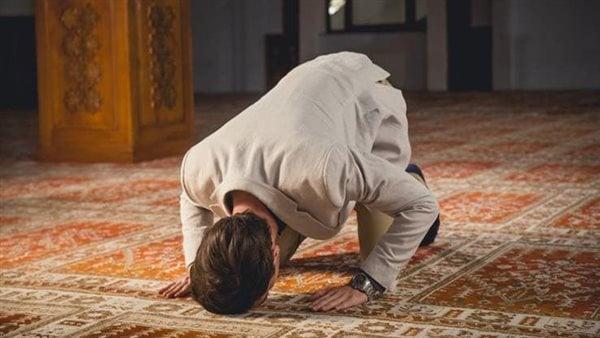

Egypt’s Dar Al-Ifta clarified that the Duha prayer is one of the Prophet Muhammad’s (peace be upon him) beloved Sunnah acts, known as the “Prayer of the Penitent” for those who constantly turn back to God. It brings blessings, forgiveness, and spiritual peace to the believer.
The time for Duha begins about 25 minutes after sunrise and ends roughly four minutes before the Dhuhr (noon) prayer, depending on local time differences.
Allah Almighty swore by “the forenoon” in Surah Ad-Duha, signifying the greatness of this time. The Prophet ﷺ also said that performing Duha compensates for 360 acts of charity due on every joint of the body, adding: “Every morning charity is due on each joint of you… Two rak‘ahs of Duha suffice.”
Whoever prays twelve rak‘ahs of Duha, Allah will build for them a palace in Paradise, as stated in authentic hadith. The prayer brings divine protection, forgiveness, and inner tranquility.
It is recommended to recite Surah Al-Kafirun and Surah Al-Ikhlas in Duha, as they represent core messages of faith and devotion. One may perform two, four, or up to eight rak‘ahs according to their ability.
Dr. Magdy Ashour explained that those unable to perform Duha can earn its reward by glorifying, praising, and declaring the greatness of Allah 360 times, achieving the same spiritual merit.
Duha prayer is a daily chance to renew gratitude and draw closer to Allah — a light-filled moment of peace that should never be missed.

Learn the best dua to say when leaving home, including the prophetic remembrance that expresses trust in Allah and asks for guidance and protection from harm.

Dr. Mohamed Mokhtar Gomaa explains the deeper lessons in the story of Prophet Joseph, including the different legal rulings and how Joseph was able to keep his brother with him.

Who was Moses’ wife, and was she the daughter of Prophet Shuʿayb? Learn about the names Zipporah, Safura, Safuraah and Safuria and what scholars reported.
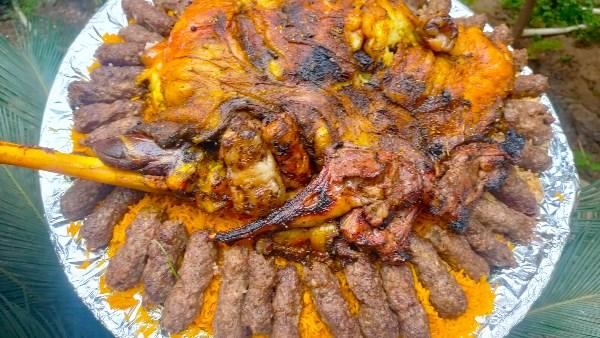
Learn the Islamic ruling on Aqiqah for boys and girls, the number of sheep, the recommended timing, how the meat is distributed, and whether it can be performed before birth.
