True Asceticism: The Secret to Love from Allah and People as Explained by Dr. Ali Gomaa
Dr. Ali Gomaa explains the true meaning of asceticism (zuhd) in worldly life and how it leads to gaining both the love of Allah and the love of people without requiring abandoning or isolating oneself from life.


The Meaning of Asceticism in Worldly Life
Dr. Ali Gomaa emphasizes that asceticism does not mean abandoning the world or leaving it entirely. Rather, it means that worldly life remains in one’s hand, not in one’s heart, so that a person benefits from it without becoming emotionally attached to it.
The Path to Allah’s Love
Achieving Allah’s love is linked to detachment from worldly desires, using life as a means for good deeds, charity, and helping others, while being fully aware that this world is a temporary means, not an ultimate goal.
World in the Hand, Not in the Heart
A true believer is one who possesses the world without being possessed by it, showing gratitude in times of blessing and patience in times of loss, because their heart is attached to Allah alone.
The Path to People’s Love
As for gaining people’s love, it comes from detachment from what others possess. A person should not desire what people have or rely on them for their needs, which grants dignity and independence.
Independence from Others
The more a person becomes self-sufficient through Allah, the more people love them, because they neither compete for what others have nor burden them with constant demands.
The True Value of Asceticism
Asceticism is not poverty of wealth but richness of the heart. It is when a person sees what is with Allah as better and more lasting than what is in the hands of people, achieving balance in life without harmful attachment.
It means having worldly life in your hand, not in your heart, while using it for good without attachment.
Does asceticism mean abandoning money and work?
No, it means working and living in the world without being attached to it.
How does a person gain Allah’s love?
By trusting Him, detaching from worldly desires, and prioritizing the hereafter.
Because they do not covet what others have or compete for worldly gains.

Learn about the best ways to protect children from harm through Islamic spiritual protection, Prophetic supplications, and daily remembrances that help provide protection by the permission of Allah.

Learn how to perform Salat al-Istikhara, its authentic supplication, and the Islamic ruling on interpreting dreams related to important life decisions.
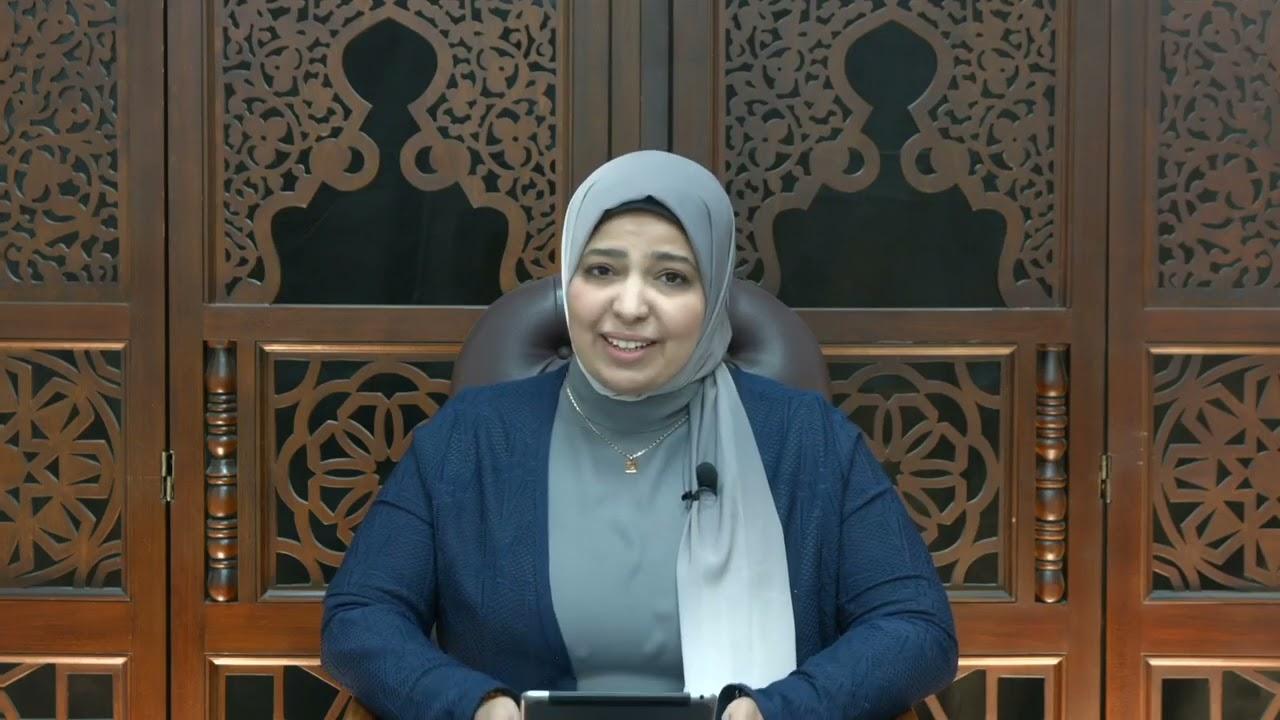
Learn about the Islamic ruling on women praying in a country without a mosque, whether praying at home is sufficient, and whether women can establish congregational prayer at home.

Learn about the concept of an answered dua, the reasons behind accepting supplications, and powerful prayers from the Quran and Sunnah for relief, رزق, and fulfilling needs.
