 Religious News

Dar al-Iftaa issues a detailed clarification on the prohibition of selling debt to third parties on deferred terms, explaining the risks and religious basis behind this ruling.
Egypt’s Dar Al-Iftaa clarifies the link between charity and forgiveness, the ruling on saying “Madad Ya Sayyidna Al-Hussein,” and the virtue of feeding people in memory of the deceased.

Al-Azhar’s Fatwa Center affirmed that a true believer always stays connected to God, praising Him in ease and seeking His mercy in hardship, emphasizing that prayer and supplication are the essence of faith.

Egypt’s Dar Al-Ifta explains the virtue of feeding others for the soul of a deceased person, confirming that charity reaches the dead and increases their good deeds.

Egypt’s Dar Al-Ifta explains that shaking hands between Muslims is a blessed act that wipes away sins and may be a cause for prayer acceptance by God’s mercy.
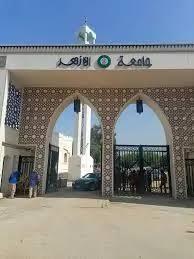
Al-Azhar professor clarifies that asking saints for help is not disbelief unless accompanied by intentional denial of faith, emphasizing that only Islamic courts can issue rulings of apostasy.
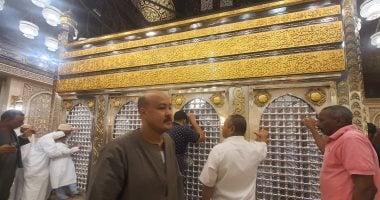
In a breathtaking spiritual atmosphere, Egyptians gather around Al-Hussein Mosque in Cairo to celebrate the final night marking the arrival of Imam Al-Hussein’s blessed head to Egypt centuries ago.

The Prophet Muhammad ﷺ deeply loved his grandsons Al-Hasan and Al-Husayn. He carried them, prayed for them, and said, “O Allah, I love them, so love them.” His affection reflected both the warmth of a grandfather and the mercy of a prophet.
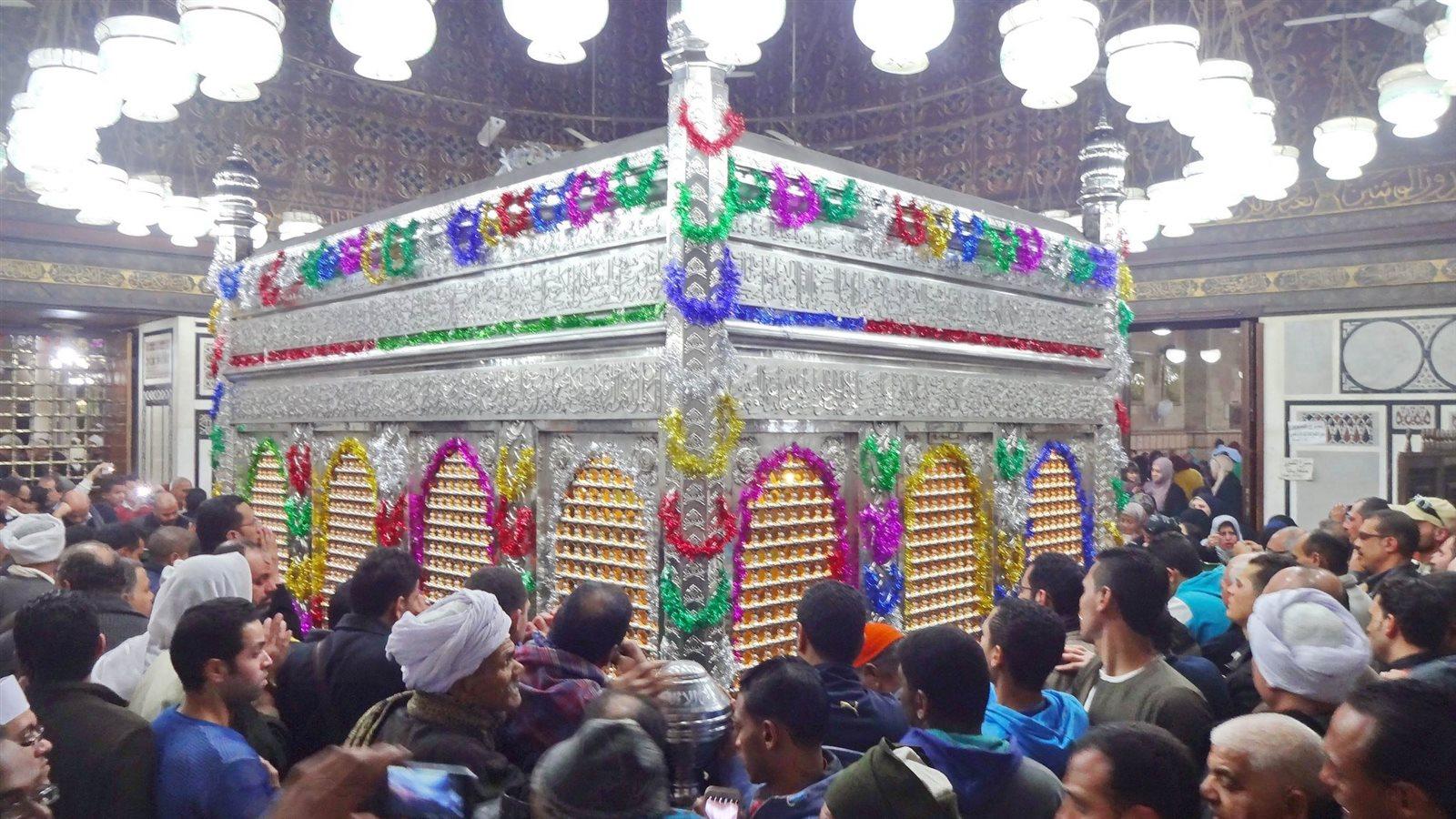
Egyptians celebrate Imam Hussein twice a year — once for his birth and again for the arrival of his blessed head to Cairo. A centuries-old story rooted in faith, history, and verified accounts.
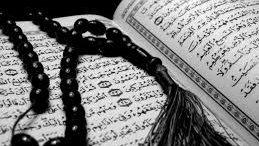
Reciting the Quran in the morning brings tranquility, opens doors of sustenance, and protects from harm. Discover the most recommended verses and chapters for a spiritually empowered start.

Al-Azhar Fatwa clarifies in detail the conditions under which children must financially support elderly or needy parents and highlights recommended practices for wealthy parents.

Khula is a valid Islamic ruling, and Egyptian judges can issue it even if the husband has not pronounced divorce, in line with Sharia.
