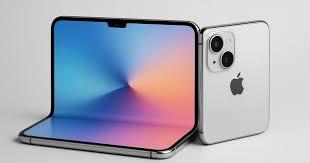

Apple has repeatedly delayed the launch of its highly anticipated foldable iPhone, as the tech giant aims to create a device free from visible folding creases. The main challenge lies in the hinge design, which needs to make the fold virtually invisible—a technical hurdle that no manufacturer has fully mastered.
Even Samsung, with its Galaxy Z Fold 7, cannot completely eliminate folding marks, though they remain hardly noticeable in everyday use. Samsung opted to release devices with iterative improvements, while Apple prefers to wait for a major technological breakthrough, causing repeated delays.
These postponements significantly affect Apple’s market position, especially with the upcoming iPhone 18 series in 2026. The foldable iPhone may face tough competition from the 20th-anniversary iPhone in 2027, potentially diminishing the device's initial appeal if it doesn’t deliver a true innovation.
Additionally, Apple faces current product quality challenges, such as poor network reception and structural durability issues in the iPhone 17 Pro, along with software glitches like the iPadOS 18 update. These issues make delivering a flawless foldable phone extremely difficult.
Experts suggest Apple should consider releasing an early adopter version of the foldable iPhone with subsequent updates, rather than waiting indefinitely for perfection, to retain its competitive edge against Samsung and Huawei.
Expected Advantages:
Robust and stylish design with an improved hinge.
Advanced high-resolution foldable display.
Integrated iOS with competitive features.
Potential Drawbacks:
Possible further launch delays.
High expectations may lead to user disappointment.
Technical challenges in achieving a crease-free fold