🎧 Best Wireless Bluetooth Earbuds in 2026: Comprehensive Comparison Between Sony WF-1000XM6, AirPods Pro 3, and Bose QuietComfort Ultra 2
Wireless Bluetooth earbuds have become one of the most essential devices people rely on daily—whether for listening to music and podcasts, watching movies and series, taking calls and meetings, or exercising and navigating crowded places. With rapid advances in audio technology, wireless earbuds are no longer just a way to hear music; they’ve evolved into smart devices that combine sound quality, noise cancellation, multi-device connectivity, artificial intelligence, call enhancement, and health and smart features.
With the release of new flagship generations, choosing the right pair has become more difficult—especially when comparing models that all belong to the Premium category and offer advanced technologies, such as Sony WF-1000XM6, Apple AirPods Pro 3, and Bose QuietComfort Ultra Earbuds 2nd Gen. Each of these earbuds tries to deliver a different experience, whether by focusing on sound quality, noise-cancellation strength, smart features, comfort and stability, or integration with phones and other devices.
The Sony WF-1000XM6 stands out as one of the top options for users seeking an advanced audio experience and extensive sound customization, along with support for technologies such as LDAC, DSEE Extreme, adaptive noise cancellation, and simultaneous connection to two devices. Sony also aims to deliver a comfortable experience for long listening sessions, work, travel, and calls, with up to 8 hours of battery life with noise cancellation enabled.
In contrast, the Apple AirPods Pro 3 offer a different experience that relies heavily on integration between the earbuds and Apple devices. Their advantages go beyond sound quality and noise cancellation to include a range of smart functions such as personalized spatial audio, head-tracking, conversation awareness, call isolation, plus health and fitness-related features. They also feature a lightweight design and higher water and dust resistance than some competitors in this comparison.
The Bose QuietComfort Ultra Earbuds 2nd Gen put noise cancellation, comfort, and immersive sound at the top of their priorities, with technologies such as CustomTune that personalize the audio and isolation experience according to the user’s ear, plus Immersive Audio, ActiveSense, and improved call quality. Bose also provides a dedicated system of Ear Tips and Stability Bands to improve stability during use and movement.
But the real question isn’t only about the on-paper specifications of each pair—it’s about how the experience differs in actual use. Is it better to choose earbuds that offer the highest level of sound and EQ control? Or is phone integration more important? Is noise-cancellation strength more important than battery life? How does microphone quality differ during calls in quiet versus crowded places? And does the weight and design of the earbuds affect comfort when worn for long hours?
In this comprehensive comparison, we examine the Sony WF-1000XM6, Apple AirPods Pro 3, and Bose QuietComfort Ultra Earbuds 2nd Gen separately and in detail, focusing on technical specifications, core and smart features, earbud type and suitable use cases, sound quality and frequency response, isolation and noise-cancellation strength, battery life, comfort, fit, and stability in the ear.
The comparison also covers Bluetooth connectivity performance, codec support, compatibility with iPhone, Android, and computers, connection stability, microphone and call quality, water and sweat resistance, build quality and durability, as well as the size and weight of each pair.
The comparison doesn’t stop at the companies’ official specifications—it extends to professional review and technical test results and user experiences, clarifying the difference between official specifications and real-world results; because some numbers and features may look similar on paper while the actual experience differs from one pair to another.
We also review the prices of the three earbuds in Egypt and some Arab markets, with the note that prices vary by store, promotions, warranty, and purchase date, so they are treated as observed prices at the time of preparing the comparison and not fixed prices.
Thus, this comparison does not merely provide a list of specifications; it helps understand the real differences between three of the leading premium wireless Bluetooth earbuds—from sound quality and isolation, through comfort, battery, and connectivity, all the way to smart features, compatibility, price, and the drawbacks that should be known before making a purchase decision.
🎧 First: Sony WF-1000XM6

1. Earbud Type and Use Cases
Sony WF-1000XM6 are fully wireless earbuds of the True Wireless In-Ear type, meaning each earbud works independently with no wire connecting the two.
Sony designed this model as a Premium pair for everyday use, focusing on:
- Listening to music at high quality.
- Noise cancellation during travel and commuting.
- Calls and meetings.
- Working from home and the office.
- Use with phone and computer.
- Sports and outdoor use, while noting they are not designed for swimming.
- Listening to high-quality audio files and sources, especially with LDAC.
The earbuds support simultaneous connection to two devices via Multipoint, a very useful feature if you use a phone and laptop together.
2. Technical Specifications
The XM6 relies on:
- Bluetooth 5.3
- Driver size 0.33 inch
- SBC
- AAC
- LDAC
- LC3
- DSEE Extreme
- Multipoint
- Ambient Sound Mode
- Quick Attention
- Active Noise Cancellation system
- USB-C charging
- Wireless charging via the case.
The announced effective Bluetooth range is approximately 10 meters / 32.8 feet under suitable conditions.
3. Sound Quality
Sound is one of the XM6’s strongest points.
Sony does not rely only on the driver; it uses digital audio processing through DSEE Extreme, in addition to LDAC support.
This means the earbuds can handle high-quality audio sources with a higher data transfer rate than SBC and AAC when the source device is compatible.
Users can also adjust the sound through the Sony app, allowing control of:
- Bass
- Midrange
- Treble
Thus the sound signature can be changed according to the type of music.
In practical use:
With songs
You get clear bass with good detail in instruments and vocals.
With quiet music
Fine details of voices and instruments appear well.
With movies
Strong isolation makes dialogue clearer in crowded places.
With games
Performance is good, but the gaming experience varies depending on the phone, connection, and codec used.
4. Frequency Response

Here Sony provides a clear official figure, something not every company does.
According to Sony’s specifications:
20Hz – 20kHz
When connected via Bluetooth at a 44.1 kHz sampling rate.
With LDAC at 96 kHz and 990 kbps, the announced specification reaches:
20Hz – 40kHz.
It should be noted that the earbuds reaching 40 kHz does not mean a human can hear that range; it is part of the signal reproduction capability specification and is not by itself a measure of sound quality.
5. Noise Cancellation (ANC)
Sony has implemented a very advanced isolation system in the XM6.
The earbuds use multi-level processing to analyze ambient noise and deal with it.
They offer:
- Active Noise Cancellation
- Adaptive Noise Control
- Ambient Sound
- Quick Attention
- Adaptive NC Optimizer
In user experiences, the XM6 frequently appears as one of the strongest ANC earbuds, especially against low-frequency sounds such as:
- Airplane engines.
- Public transport.
- Metro.
- Air conditioning.
- Street noise.
In a specialized user experience on Reddit, the XM6 was described as delivering very consistent ANC with strong performance against deep vehicle sounds, with the emphasis that fit quality has a major impact on the result.
6. Battery
According to Sony:
With ANC on:
Up to 8 hours
Without ANC:
Up to 12 hours
Calls:
Up to approximately 5 hours with ANC.
The earbuds support:
- USB-C
- Wireless Charging
Charging time for the earbuds themselves is about 1.5 hours according to official specifications.
This makes them very suitable for anyone who spends long hours working or traveling.
7. Comfort and Fit
Sony revised the XM6 design compared with previous generations.
The earbuds are not the lightest in this comparison; the weight of one earbud is approximately:
0.23 oz ≈ 6.5 grams
with a medium-sized ear tip.
Comfort depends on ear shape.
This is a very important point because some users find the Sony design very suitable, while another user may feel the earbuds are relatively large.
Therefore the correct fit is important not only for comfort but also for ANC and bass quality.
8. Stability During Movement
XM6 stability is good when the appropriate ear tips are chosen.
However, they are not designed as sports earbuds with an over-ear hook.
Therefore during:
- Walking
- Gym
- Running
the right tips must be chosen carefully.
If the earbuds are not properly sealed in the ear, isolation can decrease and bass can become weaker.
9. Connectivity

This is one of Sony’s strong points.
The earbuds support:
Bluetooth 5.3
in addition to:
- SBC
- AAC
- LDAC
- LC3
- Multipoint
The presence of LDAC makes them particularly attractive to Android users whose devices support this codec.
10. Device Compatibility
XM6 works with:
- Android
- iPhone
- Windows
- Mac
- Other Bluetooth devices
But the experience differs depending on the device.
On Android you can take advantage of LDAC if the phone supports it.
On iPhone the earbuds rely on AAC, because Apple devices do not offer LDAC.
This is a very important point when comparing Sony with AirPods.
11. Connection Stability
Bluetooth 5.3 + Multipoint provide a strong connection in everyday use.
Multipoint is especially useful for:
Phone + Laptop
so the earbuds can stay connected to both devices instead of disconnecting and re-pairing every time.
12. Microphone Quality
Sony has significantly improved the call system.
It relies on audio processing technologies and voice-directed microphones, with AI-based processing.
The important advantage here is the attempt to separate the speaker’s voice from:
- Street noise.
- Office noise.
- Voices of other people.
- Wind.
However, as with any TWS earbuds, call quality in a very noisy place will not equal that of a professional headset microphone.
13. Smart Features
Among Sony’s most important functions:
Speak-to-Chat
When you start speaking, the earbuds can automatically lower the music.
Quick Attention
You can quickly listen to the surroundings without removing the earbuds.
Adaptive Sound Control
The earbuds can change isolation and ambient sound levels based on the situation.
DSEE Extreme
Sony attempts to improve some compressed audio sources.
Multipoint
Connection to two devices.
360 Reality Audio
For a spatial audio experience with supported services and devices.
14. Water and Sweat Resistance
Rating:
IPX4
This means they withstand sweat and water spray, but they are not designed for swimming or submersion.
15. Build Quality and Durability
XM6 belong to the Premium category.
The case and earbuds are designed for daily use, but the IPX4 rating only means water must be handled with care.
16. Price in Egypt
At the time of research, the price of the Sony WF-1000XM6 in the Egyptian market appeared at:
15,499 Egyptian pounds
on Sony World Egypt, and the same price appeared at AudioTech Egypt.
The price can change according to promotions and warranty.
17. Drawbacks of Sony WF-1000XM6

- High price.
- Larger and heavier than AirPods Pro 3.
- Fit may not suit every ear.
- iPhone devices do not benefit from LDAC.
- IPX4 only.
- Some users may prefer a smaller design.
- Best experience requires good EQ and tip adjustment.
Apple AirPods Pro 3.. A Smarter, More Comfortable Audio Experience with Advanced Technologies
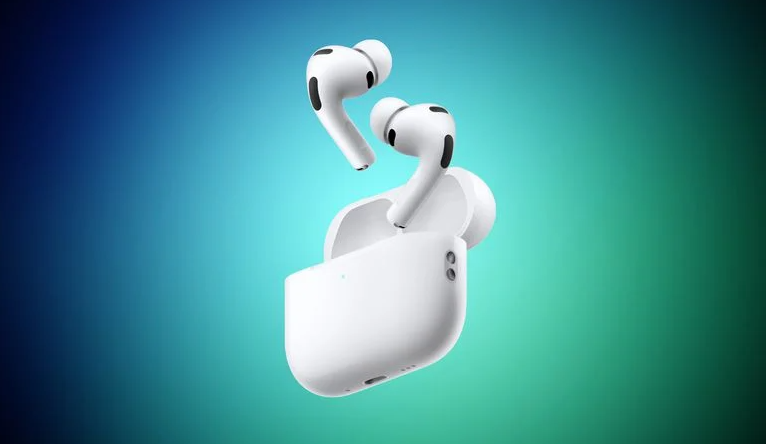
The Apple AirPods Pro 3 represent a new generation of wireless earbuds that combine sound quality, intelligent noise isolation, improved design, and health and smart features in one experience. They come with a new design focused on stability in the ear and comfort during daily use and workouts, along with new ear tips in five sizes to provide a better fit for a larger number of users.
AirPods Pro 3 rely on a new multi-port acoustic architecture, with a custom driver and amplifier and the H2 chip, to deliver clearer sound, deeper bass, and a wider soundstage, with support for personalized spatial audio and dynamic head tracking. The earbuds also feature improved Active Noise Cancellation, which Apple says can remove up to twice as much noise compared with AirPods Pro 2.
The developments are not limited to sound; the earbuds add a heart-rate sensor for workouts, which can be used with iPhone to track heart rate and calories across more than 50 workout types in the Fitness app. They also support smart features such as Conversation Awareness, Adaptive Audio, and Personalized Volume, in addition to hearing-health features.
1. Earbud Type and Use Cases
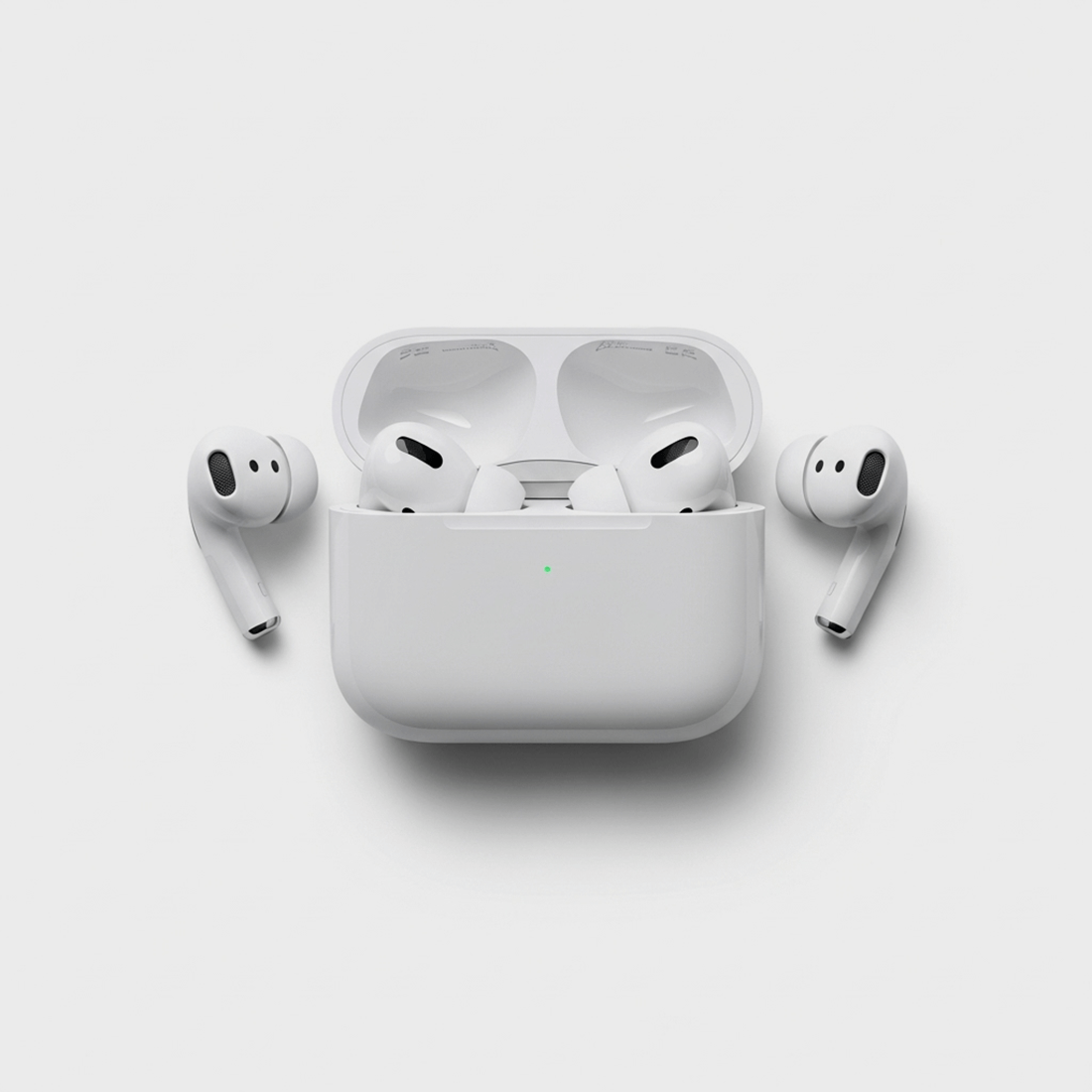
AirPods Pro 3 are:
True Wireless In-Ear
They are primarily aimed at Apple ecosystem users, but they also work with other Bluetooth devices.
They suit:
- Calls.
- Music.
- Watching movies.
- Work.
- Travel.
- Sports.
- Daily use.
- Users who want a large set of smart features.
But the real value of AirPods Pro 3 appears with:
iPhone + Apple Watch + Mac + iPad
because a large part of the smart integration depends on the Apple ecosystem.
2. Technical Specifications
Apple uses:
Apple H2 Headphone Chip
with:
- Custom high-excursion Apple driver
- Custom high dynamic range amplifier
- Adaptive EQ
- Active Noise Cancellation
- Adaptive Audio
- Transparency Mode
- Conversation Awareness
- Voice Isolation
- Personalized Volume
- Personalized Spatial Audio
- Dynamic Head Tracking
- Studio-quality audio recording
- Hearing Protection
- Hearing Test
- Hearing Aid
- Live Translation.
3. Sound Quality
AirPods Pro 3 rely on a driver and amplifier designed specifically by Apple.
Among the most important technologies:
Adaptive EQ
The earbuds dynamically adjust sound according to listening.
Personalized Spatial Audio
A personalized spatial audio experience can be created.
Dynamic Head Tracking
When you move your head, the sense of sound location changes.
This is very useful for:
- Movies.
- Series.
- Games.
- Spatial-audio-supported content.
4. Frequency Response
Here one must not invent a number.
Apple does not publish an official Frequency Response for AirPods Pro 3 like Sony’s 20Hz–20kHz figure.
Therefore any site that lists a specific number for AirPods Pro 3 should be treated as presenting a measurement result from that site and not an official Apple specification.
This is a very important point if the article is to be written professionally.
5. Noise Cancellation
AirPods Pro 3 rely on:
Active Noise Cancellation
in addition to:
Adaptive Audio
Combines isolation and ambient sound.
Transparency Mode
Allows hearing the surrounding environment.
Conversation Awareness
When you start speaking, the listening experience automatically changes so conversation becomes easier.
Loud Sound Reduction
Helps reduce exposure to loud sounds.
Apple places ANC improvements among the standout features of the third generation.
6. Battery
This is a very strong point.
According to Apple:
With ANC:
Up to 8 hours
on a single charge.
Spatial Audio + Head Tracking:
Up to 7.5 hours
While using the heart-rate sensor during workouts:
Up to 6.5 hours
With Hearing Aid feature:
Up to 10 hours in the Transparency mode mentioned by Apple.
As for the case:
Up to 24 hours of listening with ANC.
And 5 minutes in the case provide approximately:
1 hour of listening.
7. Comfort and Fit
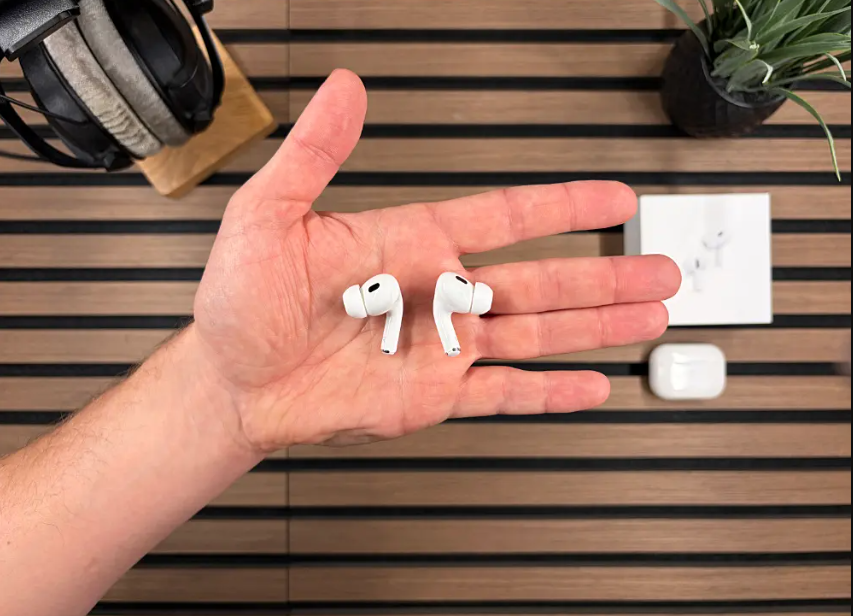
Weight of AirPods Pro 3 is approximately:
5.55 grams per earbud
which is lighter than the Sony XM6.
This makes them very suitable for long use for many users.
The design also relies on a multi-size set of ear tips, allowing better fit adjustment.
8. Stability
AirPods Pro 3 are suitable for use during:
- Walking.
- Running.
- Workouts.
- Work.
- Travel.
The light weight helps reduce the sensation of the earbuds being in the ear.
However, stability, like any In-Ear earbuds, ultimately depends on the user’s ear shape and tip choice.
9. Connectivity
Bluetooth:
5.3
The earbuds integrate excellently with Apple devices.
They can be used with:
- iPhone
- iPad
- Mac
- Apple Watch
- Apple TV
- Other Bluetooth devices.
But some features do not work the same way on Android.
10. Smart Features
Here Apple leads in terms of the number of ecosystem-linked functions.
Conversation Awareness
Lowers the listening experience when you start speaking.
Voice Isolation
Improves the clarity of your voice during calls.
Personalized Volume
Adapts to listening habits and volume level.
Spatial Audio
Spatial audio experience.
Dynamic Head Tracking
Sound seems to come from a fixed direction even when you move your head.
Hearing Test
A hearing test.
Hearing Aid
A feature linked to hearing health on supported devices.
Hearing Protection
Helps protect hearing from loud sounds.
Heart Rate Sensor
Uses a sensor to measure heart rate during workouts.
Live Translation
A live conversation translation feature supported in specific scenarios, devices, and languages, so it should not be presented as if it works unconditionally on every device.
11. Microphone Quality
Apple uses:
- Dual beamforming microphones
- Inward-facing microphone
- Speech-detecting accelerometer
- Voice Isolation
This makes AirPods Pro 3 very strong for calls and voice interaction.
Apple also includes Studio-quality audio recording among the audio specifications.
12. Water and Sweat Resistance
Here there is a very important point:
IP57
for the earbuds and case according to Apple.
Apple also classifies them as resistant to dust, sweat, and water.
However, this does not mean they are swimming earbuds or intended for deliberate underwater use for long periods.
13. Size and Weight
One earbud:
Approximately 5.55 grams
which is less than the Sony XM6.
This gives them a clear advantage for those who prefer lightweight earbuds.
14. Build Quality
Apple uses a very small design with a charging case that supports:
- USB-C
- MagSafe
- Qi
- Apple Watch Charger
The case also contains a Speaker for using Find My features.
15. Price in Egypt

At the time of research, the price of AirPods Pro 3 on Vodafone Egypt appeared at:
14,999 Egyptian pounds
with the possibility of installment payments.
16. Drawbacks of AirPods Pro 3
- Best experience requires Apple devices.
- Some features are not available at full capability on Android.
- No LDAC.
- Apple does not publish an official Frequency Response figure for direct comparison.
- High price.
- Total case battery is not the largest in the category.
- Some health features depend on the device, region, and software.
Bose QuietComfort Ultra Earbuds 2nd Gen.. An Immersive Sound Experience with Advanced Noise Isolation
The Bose QuietComfort Ultra Earbuds 2nd Gen come as an updated version of Bose’s wireless earbuds aimed at high-quality audio enthusiasts, with a clear focus on active noise cancellation, call quality, immersive sound, and comfort during long use. The earbuds combine an in-ear design with Bose audio technologies to deliver an experience suitable for listening to music and podcasts, watching video, and making calls in various conditions.
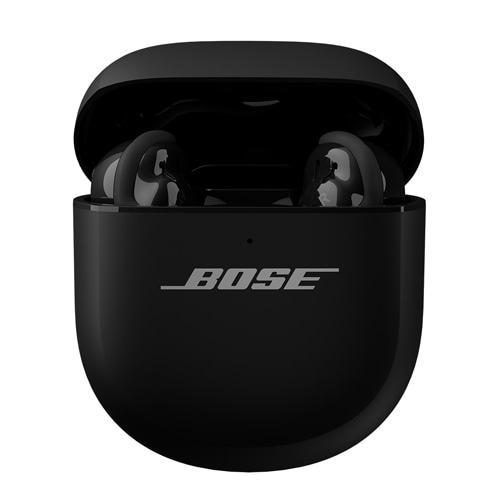
The earbuds rely on CustomTune technology that adapts the sound according to the shape of the user’s ear, along with Bose Immersive Audio to deliver a more expansive spatial sound experience. They also provide different modes for controlling noise, including Quiet Mode for strong isolation and Aware Mode to allow hearing surrounding sounds when needed.
Among the most notable developments in the second generation is improved call quality through SpeechClarity technology, which relies on microphones and audio processing techniques to help reduce background sounds and focus on the speaker’s voice. Each earbud contains 4 microphones, which supports better call performance and voice control.
The earbuds also received a wireless charging case, with a battery that provides up to 6 hours of playback when immersive audio is off, dropping to 4 hours when Immersive Audio is on, while the charging case provides up to 18 additional hours. The earbuds support Bluetooth 5.3 with SBC, AAC, and aptX Adaptive codecs, along with the ability to connect to more than one device via Multipoint.
Bose QuietComfort Ultra Earbuds 2nd Gen

1. Earbud Type and Use Cases
Bose QC Ultra Earbuds 2nd Gen are also:
True Wireless In-Ear
But Bose’s philosophy is slightly different.
The primary focus is on:
- ANC.
- Sound quality.
- Comfort.
- Stability.
- Immersive sound.
- Calls.
- Travel.
- Gym.
- Use in crowded places.
2. Technical Specifications
The earbuds come with:
- Bluetooth 5.3
- Adjustable ANC
- CustomTune
- Immersive Audio
- ActiveSense
- Aware Mode
- Multipoint
- SpeechClarity
- Wireless Charging
- Bose App
- IPX4
Materials used include:
Plastic PC-ABS + Silicone + Metal
according to Bose specifications.
3. Sound Quality
Bose relies on:
CustomTune
The earbuds analyze the shape of the ear canal and adjust the sound and isolation experience based on that.
This is important because Bose does not treat all ears with the same settings.
They also offer:
Bose Immersive Audio
The goal is to deliver a more expansive sense of spatial sound.
Bose also provides:
Cinema Mode
To turn sound into a more immersive experience similar to a cinema experience.
4. Isolation / ANC
This is one of Bose’s most important strengths.
They provide:
Quiet Mode
Highest level of noise cancellation.
Aware Mode
For hearing the surrounding environment.
ActiveSense
Automatically handles sudden loud sounds while using Aware Mode.
Bose describes ActiveSense technology as adjusting the noise-cancellation level according to the intensity and duration of the sound.
Recent TechRadar tests point to very strong ANC performance for the second generation, placing it at the top of the ANC earbuds the site tested in 2026.
5. Battery

Bose announces:
Up to 6 hours
of playback.
But with:
Immersive Audio
it drops to approximately:
4 hours
The case can provide about 3 full charging cycles for the earbuds.
Also:
20 minutes of charging ≈ up to 2 hours of playback
according to Bose testing.
6. Comfort and Fit
Bose offers a very distinctive system:
3 Ear Tip sizes
- Small
- Medium
- Large
with:
3 Stability Band sizes
This provides multiple options for obtaining suitable stability.
This is very useful for anyone who suffers from earbuds falling out during movement.
7. Stability
This is one of Bose’s strong points.
The presence of the Stability Bands makes the earbuds more stable in the ear during:
- Running.
- Gym.
- Walking.
- Continuous movement.
However, the design may appear slightly larger than AirPods for some users.
8. Connectivity

Bluetooth:
5.3
They support:
- A2DP
- HFP
- Multipoint
The announced range reaches approximately:
30 feet / 9 meters.
9. Multipoint
You can connect the earbuds to more than one device and switch between them.
This is a very important feature for employees who use:
Laptop + Smartphone
at the same time.
10. Microphone and Calls
Bose added in the second generation the technology:
SpeechClarity
which relies on AI-supported processing to reduce:
- Background noise.
- Wind.
- Ambient sounds.
The goal is to focus the microphones on the speaker’s voice.
This is one of the main improvements that distinguish the second generation from the previous one.
11. Smart Features

CustomTune
Adjusts sound and isolation according to the user’s ear.
ActiveSense
Automatic handling of loud sounds.
SpeechClarity
Improves calls using AI-supported audio processing.
Immersive Audio
Immersive spatial sound.
Cinema Mode
Oriented toward movies and visual content.
Multipoint
Connection to more than one device.
Bose App
Control of settings, sound, and isolation.
12. Water and Sweat Resistance
Rating:
IPX4
Suitable for sweat and water spray, but not designed for submersion or swimming.
13. Size and Weight
Bose announces the weight of one earbud as approximately:
0.016 lb ≈ 7.3 grams
which makes them heavier than AirPods Pro 3 and Sony XM6 based on company figures.
However, the actual sensation of weight also depends on ear shape and the stability band.
14. Build Quality and Durability
Bose uses:
- PC-ABS
- Silicone
- Metal
They come with a wireless charging case.
The Fit Kit that Bose provides is an important part of the design and not merely an extra accessory.
15. Price in Egypt
At the time of research, the price of Bose QuietComfort Ultra Earbuds 2nd Gen appeared at:
14,999 Egyptian pounds
on Ennap, with a previous price visible at 17,000 pounds.
But the price varies greatly between stores, promotions, and warranty.
16. Drawbacks of Bose QC Ultra 2

- Battery is lower than Sony and AirPods.
- Drops to about 4 hours with Immersive Audio.
- IPX4 only.
- Larger and heavier than AirPods.
- Some users may not prefer the immersive sound signature.
- Some features depend on the Bose app and the connected device.
- Does not provide the same level of AirPods integration with Apple devices.
- Does not provide the same LDAC flexibility found in Sony.
📌 Quick Comparison After Detailing Each Pair
Sony WF-1000XM6
Core idea:
Premium earbuds that combine sound quality + ANC + customization + LDAC + Multipoint.
Battery: 8 hours with ANC.
Weight: approximately 6.5 g.
Water: IPX4.
Observed price in Egypt: around 15,499 EGP.
Apple AirPods Pro 3
Core idea:
Premium earbuds that combine sound + ANC + smart features + hearing health + Apple integration.
Battery: 8 hours with ANC.
Weight: approximately 5.55 g.
Water and dust: IP57.
Observed price in Egypt: around 14,999 EGP.
Bose QuietComfort Ultra Earbuds 2nd Gen
Core idea:
Earbuds focused on ANC + comfort and stability + immersive sound + calls.
Battery: 6 hours, or 4 hours with Immersive Audio.
Weight: approximately 7.3 g.
Water: IPX4.
Observed price in Egypt: around 14,999 EGP at the time of research.
👥 What Do Real-World Experiences Say?
Experiences on Reddit are mixed, which is very natural with earbuds; ear shape, ear tips, and the phone used can significantly change the comfort and ANC experience. In a recent comparison between XM6 and Bose, users specifically discussed the difference between Sony’s sound and Bose’s ANC, while other users pointed out that Conversation Awareness in AirPods Pro 3 is a practical point when talking in public places. These are user opinions and not laboratory tests.
Regarding the XM6, there are also lengthy reviews and user experiences that compare it directly with AirPods Pro 3 and Bose, with a clear difference in preferences between sound, isolation, and comfort.