🎤 1) Audio-Technica AT2020 
📌 Type: Studio condenser microphone – XLR (requires audio interface + 48V Phantom Power)
📊 Key Technical Specifications
- Frequency Response: 20 Hz – 20 kHz — full-range for vocals and instruments.
- Polar Pattern: Cardioid — isolates front sound and reduces side noise.
- Max SPL: Up to 144 dB without distortion.
- Low Self-Noise: ~20 dB.
- Signal-to-Noise Ratio: Strong (~74 dB).
- Connection: XLR (requires 48V Phantom Power).
🎙️ Pros 
✔ Clean and clear sound for its price.
✔ Strong performance for vocals, instruments, and podcasting.
✔ Durable metal build, perfect for home studios.
✔ Good background noise rejection thanks to Cardioid pattern.
❌ Cons 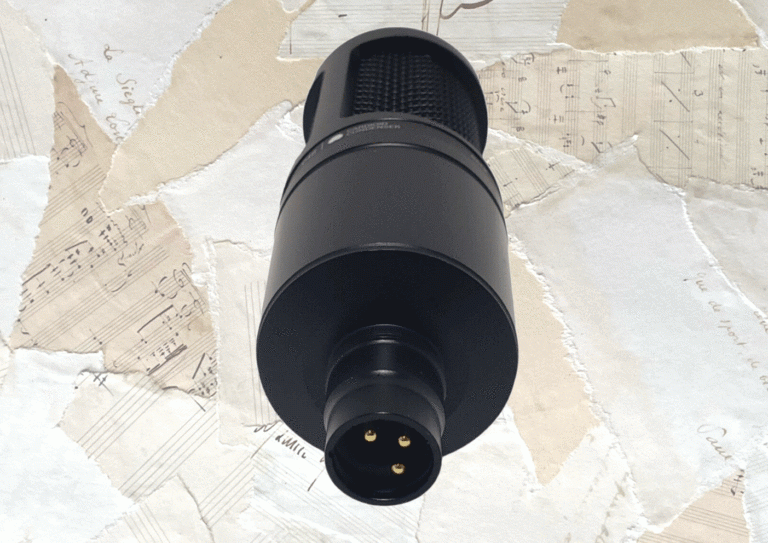
⚠ Requires audio interface + 48V Phantom Power (additional cost).
⚠ No built-in PAD or low-cut filter.
📌 Best for: Vocals, podcasting, instruments, voice-over — an excellent choice for beginners seeking near-professional sound.
🎤 2) Behringer C-1 
📌 Type: Budget-friendly XLR condenser microphone
📊 Technical Specifications
- Polar Pattern: Cardioid
- Frequency Response: Approx. 40 Hz – 20 kHz
- Max SPL: Around 136 dB SPL
- Transformerless FET design for clean signal
- Connection: XLR (Phantom Power required)
🎙️ Pros 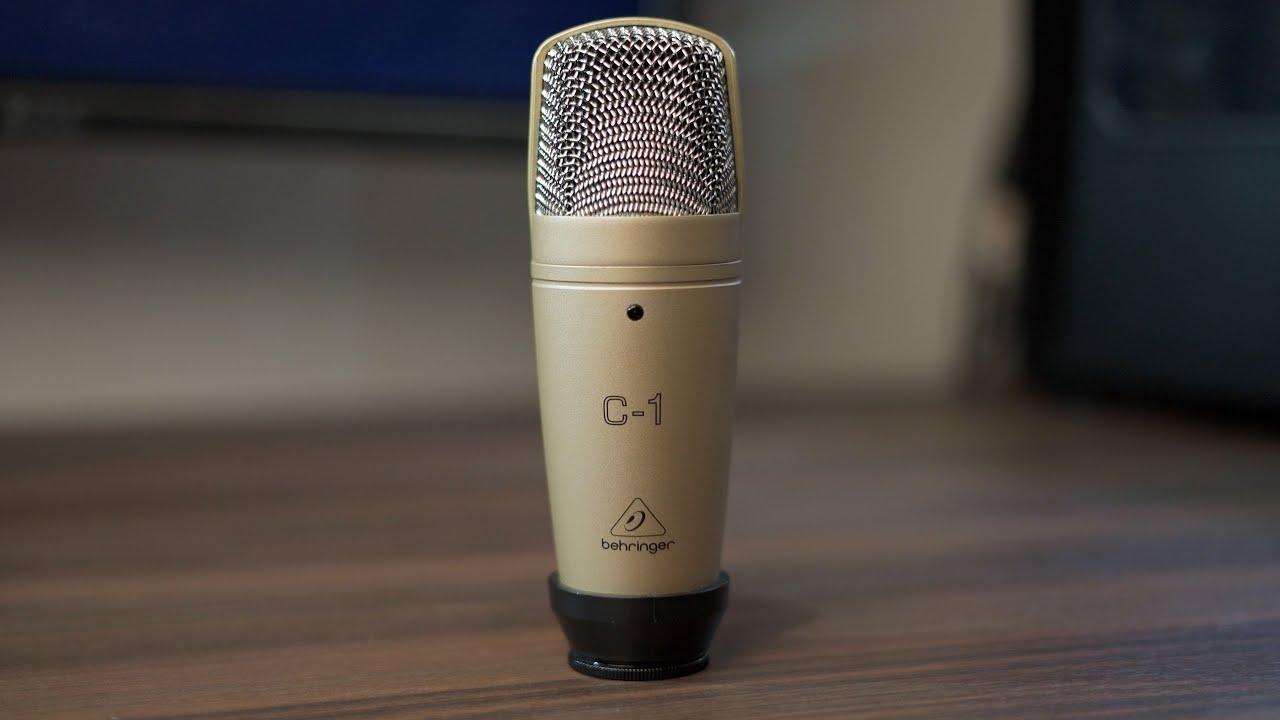
✔ Extremely affordable price.
✔ Solid metal construction.
✔ Balanced sound for general use.
❌ Cons 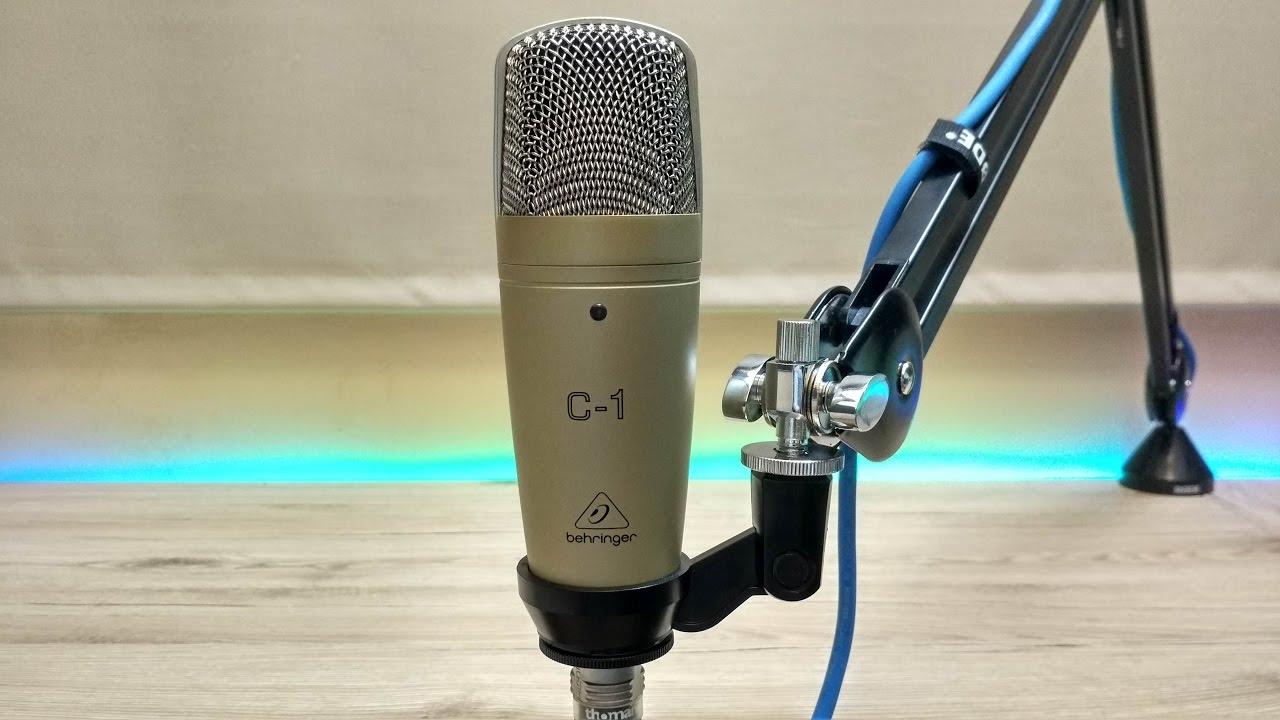
⚠ No advanced features like PAD or low-cut filter.
⚠ Less detailed than AT2020, but excellent for the price.
📌 Best for: Beginner home studios, basic vocals, and podcasting.
🎤 3) RØDE NT-USB Mini (USB) 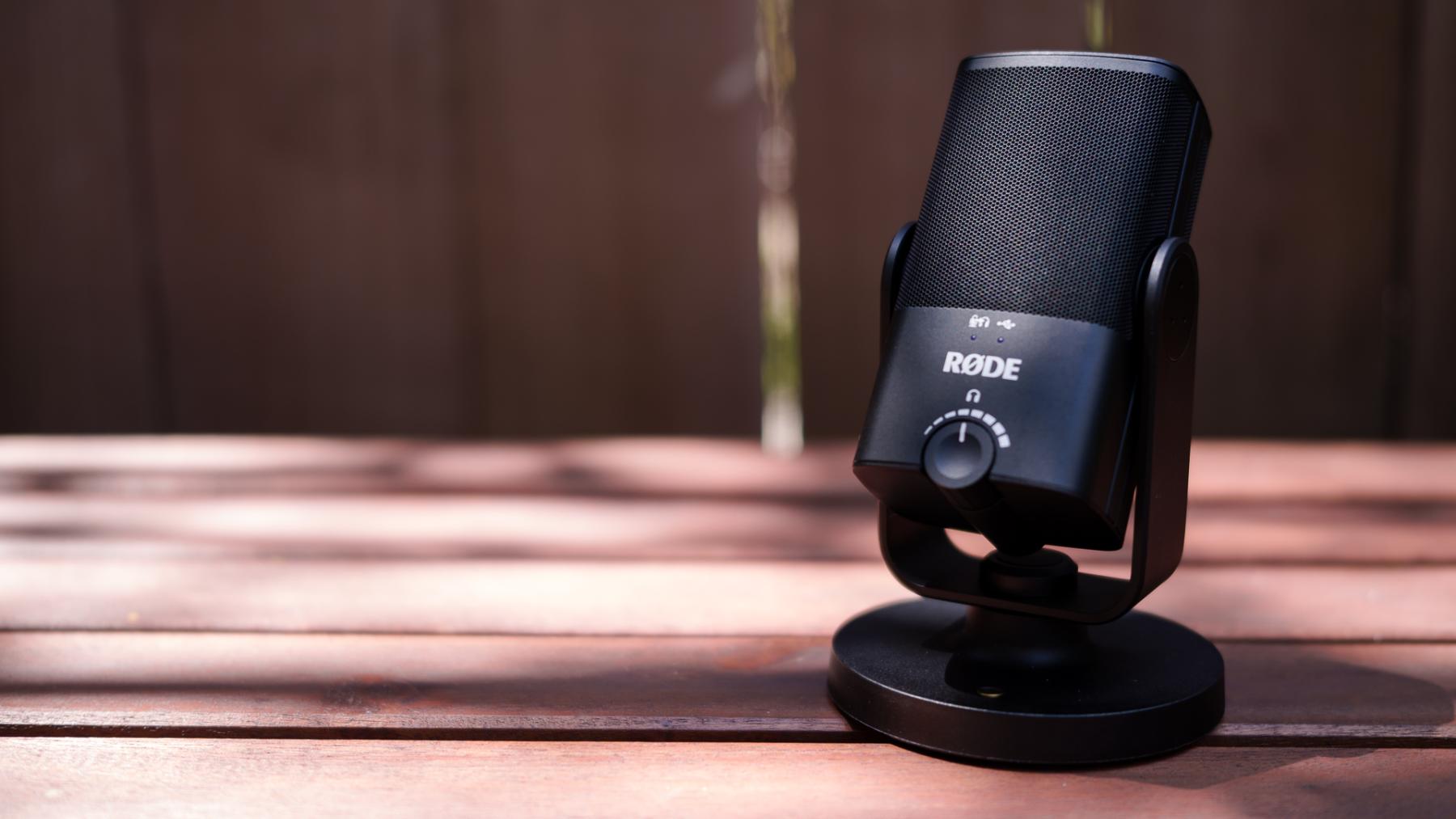
📌 Type: USB condenser microphone — plug & play, no interface required
📊 Technical Specifications
- Polar Pattern: Cardioid — focused front pickup.
- Connection: USB-C direct to computer.
- Frequency Response: Approx. 20 Hz – 20 kHz
- Zero-Latency Monitoring: Supported.
🎙️ Pros 
✔ True plug & play, no extra equipment needed.
✔ Good sound quality for USB microphones.
✔ Headphone monitoring with zero latency.
❌ Cons 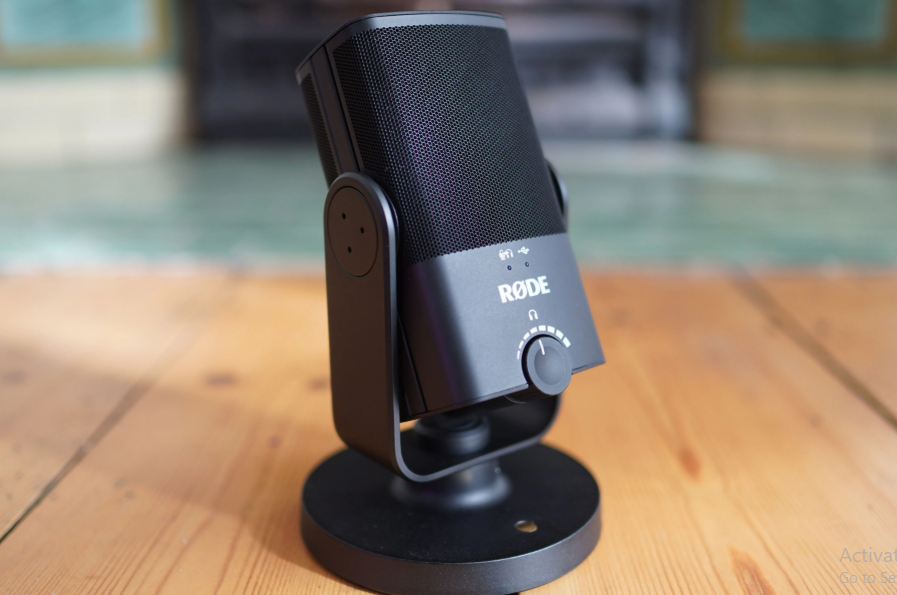
⚠ Lower quality compared to professional XLR microphones.
⚠ Limited control over recording environment.
📌 Best for: Live streaming, podcasting, YouTube, online communication.
🎤 4) Samson C01 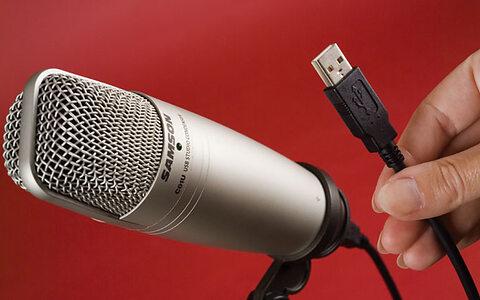
📌 Type: XLR studio condenser microphone
📊 Technical Specifications
- Polar Pattern: Cardioid
- Diaphragm Size: Large (~19 mm)
- Frequency Range: Approx. 40 Hz – 18 kHz
- Requires Phantom Power (36–52V)
- Phantom Power LED indicator
🎙️ Pros 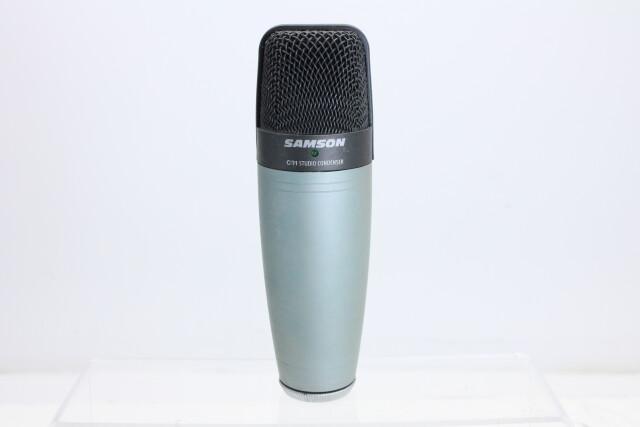
✔ Warm and natural sound.
✔ Solid professional build.
✔ Power indicator LED.
❌ Cons
⚠ Picks up more background noise in untreated rooms.
⚠ Performs best with stable Phantom Power.
📌 Best for: Vocals and acoustic instrument recording.
🎤 5) MXL 770 
📌 Type: Mid-range studio condenser microphone
📊 Technical Specifications
- Polar Pattern: Cardioid
- Diaphragm: 22 mm gold-sputtered
- Frequency Response: 30 Hz – 20 kHz
- Max SPL: ~137 dB
- Extra Features:
• High-pass (low-cut) filter
• -10 dB PAD for loud sound sources
🎙️ Pros 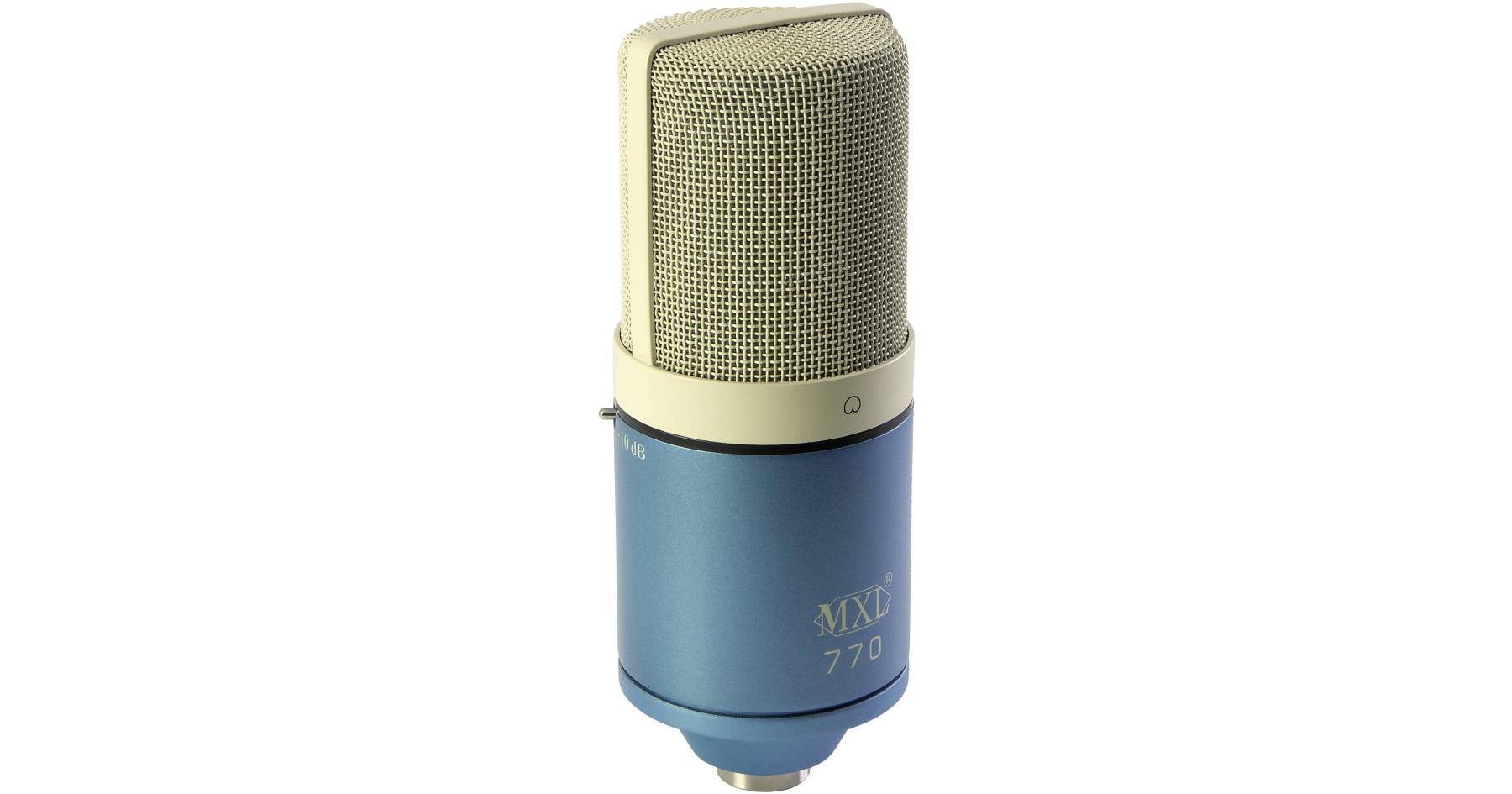
✔ Warm, rich, professional sound.
✔ Built-in PAD and low-cut filter.
✔ Often includes shock mount.
❌ Cons 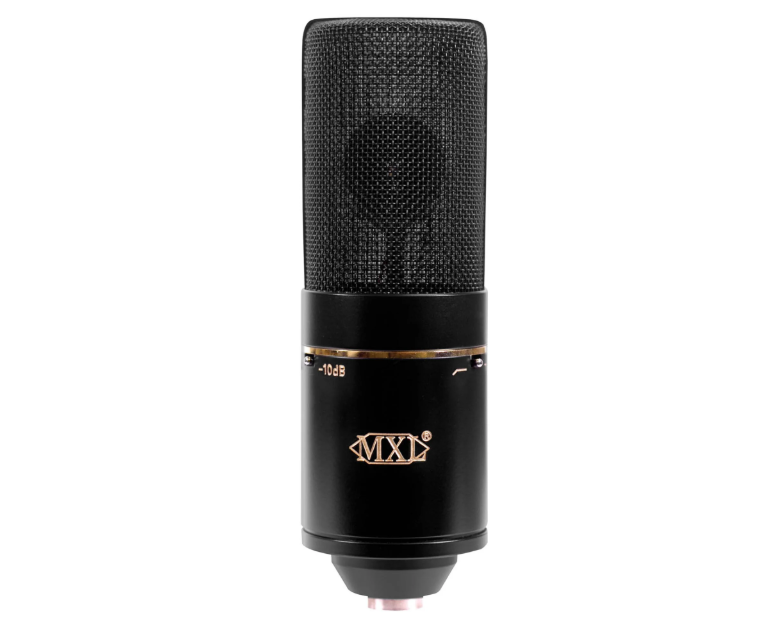
⚠ Requires audio interface and Phantom Power.
⚠ Slightly more expensive than entry-level models.
📌 Best for: Vocals, instruments, and professional music recording.
📌 Quick Comparison Table
| Microphone | USB / XLR | Phantom Power | Best Use | Extra Features |
|---|---|---|---|---|
| AT2020 | XLR | ✔ Yes | Vocals, Podcast, Instruments | Clean, balanced sound |
| Behringer C-1 | XLR | ✔ Yes | Budget beginners | Excellent value |
| RØDE NT-USB Mini | USB | ❌ No | Streaming & Podcasting | Easy setup |
| Samson C01 | XLR | ✔ Yes | Vocals & Instruments | Warm sound |
| MXL 770 | XLR | ✔ Yes | Music recording | PAD + Low-cut |
🧠 Buying Tips
🔹 Proper room treatment greatly improves recording quality.
🔹 Beginners without an audio interface should start with USB microphones like RØDE NT-USB Mini.
🔹 For higher-quality home studios, choose MXL 770 or AT2020 with a good audio interface.