🎤 1) Blue Yeti USB – The Most Popular Multi-Pattern Microphone 
📊 Technical Specifications
✔ Type: USB Condenser Microphone — Plug-and-Play with no audio interface required.
✔ Polar Patterns: 4 modes — Cardioid, Omnidirectional, Bidirectional, Stereo — excellent flexibility for different recording scenarios.
✔ Frequency Response: 20 Hz – 20 kHz — covers the full human vocal and instrument range.
✔ Bit Rate: 16-bit / 48 kHz — solid standard quality for podcasting and streaming.
✔ Headphone Output: Zero-latency monitoring.
🎧 Sound Quality 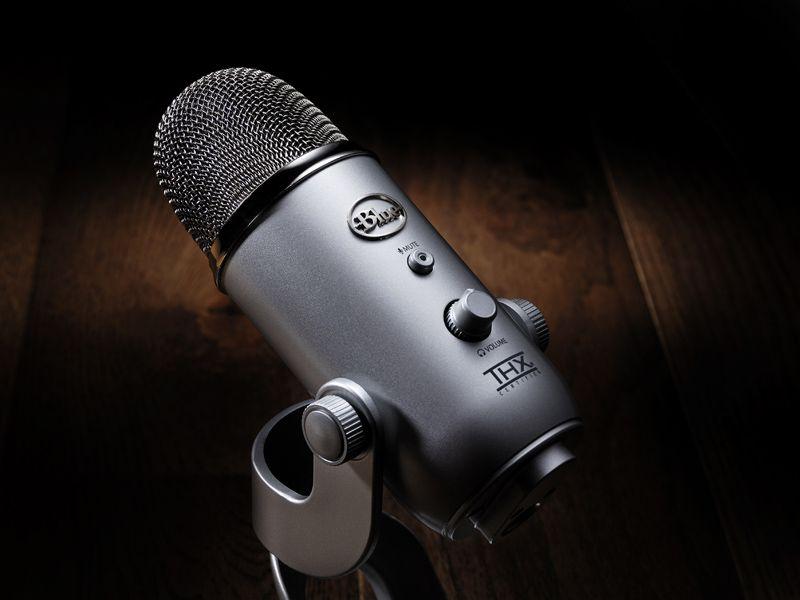
Very good sound quality for a mid-to-high-end USB microphone. Delivers clear audio with solid body, especially when choosing the correct pickup pattern for podcasts, streaming, or interviews.
✅ Pros
✔ Multiple polar patterns — unmatched versatility in this category.
✔ Zero-latency headphone monitoring.
✔ Extremely easy to use — simple USB connection.
✔ On-mic controls (Gain, Mute, Volume).
⚠ Cons 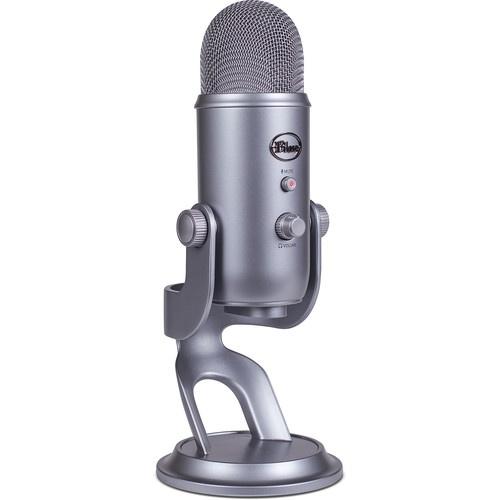
❌ Large and heavy — takes noticeable desk space.
❌ No strong built-in pop filter — external pop filter recommended.
❌ Can pick up background noise in untreated rooms.
❌ USB only — not compatible with professional XLR interfaces.
🎯 Best For
📍 Podcasting
📍 Live streaming
📍 Multi-person interviews
📍 YouTube and educational videos
💰 Approximate Pricing 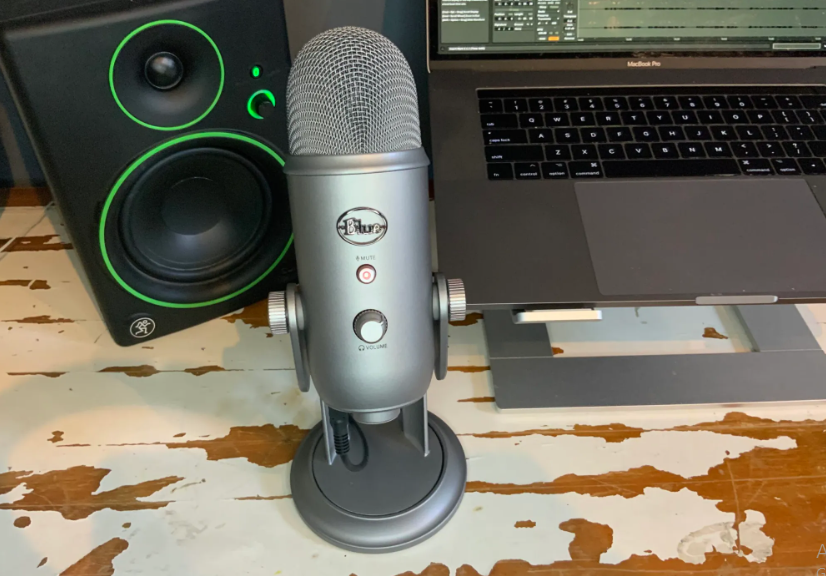
• Egypt: Around 6,000 – 12,000 EGP depending on seller and version.
• Other Arab countries: Approximately $250 – $450.
🎤 2) RØDE NT-USB / NT-USB+ – Studio-Quality USB Microphone 
📊 Technical Specifications
✔ Type: USB Condenser Microphone with premium internal design.
✔ Polar Pattern: Cardioid — focuses on front sound and minimizes background noise.
✔ Frequency Response: 20 Hz – 20 kHz.
✔ Bit Depth: 16-bit/48 kHz (NT-USB) — up to 24-bit/48 kHz on NT-USB+.
✔ 3.5 mm Headphone Output with volume control.
✔ Usually includes Pop Filter, Desk Stand, and USB Cable.
🎧 Sound Quality 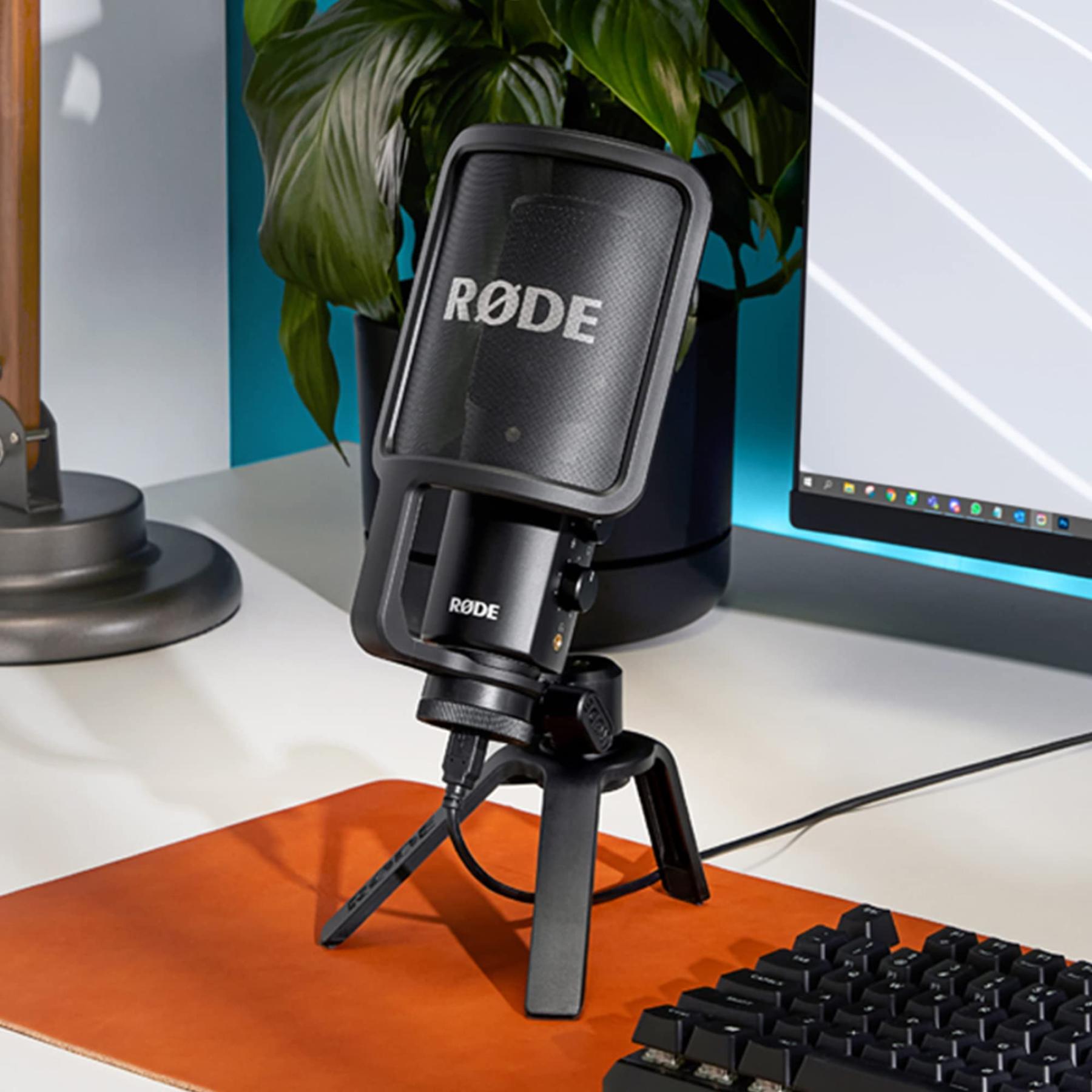
Delivers clean, detailed audio suitable for podcasting, voice-over work, and light vocal recording. Excellent clarity and low noise for its price range.
✅ Pros
✔ Plug-and-Play simplicity.
✔ Clean and detailed sound.
✔ Included pop filter.
✔ Direct headphone monitoring.
✔ Solid build quality for home studios.
⚠ Cons 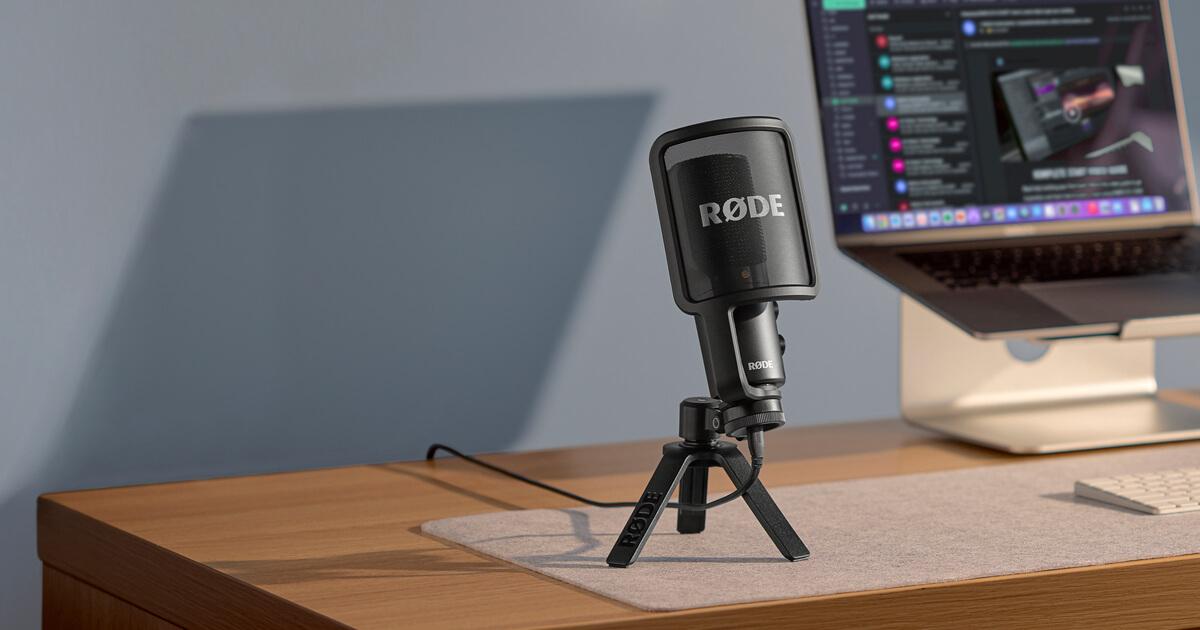
❌ Single polar pattern only.
❌ Included desk stand could be sturdier.
❌ Best results may require software tuning.
🎯 Best For
📍 Professional podcasting
📍 Voice-over recording
📍 Live streaming
📍 Vocal recording in quiet environments
💰 Approximate Pricing
• Egypt & Arab region: Around 8,500 – 10,000 EGP.
• Other regions: Approximately $250 – $500.
🎤 3) Maono USB Condenser (AU-A04 / AU-A04T) 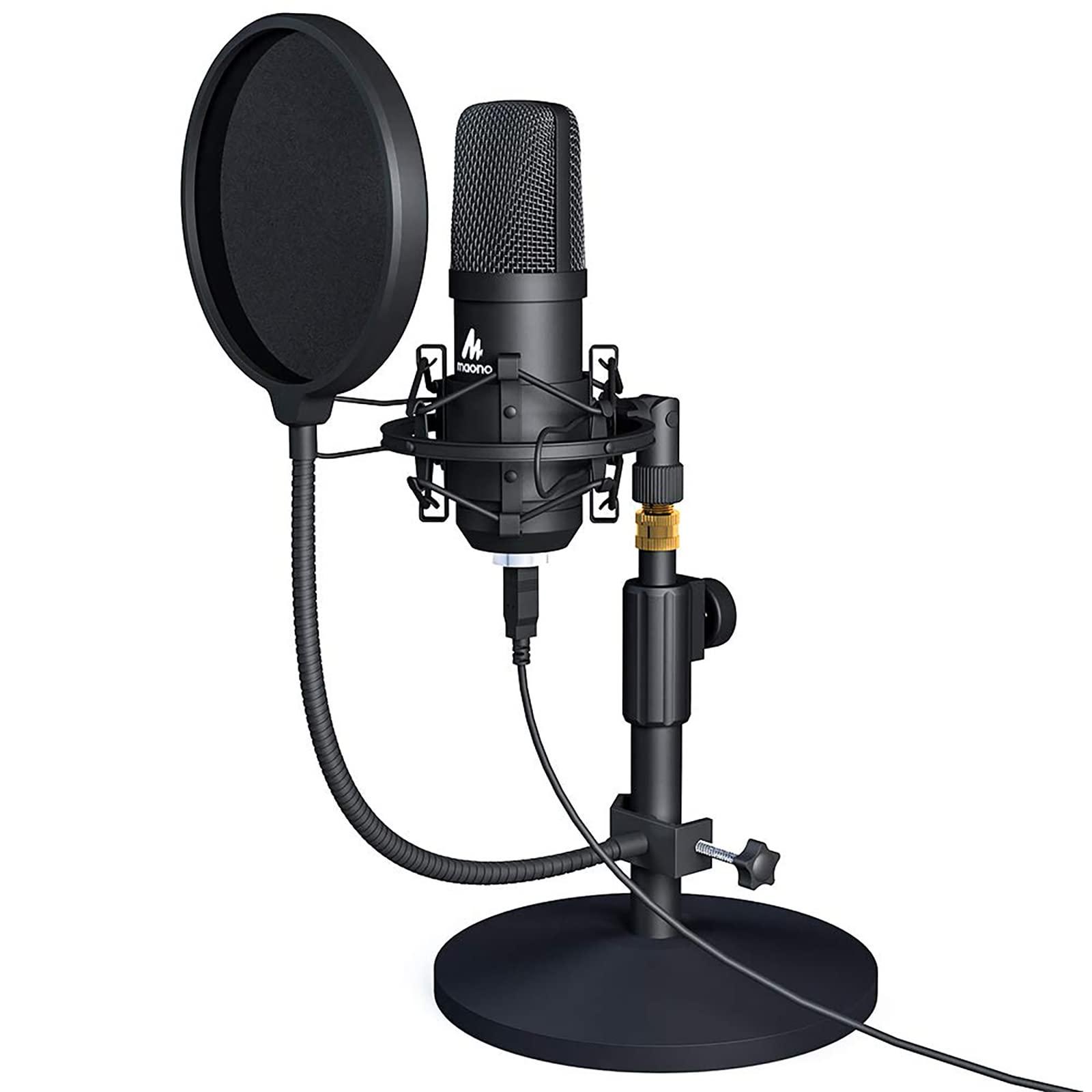
📊 Technical Specifications
✔ USB Condenser Microphone.
✔ Cardioid pickup pattern.
✔ Frequency response approx. 20 Hz – 20 kHz.
✔ Often sold as a full kit (Boom Arm, Pop Filter, Shock Mount).
🎧 Sound Quality
Good sound quality for the price — clear enough for podcasts and streaming, though not as detailed as higher-end models.
✅ Pros 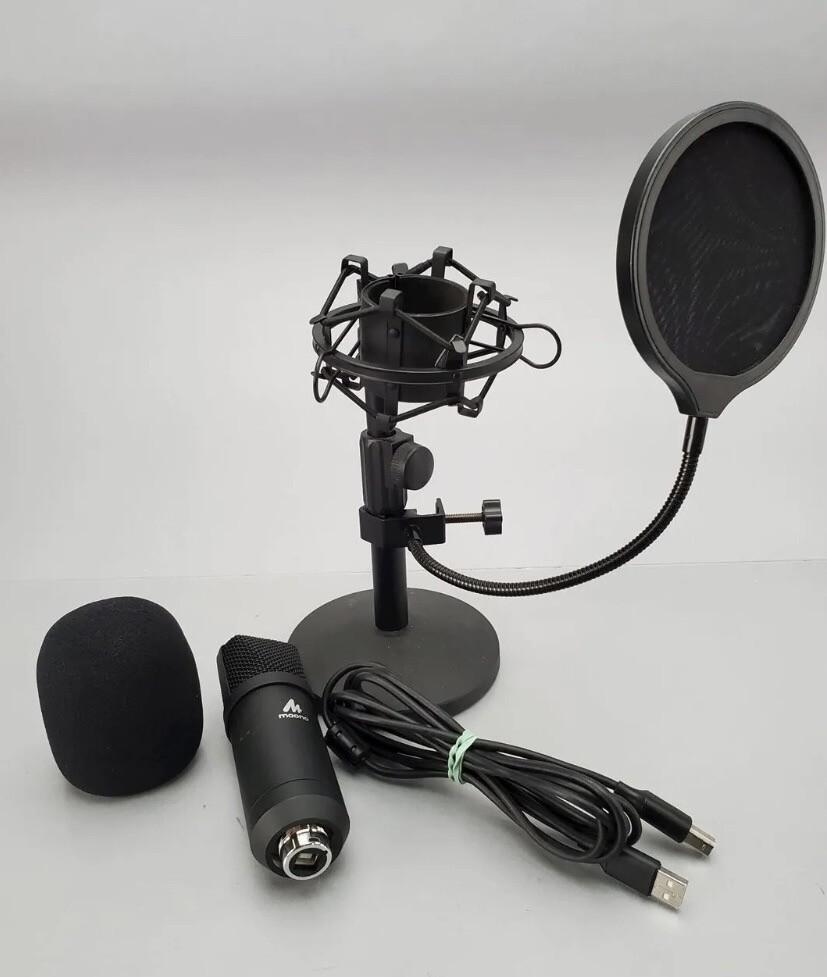
✔ Easy setup.
✔ Complete accessory bundle.
✔ Excellent value for beginners.
⚠ Cons
❌ Picks up background noise in untreated rooms.
❌ Accessories may feel less durable.
❌ Limited on-mic controls on some versions.
🎯 Best For 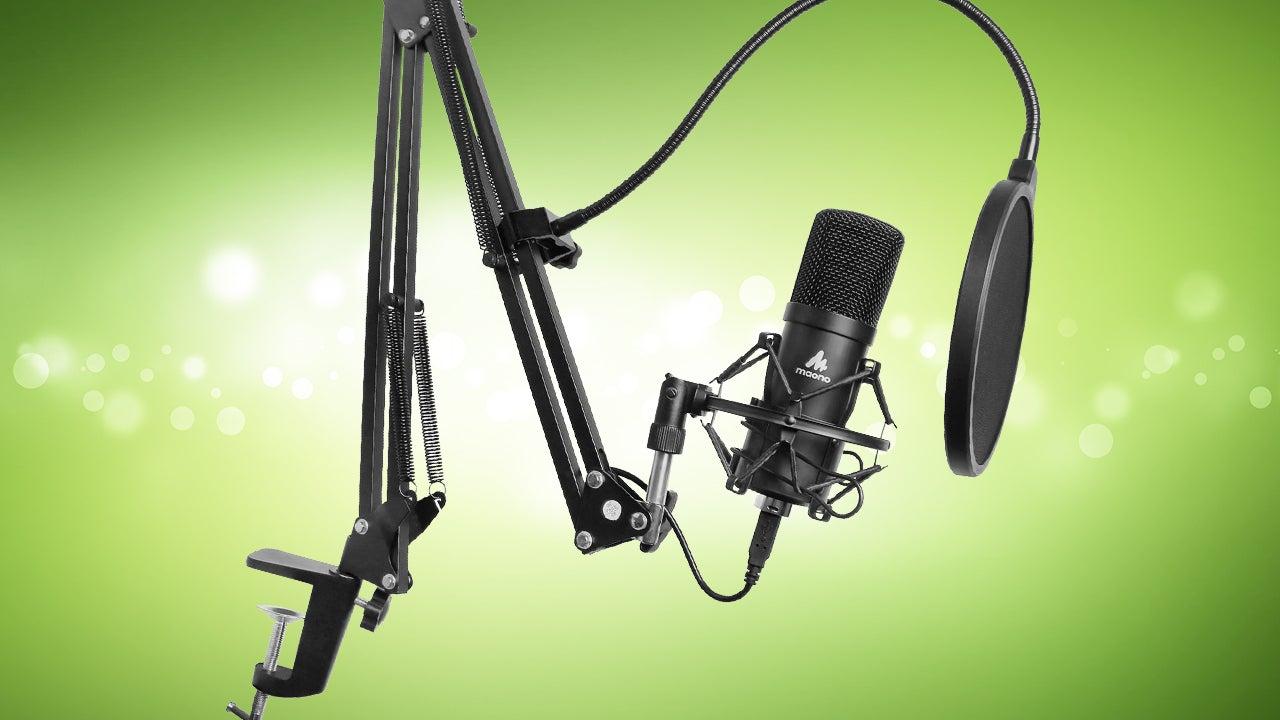
📍 Home podcasting
📍 Basic YouTube voice recording
📍 Budget-conscious creators
🎤 4) Comica USB Condenser Microphones (General) 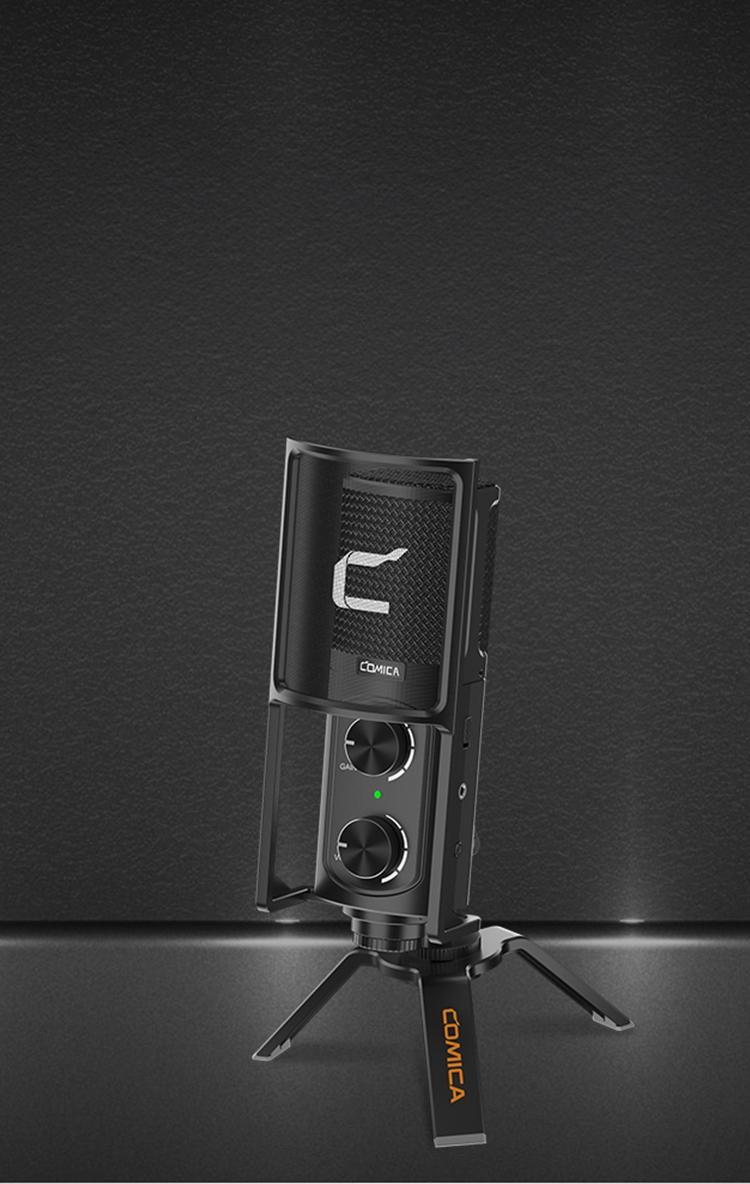
Note: Comica offers several USB models, ranging from basic to semi-professional.
📊 General Specifications
✔ USB Plug-and-Play.
✔ Mostly Cardioid pickup.
✔ Covers standard vocal frequency range.
🎧 Sound Quality
Good to very good depending on the model. Suitable for home podcasting and streaming, though generally less detailed than Blue Yeti or RØDE NT-USB.
✅ Pros 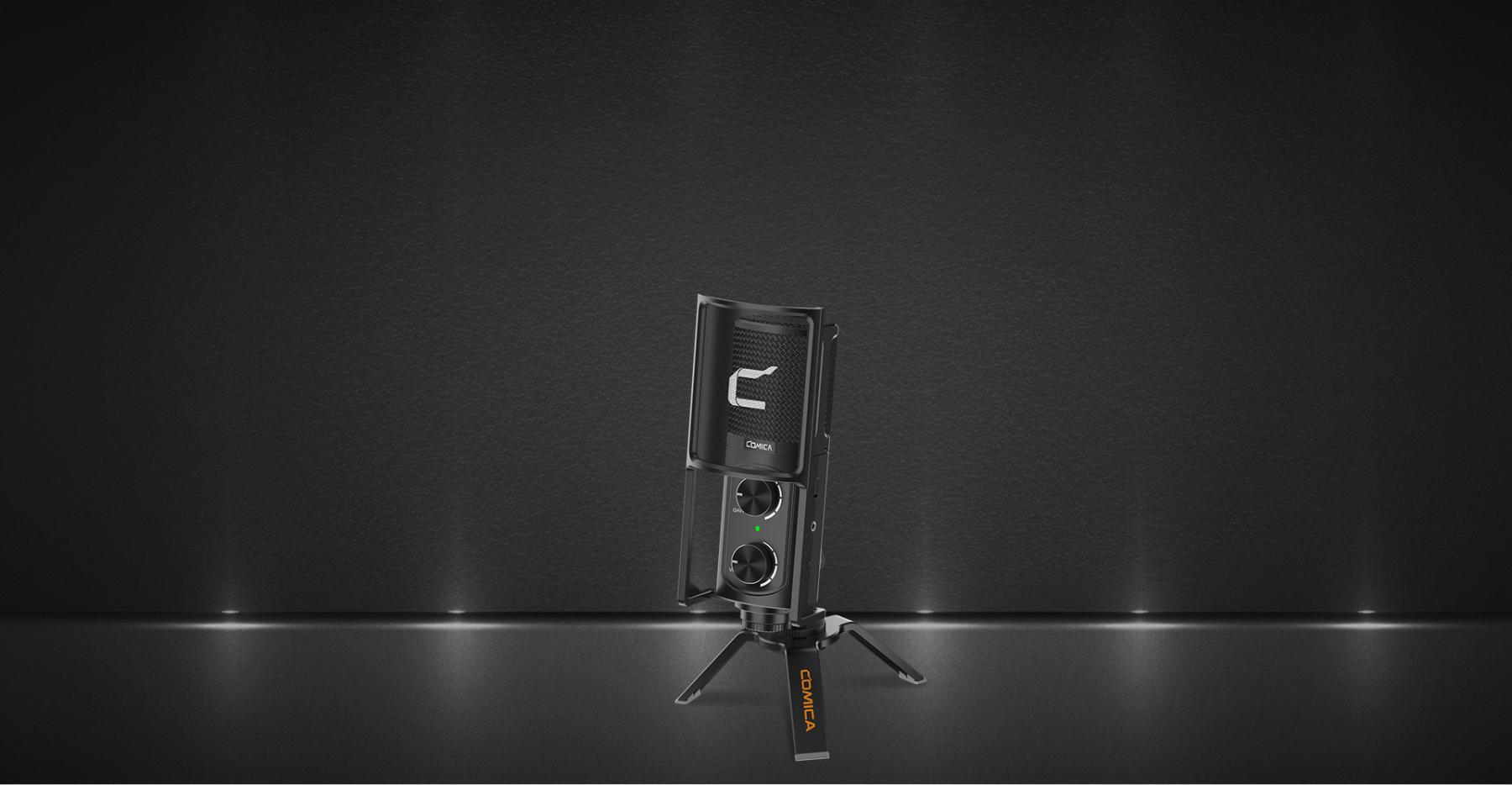
✔ Affordable pricing.
✔ Easy to use.
✔ Some models include headphone monitoring and gain control.
⚠ Cons
❌ Lower sound refinement than premium competitors.
❌ Requires good room treatment for best results.
🎯 Best For 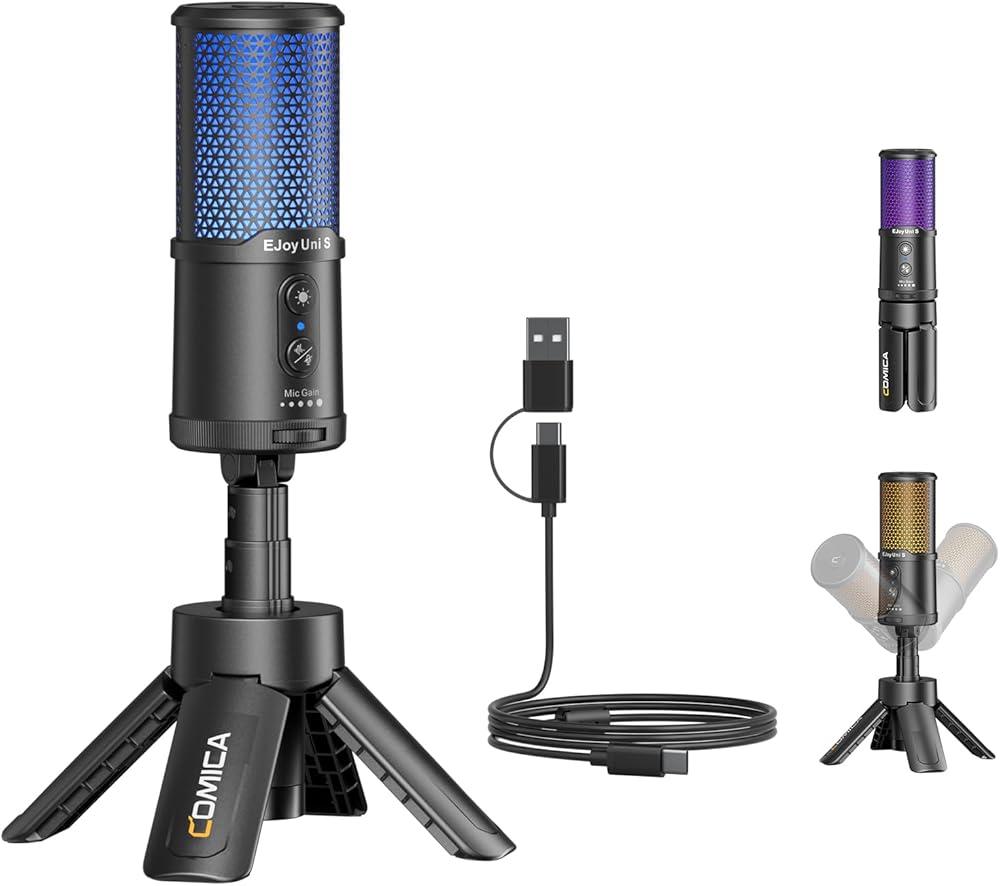
📍 Home streaming
📍 Mid-quality podcasting
📍 Entry-level to semi-pro recording
📌 Tips for Better Sound with USB Microphones
🔸 Keep the mic 10–15 cm from your mouth.
🔸 Use basic acoustic treatment (foam or panels).
🔸 Always use a pop filter.
🔸 Cardioid mode is usually best for podcasting and streaming.