Researchers Discover Brain Changes in Former Football Players Without Cognitive Decline
A new study has revealed structural differences in the brains of retired British professional footballers, along with higher rates of anxiety and depression, but no signs of cognitive decline or mental deterioration.


🧠 Study Reveals Possible Long-Term Effects of Football on Former Players’ Brains
Medical scans of retired British professional football players have shown structural differences in the brain, as researchers continue to investigate whether repeated impacts, including heading the ball, could be linked to an increased risk of dementia later in life.
Although the study found some structural brain differences and higher levels of anxiety and depression among participants, researchers confirmed that there were no clear signs of cognitive decline or reduced mental abilities among the former players.
🔬 Details of the Scientific Study
The research was conducted by scientists at Imperial College London and included 142 former football players aged between 30 and 60 years old.
Their results were compared with a control group of 56 people from the same age range who had no history of contact sports, military service, or previous concussion injuries.
The researchers used advanced brain imaging techniques along with psychological and cognitive assessments to better understand the possible long-term effects of professional football participation.
⚽ Studying the Impact of Heading the Ball
The research comes amid growing global interest in understanding the relationship between football and head injuries, especially due to repeated collisions and heading incidents during matches and training sessions.
Scientists are working to determine whether these repeated impacts could contribute to a higher risk of dementia or other neurological conditions as players grow older.
Researchers stressed that the findings do not prove a direct link between playing football and cognitive decline, but they provide valuable information about the potential long-term effects of the sport.
🏆 Importance of the Findings for Football’s Future
This study is part of ongoing scientific efforts aimed at improving player safety and developing measures to reduce head-related injury risks while preserving the nature and competitiveness of football.
Researchers will continue monitoring former players over longer periods to determine whether the observed brain changes could lead to future health effects or remain differences without a significant impact on mental abilities.

Global reports have revealed growing interest in signing Omar Marmoush, Manchester City and Egypt forward, with several English clubs monitoring his situation during the current summer transfer window.

Egypt national team head coach Hossam Hassan praised his players after their impressive performance at the 2026 FIFA World Cup, revealing the details of his motivational speech during the match against New Zealand and explaining his approach to building a fearless team. 🇪🇬
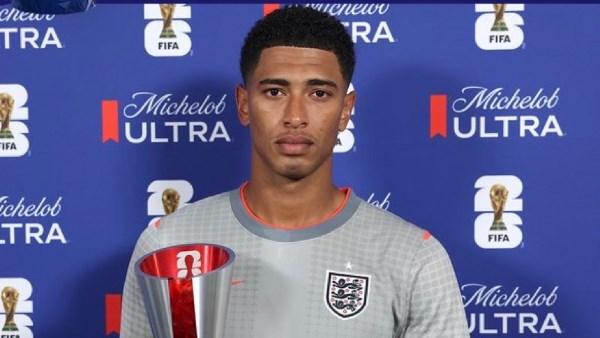
Jude Bellingham continued to make history with England after scoring twice in the 2-1 victory over Norway, sending the Three Lions into the FIFA World Cup 2026 semi-finals and achieving several impressive milestones.

Global refereeing analysis network "Archivo VAR" has strongly criticized Portuguese referee Joao Pinheiro for his performance during Argentina’s quarter-final clash against Switzerland at the FIFA World Cup 2026.
