
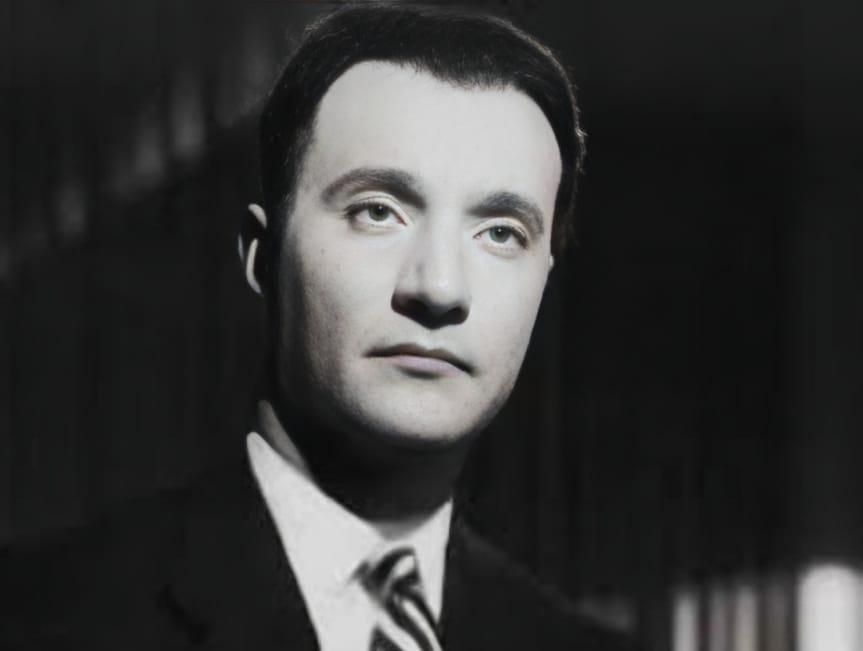
Mohamed Abdel Wahab
Mohamed Abdel Wahab
Contact
Available NowOverview
Egyptian Singer, Composer and Actor
Description
Mohamed Abdel Wahab
Egyptian Singer, Composer, and Actor
🗓 Born: March 13, 1898 – 📍 Cairo, Khedivate of Egypt
🕊 Died: May 4, 1991 (aged 93) – 📍 Cairo, Egypt
⚰ Cause of Death: Stroke
🌍 Nationality: Egyptian
☪ Religion: Islam
💍 Spouse: Nahla Al-Qudsi (1958–1991)
👨👩👧👦 Family:
👨 Father: Sheikh Mohamed Abu Issa
👩 Mother: Fatima Hegazy
Artistic Career
🎼 Nickname: The Musician of Generations
🎶 Genres: Arabic music, Egyptian music
🎸 Instruments: Oud
🏛 Record Label: EMI Classics
🎓 Education: Arabic Music Institute
🎤 Profession: Singer, Composer, Actor
📆 Years Active: 1917 – 1991
🏅 Notable Works: Libyan National Anthem, Bilady Bilady
Early Life and Beginnings
📍 Mohamed Abdel Wahab was born in Bab El-Shaaria, Cairo, after his family moved from Sharqia Governorate. His father was a muezzin and Quran reciter at Sidi El-Shaarani Mosque. He was enrolled in a Quran school but was drawn to music, inspired by great singers like:
🎤 Sheikh Salama Hegazy
🎤 Abdel Hay Hilmi
🎤 Saleh Abdel Hay
🎭 He started singing at an early age with Fawzi Al-Gazairli's troupe in 1917, using the stage name "Mohamed Al-Baghdadi" to avoid his family's disapproval. Later, he joined the Oriental Music Club (now the Arabic Music Institute), where he learned the oud from Mohamed El-Qasabgi and performed with Ali Al-Kassar and Naguib El-Rihani.
🎵 He met Sayed Darwish, who admired his talent and invited him to his troupe, but this partnership was cut short due to Darwish's early death.
Relationship with Ahmed Shawqi
📜 In 1924, Prince of Poets Ahmed Shawqi attended one of Abdel Wahab's concerts and became his mentor, introducing him to influential figures like:
📖 Taha Hussein
📖 Abbas Mahmoud Al-Aqqad
📖 Al-Mazni
🎭 Saad Zaghloul
🎭 Ahmed Maher Pasha
🎼 Abdel Wahab composed several of Shawqi's poems, including:
🎶 "Mounak Jafahu Marqaduhu"
🎶 "Damascus"
🎶 "The Nile Najashi"
Contributions to Arabic Music
🎵 Despite his mastery of traditional Arabic music, Abdel Wahab was criticized for "Westernizing" it by incorporating elements like:
🎼 Waltz rhythms in "Al-Gondol" (1941)
🎸 Rock and roll influences in "Ya Qalbi Ya Khali" (sung by Abdel Halim Hafez in 1957)
🇪🇬 Egyptian National Anthem:
🎖 In the 1970s, President Anwar Sadat assigned him to rearrange "Bilady Bilady", originally composed by Sayed Darwish, as Egypt's official national anthem, incorporating Egyptian military bands.
Compositions for Prominent Singers
🎤 Umm Kulthum
🎤 Abdel Halim Hafez
🎤 Fairuz
🎤 Laila Mourad
🎤 Nagaat El Saghira
🎤 Fayza Ahmed
🎤 Warda Al-Jazairia
🎤 Sabah
🎤 Talal Maddah
🎤 Asmahan
🎼 He was also the first to discover Ihab Tawfik in the late 1980s.
Death and Legacy
🕊 Mohamed Abdel Wahab passed away on May 4, 1991, at the age of 93 due to a stroke, leaving behind a musical legacy spanning over seven decades.
🏆 Awards and Honors:
🎖 Order of Merit, First Class
🎖 Order of Arts and Sciences
🎖 Honorary Brigadier General rank from President Sadat
🔹 Mohamed Abdel Wahab was not just a musician but a cultural icon who shaped generations of Arabic music and left an everlasting mark on its history.

Suggested Results

Biography of the Iconic Actor Adel Emam

Amr Saad's Biography
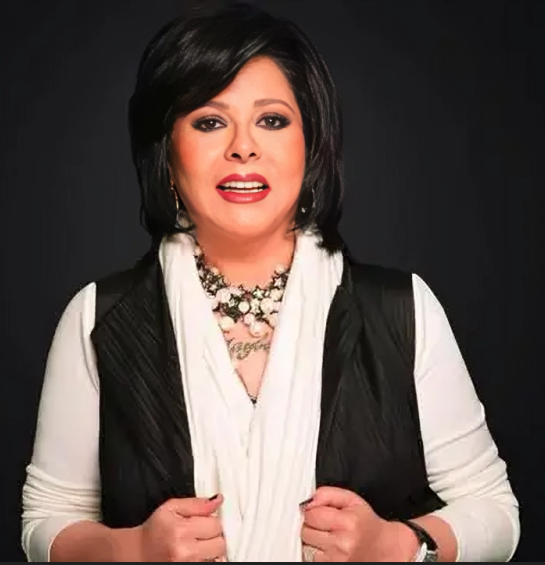
is one of the most prominent artistic and media figures in Egypt and the Arab world.

one of the greatest actresses in Egypt and the Arab world
