
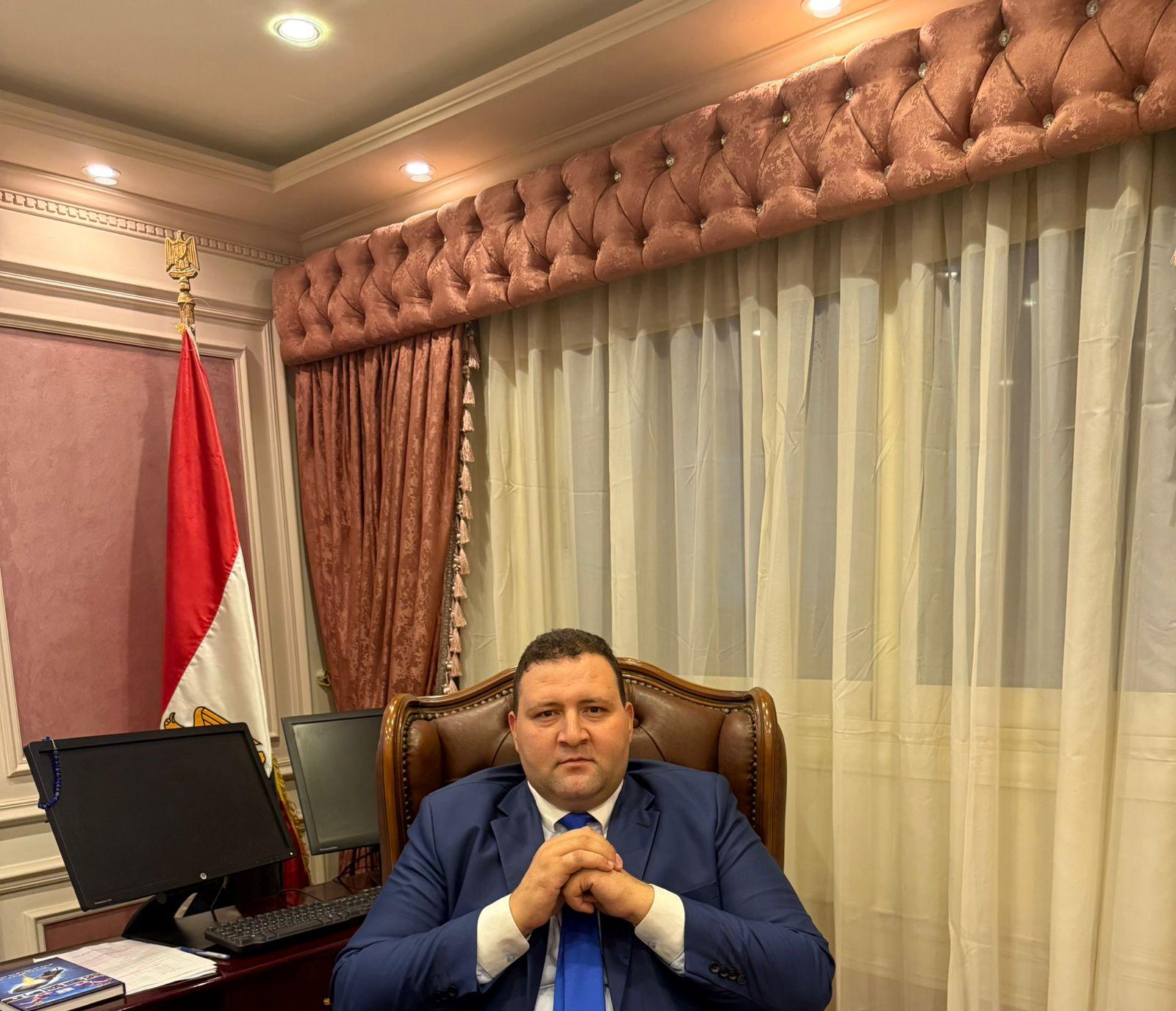
Mahmoud Al-Taras
Mahmoud Al-Taras
Overview
The man who emerged from the heart of Giza Governorate to become an influential voice in the skies of Egyptian politics and media
Description
Mahmoud Al-Taras
Public Figure – Political and Media Leader
About Mahmoud Al-Taras 🌟
Mahmoud Al-Taras, the man who emerged from the heart of Giza Governorate to become an influential voice in the skies of Egyptian politics and media, was born on January 15, 1992. His story tells of a young man carrying deep love for his homeland and a firm resolve for constructive change. Since his early days, he has embodied the spirit of young leadership with a clear vision and an inexhaustible passion to elevate Egypt’s position both regionally and internationally—not only through words but through tangible actions and initiatives that have positively impacted many lives. This has made him one of the most prominent political and media figures, blending wisdom and courage, experience and ambition, truly a beacon for Egypt’s promising youth.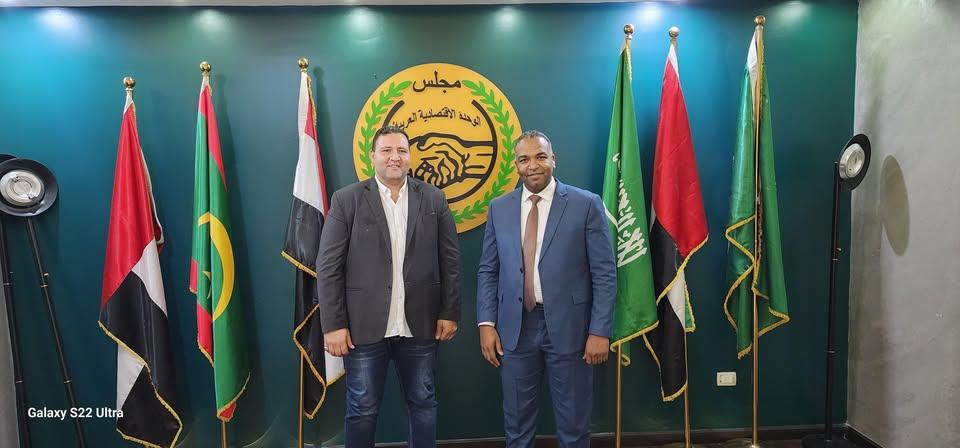 Qualifications and Professional Status 🎓
Although Mahmoud Al-Taras does not rely on a traditional university degree to prove his competence, his true qualifications stem from many years of political and administrative fieldwork. He has held the position of Vice President of the Human Rights and Citizenship Party and membership in its High Committee, in addition to his vital role as Vice President of the National Council, overseeing many important files that affect the present and future of the nation. He also chairs the board of Al-Mahmoud Companies, which represent a convergence point between economic activity and community development. This confirms his prestigious position as a figure who skillfully combines political work with economic and executive expertise, making him a role model for integrating political thought with practical economic action.
Career and Political Journey 🛠️
Mahmoud Al-Taras’s journey began with a firm belief in his role in serving his homeland and youth. He was among the first founders of the “Sisi, the Eagle of the Arabs” campaign, which aimed to strengthen national unity and consolidate ranks. He then actively participated in the “Tamarod” campaign that caused a notable shift in the Egyptian political landscape. Over the following years, Mahmoud did not limit himself to official positions but extended his activities to include developmental and social initiatives in the heart of Giza Governorate. He led and launched many projects that improved the quality of life for local residents and ensured signing cooperation protocols with various embassies and countries to enhance economic and diplomatic relations, building bridges of understanding and cultural and commercial exchange. He also represents Egypt at important international conferences and events, being the voice of Egyptian youth and their issues on global platforms.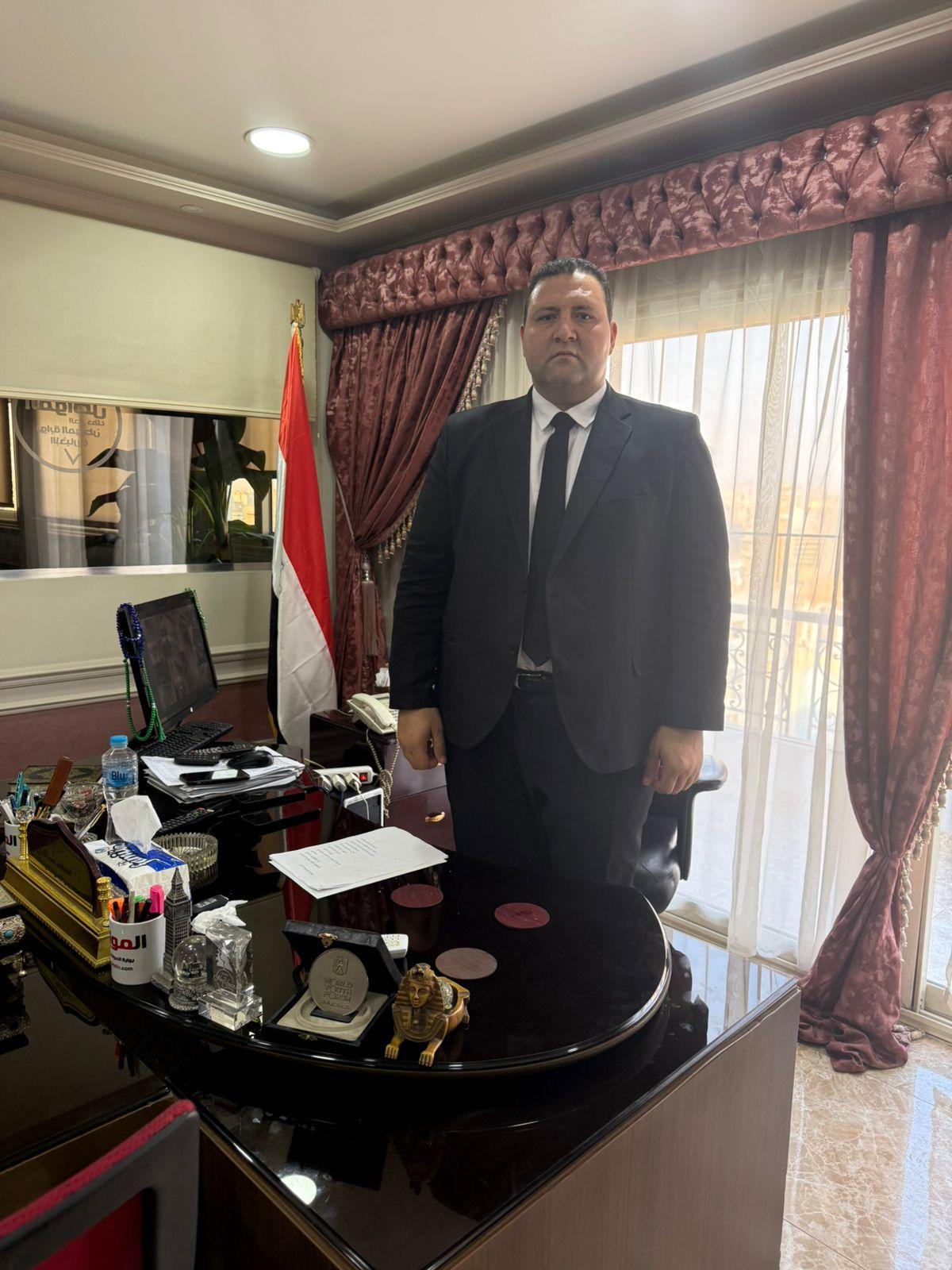 Services and Initiatives Offered 🎯
Mahmoud Al-Taras possesses a unique ability to make a real difference by providing comprehensive developmental services focused on improving the infrastructure of local communities in Giza Governorate. He also launches initiatives aimed at politically and socially empowering youth, supports human rights and citizenship causes, deeply believing that change starts with an active and educated civil society. He pays special attention to developing popular international cooperation systems that support the exchange of economic and cultural knowledge and expertise. In addition, he sponsors projects aimed at raising the level of public services and improving quality of life, thus advancing efforts to build a more cohesive and just nation.
Distinguishing Features of Mahmoud Al-Taras ⭐
Mahmoud Al-Taras’s strengths lie in his rare ability to blend the spirit of youthful leadership with deep practical experience. He possesses a strong strategic sense that enables him to draw a clear, directed roadmap to achieve national goals. He is characterized by a charismatic personality that draws attention, a high level of integrity and transparency that earns the trust of everyone, and a continuous enthusiasm for supporting youth initiatives and inspiring true citizenship spirit. In addition, his high competence in building alliances that support political and social work makes him a pivotal figure combining ambition and wisdom, fieldwork and strategic planning, making him a symbol of promising leadership.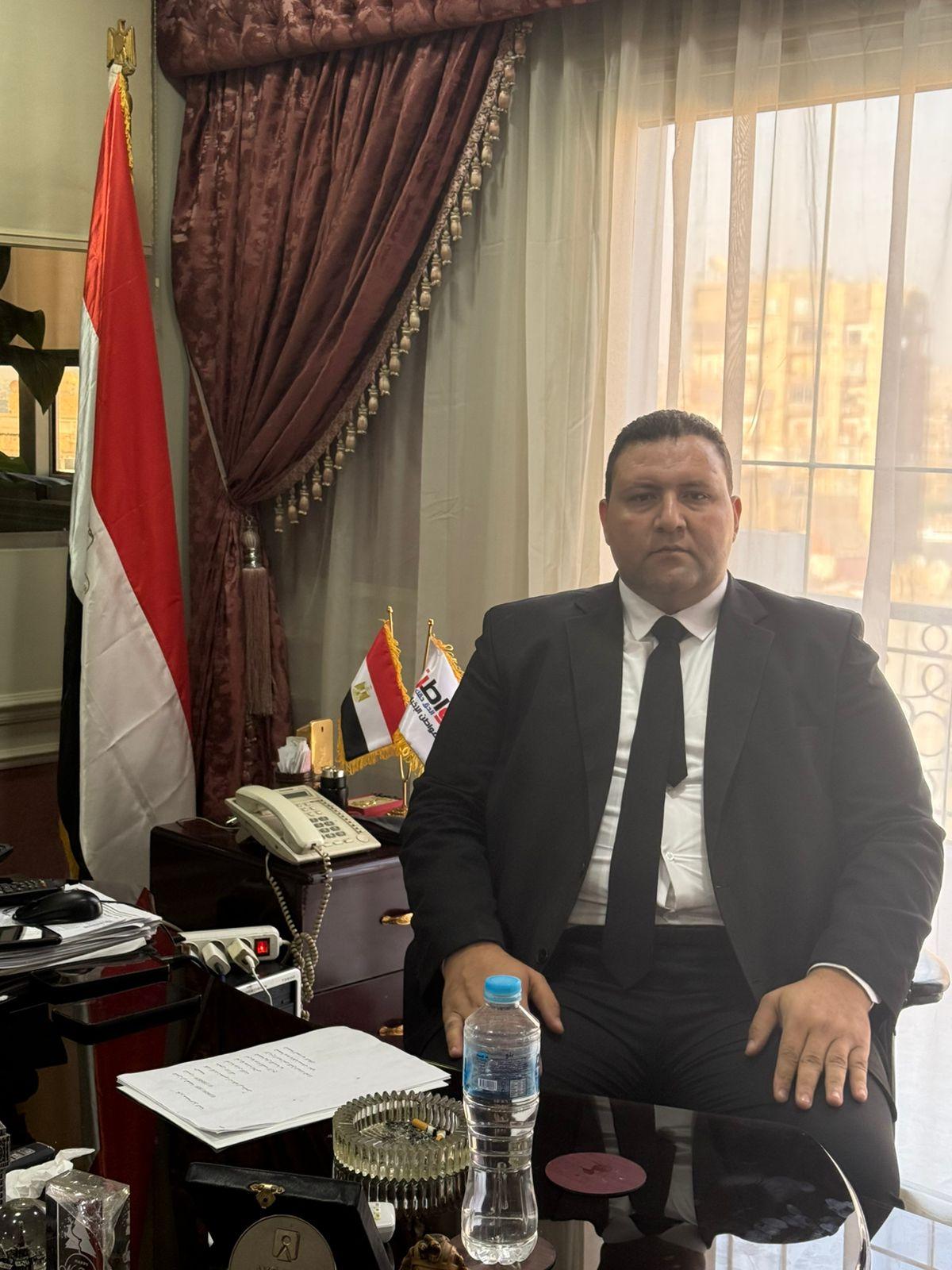 Why Choose Mahmoud Al-Taras? ✔️
Choosing Mahmoud Al-Taras means selecting a leader with a comprehensive national vision based on years of practical experience, successful political campaigns, and renewed community initiatives. He is a person who listens and innovates, placing the interests of the nation and citizens first. He does not shy away from confronting tough challenges or being swayed by appearances but relies on hard work, perseverance, and determination to achieve sustainable development, with a special focus on empowering youth and promoting human rights. The journey of change with him is not just a slogan but an ongoing success story making a real difference on the ground.
Contacting Mahmoud Al-Taras 📞
Mahmoud Al-Taras can be reached through various channels, as he is keen on continuous communication with the public via official social media platforms that serve as an open space for dialogue and discussion. His activities can also be followed through the “Citizen Gateway” news portal, where he serves as Vice Chairman of the Board. Additionally, it is possible to contact him through the political bodies in which he holds leadership roles, making him accessible to everyone for initiatives, consultations, or supporting various community issues.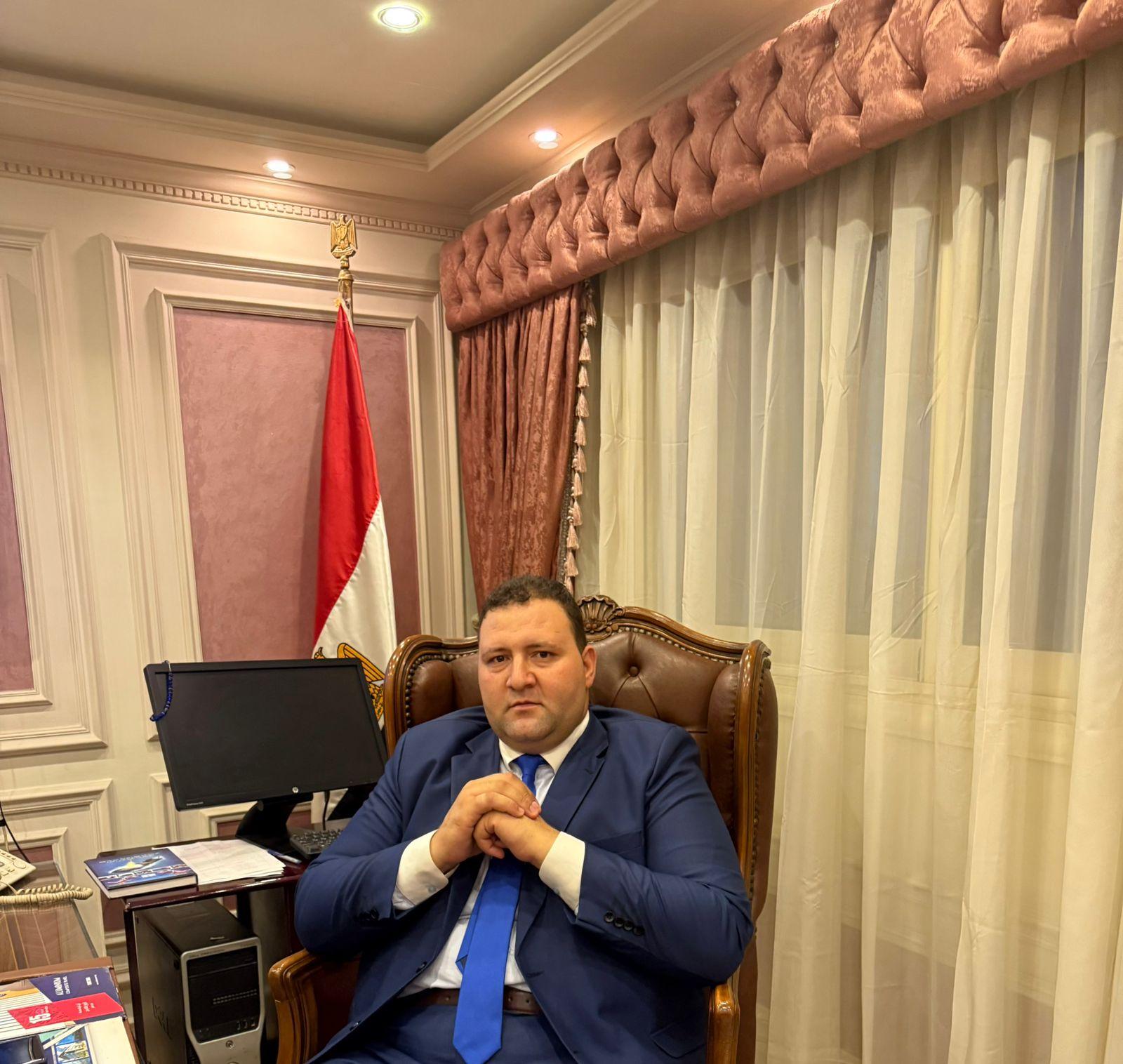
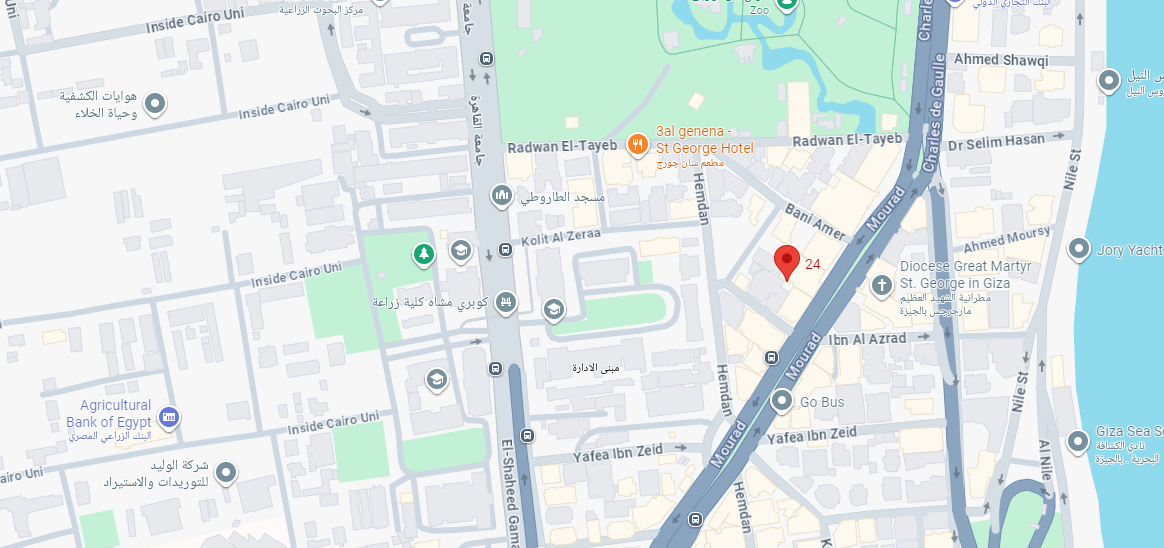
For those wishing to meet in person or exchange new ideas, Mahmoud Al-Taras is located in the heart of Giza city, at
**24 Murad Street, Giza, Egypt**,
and can be contacted by phone at
**010 44285758**,
where he warmly welcomes everyone and embraces every idea that lights the path of development, contributing to making the life of the Egyptian citizen more beautiful and complete, and a genuine step towards building a nation filled with hope and giving.
Inspiring Conclusion 🏁
Mahmoud Al-Taras remains a living example of the spirit of ambitious Egyptian youth who do not settle for dreams alone but become true agents of action. He leads the path of change with unwavering will and relentless determination, seeing in every challenge a new opportunity to enhance Egypt’s role among nations. Believing that the path to a prosperous future begins with every initiative, every word, and every step that builds bridges of communication and understanding, Mahmoud Al-Taras remains a shining flame guiding youth and motivating everyone to work for a homeland where the word is only a voice for truth, justice, and development.

Mahmoud El Terras is an Egyptian public figure, political leader, and media personality. He has served as Vice President of the Human Rights and Citizenship Party and as a member of its Supreme Committee. He has also held the position of Vice President of the National Council and chairs the board of directors of Al Mahmoud Companies. His work spans political and community engagement, initiatives supporting youth empowerment and human rights, citizenship programs, development projects, and economic and cultural cooperation.
Mahmoud El Terras is located at 24 Mourad Street, Giza, Egypt
