

Counselor Mansour Ghedain
Counselor Mansour Ghedain Attorney at the Court of Cassation and the Supreme Administrative Court
Overview
In a world where laws grow increasingly complex and legal and criminal challenges continue to escalate, the name Counselor Mansour Ghedain stands out as one of the prominent lawyers specialized in public funds cases, felonies, and major financial crimes. He is distinguished by deep legal expertise, precise understanding of complex case structures, and a high ability to develop strong defense strategies that achieve the best possible outcomes for clients.
Description
Counselor Mansour Ghedain ⚖️
Attorney at the Court of Cassation and the Supreme Administrative Court
Lawyer and Legal Consultant specialized in Public Funds and Felony Cases
In a world where laws grow increasingly complex and legal and criminal challenges continue to escalate, the name Counselor Mansour Ghedain stands out as one of the prominent lawyers specialized in public funds cases, felonies, and major financial crimes. He is distinguished by deep legal expertise, precise understanding of complex case structures, and a high ability to develop strong defense strategies that achieve the best possible outcomes for clients.
Counselor Mansour Ghedain is a licensed attorney before the Court of Cassation and the Supreme Administrative Court, providing professional legal services to individuals and companies, with a firm commitment to justice, protection of rights, and strong defense based on knowledge and experience.
A Legal Vision Based on Professionalism and Strength
Counselor Mansour Ghedain believes that a criminal case is not merely papers or legal texts, but rather the fate of individuals and entities, reputations, assets, and entire lives that may be affected by a single judicial decision.
Accordingly, his approach is based on:
Thorough study of each case file before taking any legal action
Precise legal analysis of all evidence and accusations
Building a comprehensive and strategic defense plan
Rapid legal action during critical stages
Full commitment to professional confidentiality and protection of client data
Main Legal Specializations
First: Public Funds Cases
Counselor Mansour Ghedain has extensive experience in handling public funds cases, known for their legal complexity and high sensitivity, including:
Embezzlement cases
Illegal seizure of public funds
Money laundering cases
Illicit enrichment cases
Cases related to regulatory and financial authorities
He is distinguished in these cases by his ability to dismantle evidence, analyze regulatory authority reports, and build a strong legal defense before the competent courts.
Second: Financial and Economic Crimes
Counselor Mansour Ghedain specializes in defending the accused and representing victims in financial cases such as:
Bounced checks
Fraud and deception
Bribery
Forgery of all types
Breach of trust
Banking and credit-related cases
His approach relies on practical experience in financial and economic laws, along with a solid understanding of banking systems and financial institutions.
Third: General Felonies
He possesses extensive experience in felony cases that require high legal skill and procedural precision, including:
Murder cases
Drug-related cases
Serious assault cases
Major criminal cases
In these cases, he gives utmost importance to investigation details, invalidity of procedures, legality of arrest and search, and contradictions in witness statements.
Fourth: Cybercrimes and Electronic Fraud
With technological advancement, new crimes have emerged that require a lawyer well-versed in both law and technology. Counselor Mansour Ghedain provides specialized legal services in:
Online fraud
Electronic blackmail
Account hacking
Misuse of social media platforms
Cyber and information crimes
With proper legal handling of digital evidence and technical reports.
Fifth: Cassation Appeals and Petitions for Re-Trial
As an attorney before the Court of Cassation, Counselor Mansour Ghedain specializes in:
Drafting and filing cassation appeals
Petitions for reconsideration
Reviewing criminal and economic judgments
Identifying legal and procedural errors in court rulings
This is a highly sensitive stage that requires advanced expertise in legal drafting and judicial analysis.
Sixth: Cases Before Economic Courts and State Security Courts
Counselor Mansour Ghedain undertakes representation in:
Cases before economic courts
Cases related to State Security Courts
With full compliance with the special rules and exceptional procedures governing such cases.
Legal Services Provided
Counselor Mansour Ghedain offers a comprehensive range of legal services, including:
Paid legal consultations:
By phone
Online
In-person
Full legal representation and defense before all levels of Egyptian courts
Drafting and preparation of:
Legal memoranda
Legal defenses
Appeals
Defense submissions
Comprehensive case and file review before initiating any legal action
Developing an effective legal defense strategy tailored to each case
Complete confidentiality and high professionalism throughout all stages of the case
Work Methodology
Counselor Mansour Ghedain’s work is based on:
Honesty and transparency with clients
Realistic evaluation of the legal position of each case
Avoiding unrealistic promises
Legal defense grounded in evidence and strong legal argument
Strict adherence to legal deadlines and procedures
Contact Information
📧 Email:
[email protected]
📱 WhatsApp (for quick consultations):
01002031453
📞 Phone:
01125776565
🕗 Daily Working Hours:
From 7:00 PM to 11:00 PM
💰 Consultation Payment Methods:
Vodafone Cash
instapay
(Payment available throughout the day)
Office Message
We always strive to achieve justice with integrity and strength, protect our clients’ rights according to the highest professional and ethical standards, and provide genuine legal defense built on experience, knowledge, and trust.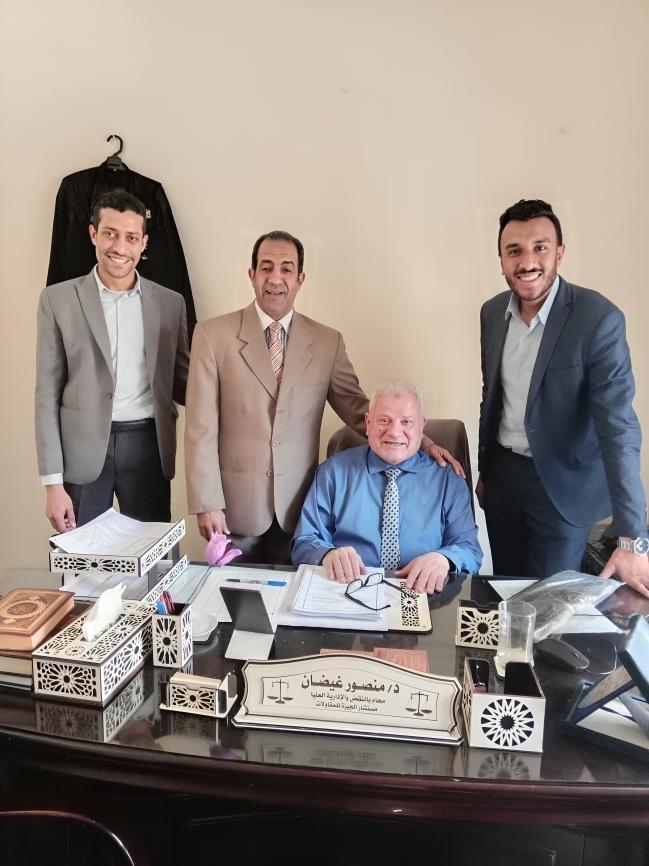

News & Articles

Public funds and money laundering cases are considered among the most serious criminal cases under Egyptian law, due to the severe legal consequences they entail, which may include aggravated imprisonment, confiscation, and the freezing of assets, in addition to their direct impact on the reputation and legal standing of the accused, even before a final judgment is issued.

Learn about Counselor Mansour Ghidan’s expertise in public funds and money laundering cases, offering professional legal services in Cairo with a strategic approach to protect clients’ rights and achieve optimal outcomes.

Cybercrime and Electronic Fraud Lawyer in Maadi – Counselor Mansour Ghaidan provides professional legal services in online fraud, cyber extortion, and account hacking cases. With extensive experience before the Court of Cassation and the Supreme Administrative Court, he delivers strategic legal representation aimed at protecting clients’ rights and securing the best possible outcomes.
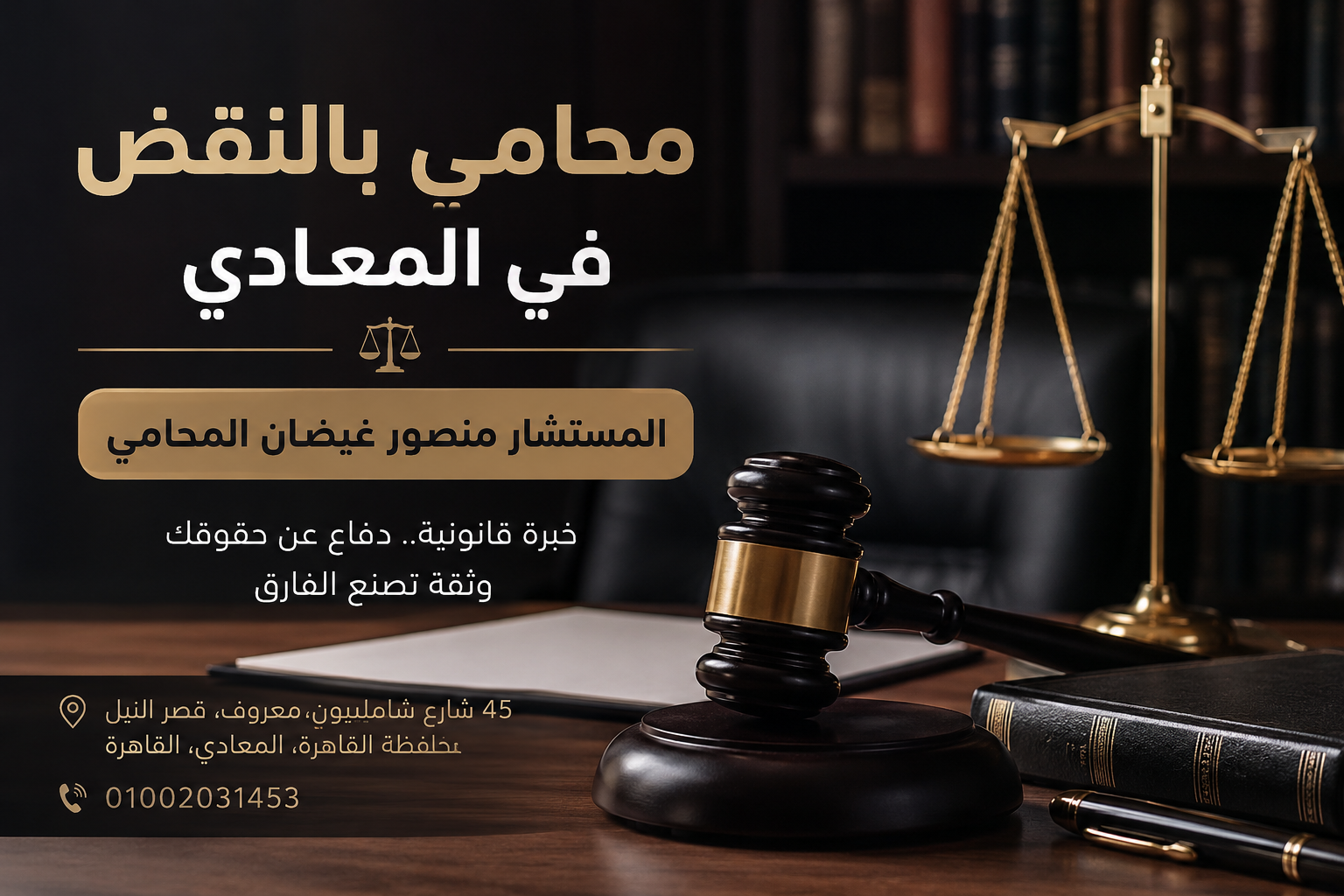
If you are looking for a Cassation Lawyer in Maadi, Counselor Mansour Ghaydan provides specialized legal services in criminal cases, public funds cases, appeals before the Court of Cassation, and professional legal consultations.

Learn about Counselor Mansour Ghaidan’s experience in general criminal cases, including murder cases, drug cases, serious assault cases, and major criminal cases.
Mansour Ghedain is an Egyptian lawyer admitted to practice before the Court of Cassation and the Supreme Administrative Court. He specializes in public funds cases, major criminal offenses, financial and economic crimes, and cybercrime. His services include legal consultations, courtroom representation, drafting legal memoranda and appeals, analyzing evidence, and developing tailored defense strategies while maintaining professional confidentiality and protecting clients' rights.
