
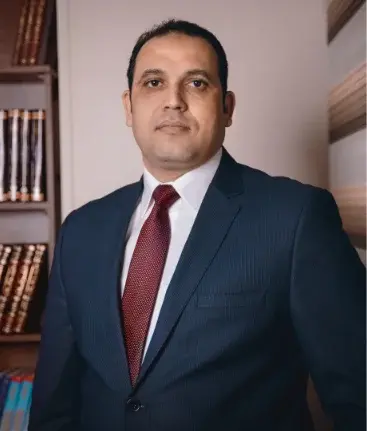
Counselor Hossam Hassan
Counselor Hossam Abdel Khalek – Documentation of Foreigners’ Marriage Contracts in Egypt and the Arab World
Overview
Attorney and Legal Consultant Hossam Abdel Khalek provides specialized legal services for the authentication and registration of foreign marriage contracts in Egypt, while handling all official procedures step by step. He ensures that all requirements are clearly explained and that documents are prepared accurately to minimize errors, avoid delays, and guarantee the completion of the process in accordance with approved legal procedures.
Description
Counselor Hossam Hassan – Foreign Marriage Contract Documentation in Egypt & the Arab World
Counselor Hossam Hassan provides specialized legal services for documenting foreign marriage contracts in Egypt and following up official procedures step by step. We clarify requirements accurately, prepare and review documents properly to reduce errors, avoid delays, and ensure the process is completed according to recognized legal procedures.
☎️ Phone / WhatsApp: 01128845400
✅ About Counselor Hossam Hassan
The topic of foreign marriage documentation is not just about having a written contract; it depends on following the correct official procedures and preparing the required documents properly. Many cases are delayed due to one missing paper, minor mismatches between passport details and other documents, or misunderstanding the documentation steps from the beginning.
That’s why having a specialized legal advisor matters: to clarify the procedure, prepare and review documents, and follow up until the marriage contract is fully documented without unnecessary complications. Our service is simple and clear: we identify what you need + review your papers + start the procedure + follow up until completion.
⭐ Why Choose Counselor Hossam Hassan for Foreign Marriage Documentation?
Because successful foreign marriage documentation depends on small details: matching names and data, correct paper order, understanding the right sequence, and meeting requirements of the competent authorities. We focus on turning the process from “confusing” into “organized and clear.”
⚖️ Foreign Marriage Documentation Services
We provide specialized legal services for anyone who needs foreign marriage documentation in Egypt, including organizing requirements, reviewing documents, and following up until completion. This is not just “information” — it’s a structured process to achieve the best outcome.
- Foreign marriage documentation in Egypt according to the case and authority requirements.
- Preparing and reviewing core documents before starting the procedure.
- Explaining each step and stage in a clear, simplified way.
- Reducing common errors that cause delays or restarting procedures.
- Legal consultations related to marriage documentation in Egypt and the Arab World.
📌 Common Cases in Foreign Marriage Documentation
Many clients reach out with a specific situation and ask: “Is it possible?” and “What do we need?” Below are common scenarios. Final evaluation depends on your available papers and full case details.
Egyptian marrying a foreign national
We define requirements based on nationality and prepare documentation to start procedures in Egypt.
Foreign national marrying an Egyptian
We review papers and set the correct checklist to ensure a smooth process without delays.
Residency in Egypt / No residency
Some requirements vary depending on residency status, so we define the checklist after reviewing your details.
🧾 A Clear Step-by-Step Process
We follow a structured method so clients don’t feel lost. Here is a simplified overview from start to completion:
📄 Documents Commonly Required
Requirements vary by case, but there are core documents commonly requested for foreign marriage documentation in Egypt. When you contact us, we will define the exact list based on your details.
- Valid passport of the foreign party.
- National ID / identification of the Egyptian party.
- Personal photos as required.
- Additional papers depending on the case.
- Proof of residency in Egypt (if available).
- Extra requirements for certain nationalities.
- Required attestations in some cases.
- Verification of all personal data before submission.
⚠️ Common Mistakes That Cause Delays
Based on experience, these repeated issues often lead to delays or restarting procedures. We warn clients early to avoid them:
- Name/data mismatch between passport and other documents.
- Submitting incomplete, unclear, or expired paperwork.
- Starting procedures before confirming all case-specific requirements.
- Skipping steps or following an incorrect sequence.
- Relying on unverified information without legal review.
❓ FAQ About Foreign Marriage Documentation
Do requirements change based on the foreign party’s nationality?
Yes. Requirements may vary by nationality, residency, and case details, so we define the exact checklist after reviewing your information.
How can I get my document list quickly?
Send the foreign party’s nationality and residency status via WhatsApp and we will reply with the required documents right away.
What is the fastest way to contact and book?
WhatsApp or direct call during working hours: 9:00 AM to 9:00 PM.
📍 Contact Counselor Hossam Hassan Now
For booking and inquiries about foreign marriage documentation in Egypt & the Arab World — contact us now and we will respond promptly.
☎️ Phone / WhatsApp: 01128845400

News & Articles
Documenting a foreign marriage in Egypt isn’t just “having a written contract.” It’s a structured legal process where small details—name spelling, document validity, and the correct sequence—can determine whether your file moves smoothly or gets delayed. This guide explains the service approach, common cases, required documents, and frequent mistakes, based on the official profile information.

Learn how to document foreign marriages in Egypt and the Arab world with organized legal procedures by Counselor Hossam Abdel Khaleq.
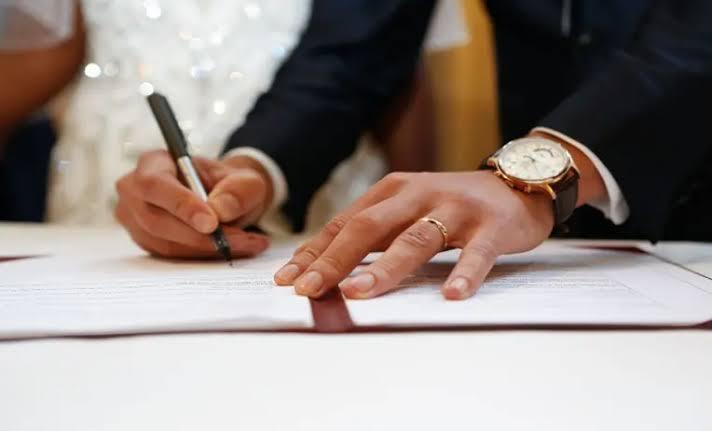
Learn the full details of marriage between an Egyptian and a Syrian inside Egypt, including the legal requirements, necessary documents, and official documentation steps. This excerpt also highlights common mistakes to avoid and explains how legal consultant Hossam Abdel Khaleq can assist in completing foreign marriage registration smoothly and in full compliance with Egyptian law.

A complete guide to documenting foreign marriages in Egypt in 2026 with Counselor Hossam Abdelkhalek, explaining legal requirements, documents, and step-by-step procedures to ensure a smooth process.

إذا كنت تبحث عن أفضل طريقة لإتمام توثيق عقود زواج الأجانب في مصر، فتعرف على جميع الشروط والإجراءات القانونية والأوراق المطلوبة، وكيف يساعدك المستشار حسام عبد الخالق في إنهاء الإجراءات بسهولة.
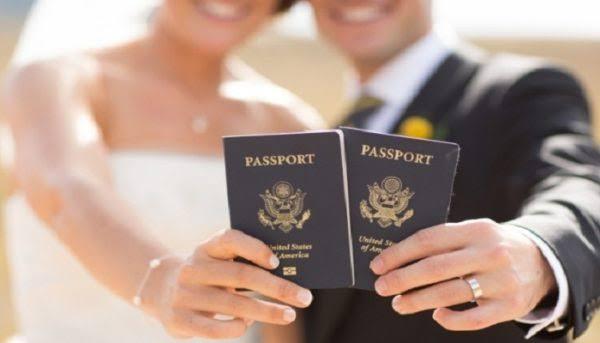
Counselor Hossam Abdel Khalek provides comprehensive legal services for marriage procedures involving foreign nationals, starting from reviewing the required documents to completing the marriage documentation and all related legal formalities. The office also offers legal consultations

Learn about the procedures, required documents, conditions, and legal steps for documenting an Egyptian-Syrian marriage in Egypt with Legal Consultant Hossam Abdel Khaleq.
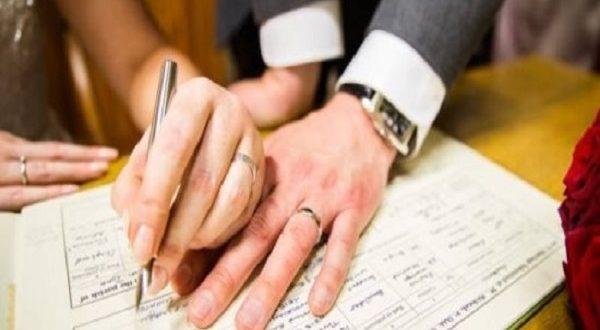
Learn about documenting the marriage contract of two foreigners in Egypt, the importance of reviewing the required documents, and how legal requirements may vary according to the spouses' nationalities and legal status.
