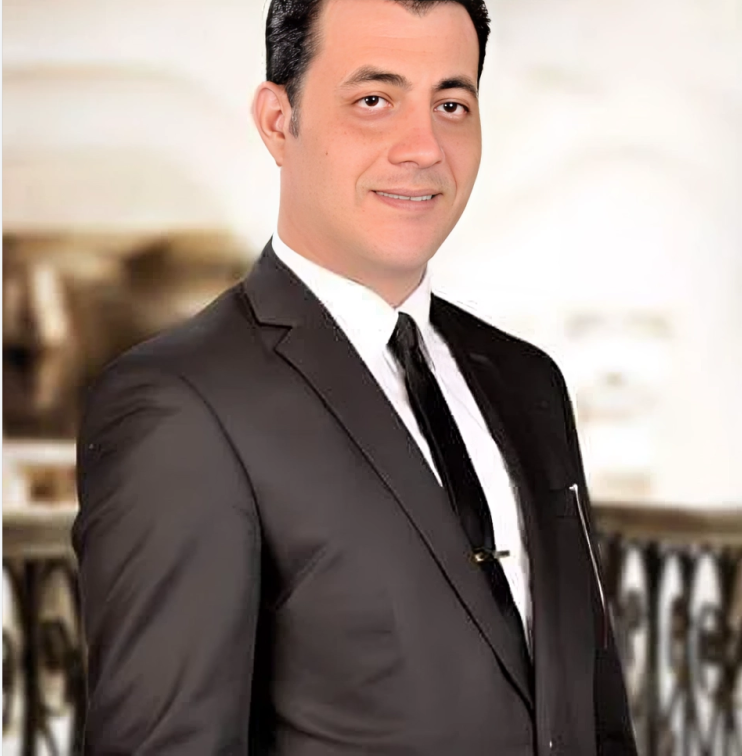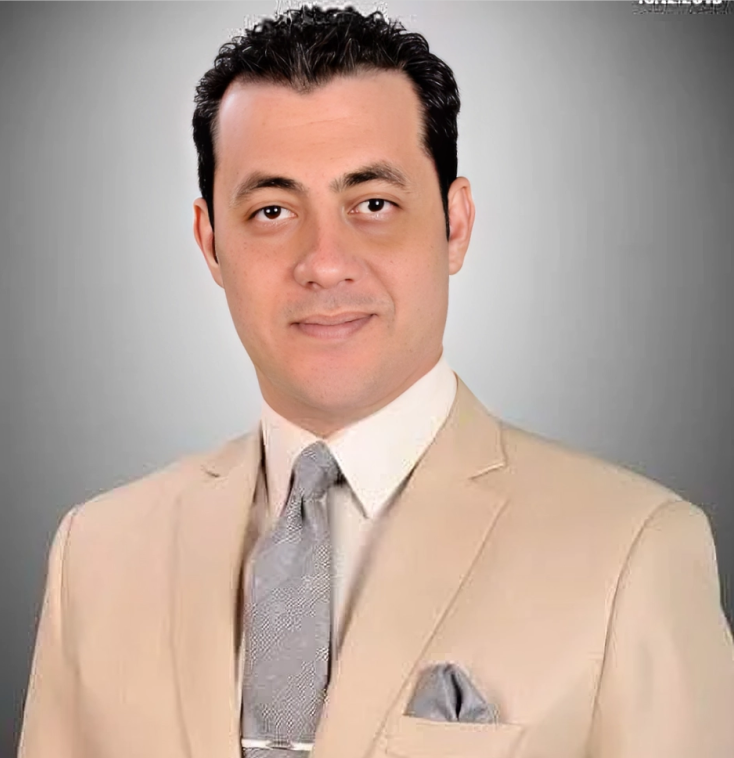
المستشار أحمد عيطه
المستشار أحمد عيطه محامٍ بالنقض والإدارية العليا والدستورية العليا، يقدّم خدمات قانونية متخصصة في القضايا الجنائية والمدنية والأحوال الشخصية وقضايا مجلس الدولة، مع خبرة عملية في متابعة القضايا أمام مختلف درجات التقاضي، ونطاق عمل يشمل الجيزة و6 أكتوبر والقاهرة.
المستشار / أحمد عيطه
محامي بالنقض والإدارية العليا والدستورية العليا
يقدم المستشار أحمد عيطه خدماته القانونية من خلال خبرة عملية متراكمة في التعامل مع القضايا أمام جهات التقاضي المختلفة، مع تركيز خاص على القضايا التي تتطلب دقة قانونية عالية وفهمًا عميقًا للإجراءات والنصوص القانونية، بما يضمن حماية حقوق الموكلين واتخاذ المسار القانوني الأنسب لكل حالة.
💬 واتساب: 01227228315 | 01112603011
☎️ هاتف: 01227228315 | 01112603011
⚖️ نبذة تعريفية عن المستشار أحمد عيطه
يعمل المستشار أحمد عيطه في مجال المحاماة اعتمادًا على خبرة عملية مباشرة في التعامل مع القضايا أمام مختلف الجهات القضائية، مع اهتمام خاص بالقضايا التي تتطلب دقة في الإجراءات وفهمًا عميقًا لصحيح القانون.
يشغل صفة محامٍ بالنقض والإدارية العليا والدستورية العليا، وهو ما يمنحه قدرة قانونية متقدمة على متابعة القضايا في مراحلها المختلفة، وصياغة المذكرات والطعون القانونية بما يتوافق مع أحكام القانون واجتهادات المحاكم العليا.
يلتزم المستشار أحمد عيطه في عمله المهني بمبادئ الوضوح مع الموكل، الجدية في المتابعة، وسرية المعلومات، مع الحرص على اختيار المسار القانوني الأنسب لكل قضية بما يحقق أفضل حماية قانونية ممكنة لحقوق العملاء.
⭐ لماذا يثق العملاء في المستشار أحمد عيطه؟
- خبرة عملية في درجات التقاضي المختلفة: التعامل المباشر مع القضايا منذ بدايتها وحتى مراحلها المتقدمة، مع فهم دقيق لإجراءات المحاكم وصياغة المذكرات القانونية.
- قيد النقض والإدارية العليا والدستورية العليا: ما يمنح خبرة قانونية متقدمة في الطعون والتعامل مع القضايا ذات الطبيعة الخاصة أمام المحاكم العليا.
- تنوع حقيقي في مجالات العمل: خبرة في القضايا الجنائية، والمدنية، والأحوال الشخصية، إلى جانب قضايا مجلس الدولة، بما يتيح رؤية قانونية شاملة.
- وضوح في الرأي القانوني: عرض الموقف القانوني للموكل بشكل مفهوم، مع توضيح الخيارات المتاحة دون تهويل أو وعود غير واقعية.
- التزام مهني وسرية تامة: الحفاظ الكامل على خصوصية القضايا والمستندات الخاصة بالعملاء.
- متابعة دقيقة لكل قضية: الاهتمام بكافة تفاصيل الملف القانوني والمتابعة المستمرة حتى صدور القرار أو الحكم النهائي.
💬 استشارة قانونية مباشرة
يوفّر مكتب المستشار أحمد عيطه وسيلة تواصل مباشرة عبر تطبيق واتساب للحصول على استشارة قانونية مدفوعة، وهي مناسبة للحالات التي تحتاج إلى رأي قانوني مبدئي أو توجيه سريع دون الحاجة إلى الحضور الفوري.
- تقييم مبدئي للوضع القانوني بناءً على ملخص الحالة.
- تحديد الإجراء القانوني الأنسب والخطوة التالية.
- توضيح المستندات المطلوبة وفقًا لطبيعة النزاع.
💡 يُفضّل إرسال نوع القضية مع نبذة مختصرة وبيان ما إذا كانت هناك جلسة قريبة، لتسهيل سرعة الرد وتحديد الإجراء المناسب.
🔹 مجالات التخصص القانوني
يقدّم المستشار أحمد عيطه خدمات قانونية متخصصة تغطّي عددًا من المجالات الأساسية في العمل القانوني، مع التعامل مع كل ملف وفقًا لطبيعته وإجراءاته الخاصة.
- قضايا الجنايات: الدفاع والترافع في القضايا الجنائية بمختلف أنواعها، ومتابعة الإجراءات منذ التحقيق وحتى صدور الأحكام.
- القضايا المدنية: المنازعات المدنية، العقود، التعويضات، والمسؤولية المدنية، مع إعداد وصياغة المذكرات القانونية اللازمة.
- قضايا الأحوال الشخصية: قضايا الأسرة بمختلف صورها، بما يشمل الطلاق، النفقة، الحضانة، والرؤية.
- قضايا مجلس الدولة: الطعون الإدارية، الدعاوى التأديبية، ومنازعات الجهات الإدارية وفقًا للقانون.
- الطعن أمام المحاكم العليا: إعداد ومتابعة الطعون أمام محكمة النقض، والإدارية العليا، والمحكمة الدستورية العليا.
💰 كيفية تحديد الأتعاب القانونية
يتم تحديد الأتعاب القانونية داخل مكتب المستشار أحمد عيطه بناءً على دراسة كل قضية على حدة، وذلك بعد الاطلاع على تفاصيل الملف والمستندات المرتبطة به، بما يضمن وضوح الاتفاق وعدالته للطرفين.
- طبيعة القضية ونوعها ومدى تعقيدها القانوني.
- المرحلة الإجرائية التي وصلت إليها القضية.
- حجم الجهد والمتابعة المطلوبة.
- عدد الخصوم أو الطلبات القانونية المطروحة.
✅ يمكن إرسال ملخص مختصر للقضية عبر واتساب للحصول على توجيه مبدئي واضح قبل تحديد الموعد.
📍 نطاق العمل والتغطية الجغرافية
📌 نطاق تقديم الخدمات القانونية
يقدّم مكتب المستشار أحمد عيطه خدماته القانونية داخل عدد من المحافظات الحيوية، مع إمكانية المتابعة والحضور وفقًا لطبيعة كل قضية.
- محافظة الجيزة
- مدينة 6 أكتوبر
- محافظة القاهرة
📌 يتم تحديد مكان المقابلة أو المتابعة وفقًا لمتطلبات القضية والجهة القضائية المختصة.
❓ أسئلة يطرحها العملاء
هل يمكن الحصول على رأي قانوني دون الحضور إلى المكتب؟
يتيح المكتب إمكانية الحصول على استشارة قانونية مدفوعة عبر واتساب، وهي مناسبة للحالات التي تحتاج إلى توجيه مبدئي سريع.
متى يتم الاتفاق على الأتعاب القانونية؟
يتم تحديد الأتعاب بعد الاطلاع على تفاصيل القضية والمستندات المرتبطة بها، مع توضيح الصورة بشكل واضح قبل بدء أي إجراء.
ما هي مواعيد التواصل والعمل؟
مواعيد العمل من 6 مساءً حتى 11 مساءً طوال أيام الأسبوع، عدا يوم الجمعة.
📞 تواصل مباشر وحجز استشارة
يرحّب مكتب المستشار أحمد عيطه بالتواصل المباشر للاستفسار أو حجز موعد، سواء عبر الهاتف أو من خلال واتساب.
💬 واتساب: 01227228315 | 01112603011
☎️ هاتف: 01227228315 | 01112603011
News & Articles
In the heart of the Egyptian capital, specifically in the prestigious Dokki district, the name Ahmed Aita stands out as one of the most prominent and distinguished legal figures on the judicial scene, having firmly established his position with confidence through extensive legal experience, a professional vision, and strict adherence to both the letter and spirit of the law.
If you are searching for a cassation attorney in 6th of October or a lawyer specialized in supreme court appeals, the office offers professional legal representation and consultation.
Felony cases are among the most serious and critical cases handled by the Egyptian judiciary, as they involve grave crimes that threaten the safety of individuals and the security of society. A felony is not merely a minor legal violation; rather, it is a severe criminal act that may result in harsh penalties such as life imprisonment or even the death penalty.
FAQ
Egyptian law has granted lawyers a special status as essential partners in achieving justice. Therefore, it guarantees them a set of rights that ensure their independence and ability to fulfill their mission. The most important of these rights are:
1- The right to access and defense: Lawyers have the right to review cases, documents, and papers related to the lawsuits they are assigned, attend investigations with their clients, and communicate with them freely.
2- The right to immunity: Lawyers enjoy immunity during the practice of their work and cannot be held criminally or civilly liable for what they state in terms of defenses or arguments before courts or investigative authorities, as long as it is within the limits of their profession.
3- The right to proper treatment: Judges, prosecutors, police authorities, and others are obligated to enable the lawyer to perform his duties, respect his position, and not obstruct his tasks.
4- The right to fees: A lawyer has a guaranteed right to his agreed-upon fees with the client, and if no agreement exists, his remuneration is assessed based on his effort and the importance of the work he has performed. He may also resort to the judiciary to claim it.
5- The right to independence: A lawyer cannot be forced to adopt a certain stance in a case against his professional conviction, as the independence of his opinion is a foundation of professional integrity.
Thus, it becomes clear that the lawyer in Egypt is not merely a representative of his client, but rather an integral part of the justice system, with rights that protect him and enable him to perform his duty, along with obligations that preserve the honor and mission of the profession.
1- **Honesty and Confidentiality**
A lawyer is committed to preserving the secrets of his clients and not disclosing any information related to them, even after the case has ended.
2- **Dedicated Defense**
A lawyer must make every effort to defend his client’s rights, using his knowledge and expertise without manipulation or negligence.
3- **Respect for the Judiciary and the Law**
One of the lawyer’s duties is to respect the courts, prosecution, and investigative authorities, and to comply with laws and procedures in his work.
4- **Upholding Professional Integrity**
A lawyer must maintain the dignity of the profession and proper conduct, and must not exploit his position for personal gain at the expense of justice.
5- **Serving Justice and Society**
The role of the lawyer is not limited to defending individuals only, but also extends to being a cornerstone in achieving justice and upholding rights within society.
1- Lawyer’s Specialization
It is important for the citizen to choose a lawyer specialized in the type of case, as criminal cases differ from family or commercial cases, and each field requires specific expertise.
2- Experience and Track Record
Reviewing the lawyer’s past experiences and results in similar cases helps in assessing his ability to manage the case efficiently.
3- Reputation and Trust
The lawyer’s reputation among people and colleagues in the profession is a strong indicator of his commitment and respect for legal ethics.
4- Communication Skills
A good lawyer is one who listens to his client and explains the steps of the case in simple and clear language, giving the client reassurance.
5- Transparency in Fees
A clear and prior agreement on the lawyer’s fees prevents future disputes and reflects his integrity in dealing.
Conclusion: Choosing a lawyer is not merely a matter of names or popularity; it is a decision that requires careful consideration and research to ensure the citizen has entrusted his case to safe hands that know how to defend his rights.
1- Foundation of Trust
Professional integrity is what makes the client trust his lawyer and feel safe entrusting him with the case.
2- Strength of Argument
A lawyer who is honest and committed has a stronger voice before the court and a more persuasive argument.
3- Protection from Misconduct
Adhering to professional integrity protects the lawyer from falling into personal interests or unlawful practices.
4- Reputation of the Profession
A lawyer does not represent himself alone, but the entire profession, and therefore his commitment to integrity preserves the status of lawyering in society.
5- Pillar of Justice
A lawyer who upholds professional integrity becomes a true partner in revealing the truth and supporting justice.
Conclusion: A lawyer without professional integrity is a lawyer without value, but one who adheres to it is the pure face of the law and a guardian of justice.
Ordinary Lawyer:
Relies only on memorizing legal texts and presenting traditional defenses, deals with cases as mere paperwork, and leaves no real impact on clients or in the courtroom.
Lawyer Who Makes a Difference:
Combines knowledge with experience, knows how to turn the law into a powerful tool for defense, uses persuasive skills and strong arguments, reads between the lines, and can change the course of a case with a compelling plea or decisive evidence. Most importantly, he gives his client a sense of trust and reassurance.
The blackmailer:
Uses social media or email to threaten the victim with publishing personal photos or information, demanding money or illegal favors.
The danger of blackmail:
Causes fear and severe anxiety for the victim, and may lead to serious social, financial, or psychological harm if not addressed properly.
Legal protection:
Egyptian and Arab laws consider electronic blackmail a crime punishable by imprisonment and fines, giving the victim the right to immediately report the blackmailer.
Steps to confront it:
1. Do not give in to the blackmailer’s demands or send any money.
2. Keep all messages or digital evidence.
3. Go to the nearest police station specialized in cybercrimes or contact the cybercrime unit.
4. Consult a legal counselor to follow up the complaint and ensure protection of rights.
5. Secure online accounts and change all passwords.
Psychological and legal support:
Confrontation is not only through the law, but also through psychological support from family and friends, along with ongoing follow-up with a specialized lawyer to ensure full legal protection.
Ordinary Lawyer:
Simply submits legal documents and relies on ready-made texts, treating the case as a routine procedure without much effort to search for details that could change its course.
Outstanding Lawyer:
1. Carefully listens to the client to understand every detail of the case.
2. Reviews documents and facts, collecting strong evidence and witness statements.
3. Studies legal texts and previous rulings to build a solid strategy.
4. Identifies legal loopholes or mistakes in the opponent’s position.
5. Drafts well-structured defense memoranda that clearly present the client’s stance.
6. Uses advocacy and persuasion skills before the judge to reveal the truth.
7. Stays by the client’s side throughout hearings, offering confidence and explaining each step.
8. After the ruling, follows up on execution or appeals if necessary.
Thus, the lawyer is not just submitting papers but fighting with law, knowledge, and experience to protect the client’s rights.
Part One:
Legal texts alone are not enough; trials are not won by memorization, but by understanding and the ability to turn the law into a powerful weapon.
Part Two:
The judge is influenced by how the case is presented, how evidence is organized, the timing of submitting documents, and even the lawyer’s tone of voice and confidence during the plea.
Part Three:
The greatest secret is that small details – such as a powerful sentence or a clever question asked by the lawyer – can completely change the course of the trial and open a door to victory that no one expected.
The lawyer’s real weapon is not just papers or legal texts.
The true strength lies in persuasion and the ability to use words wisely.
A distinguished lawyer knows how to connect evidence with the law and present it in a logical and impactful way.
His advocacy skills make the judge listen attentively and trust his arguments.
The law is the same for everyone, but the way it is presented is what decides who wins the case.