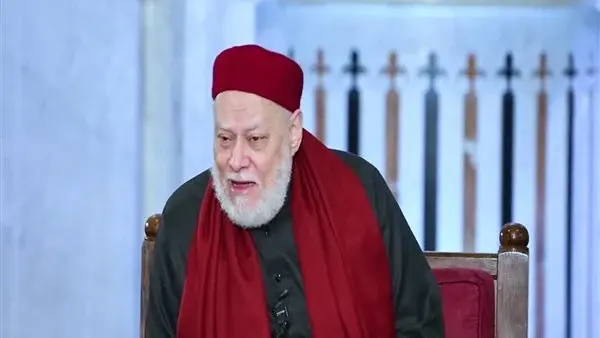

قال الدكتور علي جمعة، عضو هيئة كبار العلماء بالأزهر الشريف، إن القرآن الكريم نزل بلغة العرب، وظل محتفظًا بلغته العربية منذ نزوله وحتى اليوم، مؤكدًا أن النص العربي يمثل المرجع الأساسي عند ترجمة معاني القرآن إلى اللغات الأخرى.
وأوضح أن ترجمة القرآن بدأت منذ العصور الأولى، مشيرًا إلى ما ورد من آيات في رسائل النبي محمد ﷺ إلى الملوك والأكاسرة والقياصرة، حيث كانت بعض الآيات تُذكر في الرسائل وتُترجم إلى لغات المرسل إليهم عند تلاوتها عليهم.
أكثر من 130 لغة لترجمة معاني القرآن
وأشار علي جمعة إلى أن القرآن الكريم تُرجمت معانيه في العصر الحديث إلى أكثر من 130 لغة، موضحًا أن بعض اللغات شهدت ترجمة واحدة، بينما شهدت لغات أخرى عددًا كبيرًا من الترجمات، ومن بينها اللغة الإنجليزية التي تعددت ترجمات معاني القرآن إليها بصورة واسعة.
وأكد أن النص القرآني باللغة العربية يظل المرجع في جميع الأحوال، خاصة مع اختلاف أساليب الترجمة ودقتها وأهداف القائمين عليها.
اختلاف الترجمات لا يغيّر من مكانة النص العربي
وأوضح أن الترجمة قد تكون متأثرة برؤية المترجم أو مذهبه أو طائفته، وقد تكون ترجمة تفسيرية تشرح فهمًا معينًا للآيات، كما قد تتأثر بضعف المترجم في إحدى اللغتين أو بضعف قدرته على نقل المعاني والأساليب بدقة.
وأضاف أن بعض الترجمات قد تأتي ركيكة أو مفككة، بينما تتميز ترجمات أخرى بالبلاغة وحسن الأسلوب، إلا أن الأصل العربي يظل حاضرًا باعتباره المرجع الذي يمكن الرجوع إليه عند اختلاف الترجمات أو نشوء خلاف حول معنى معين.
التواتر ودوره في نقل القرآن الكريم
وأكد علي جمعة أن القرآن الكريم نُقل بالأسانيد المتصلة والمتكاثرة، التي بلغت حد التواتر، مشيرًا إلى ما أورده ابن الجزري في كتابه «النشر في القراءات العشر» من أسانيد متعددة تصل إلى القراء العشرة.
وأوضح أن القراء العشرة لم يكونوا مجرد أفراد ينقلون القرآن بصورة منفردة، وإنما ارتبط كل قارئ منهم بمدرسة قرآنية وبيئة علمية في مدينة اشتهرت بقراءة معينة.
القراء العشرة ومدارس القراءة
وأشار إلى أن ابن كثير كان في مكة، ونافع وأبو جعفر في المدينة المنورة، بينما عُرف عاصم والكسائي وحمزة في الكوفة، ويعقوب وأبو عمرو بن العلاء في البصرة، وابن عامر في الشام، وخلف في بغداد.
وبيّن أن هؤلاء القراء نقلوا قرآنًا واحدًا، وأن اختلاف طرق القراءة الواردة عنهم لا يعني تعدد القرآن، بل يرتبط بالقراءات المعتبرة التي نقلها أهل العلم بالتلقي والإسناد.
أدق معايير التوثيق في نقل القرآن
وأضاف علي جمعة أن المسلمين اهتموا بتوثيق كتاب الله بصورة دقيقة، سواء من خلال الكتابة أو التلقي والمشافهة، ولم يقتصر الاهتمام على نقل الكلمات فقط، بل امتد إلى اللفظ والشكل والحركة والأداء الصوتي.
وأوضح أن علوم القراءات والتجويد نشأت ضمن هذا الاهتمام بضبط تلاوة القرآن الكريم وأدائه، وأصبحت من العلوم التي خدمت عملية نقل القراءة والمحافظة على طريقة الأداء.
القرآن واحد رغم اختلاف القراءات
وأكد أن القرآن الكريم ظل محفوظًا ومتداولًا بين المسلمين، رغم ما ورد عبر التاريخ من أخطاء في القراءة أو محاولات لتحريف النص، مشيرًا إلى أن هذه الوقائع لم تؤد إلى تعدد نسخ القرآن أو اختلاف المسلمين حول أصل الكتاب.
وقال إن القرآن ظل متداولًا في أنحاء العالم الإسلامي، من طنجة إلى جاكرتا، ومن غانا إلى فرغانة، في إطار النص القرآني المعروف بين المسلمين.
حفظ القرآن عبر العصور
وأوضح علي جمعة أن القرآن تعرض عبر التاريخ لكثير من الجدل والاعتراضات والهجمات، إلا أن ذلك لم يؤثر في النص القرآني المتداول، معتبرًا أن حفظ القرآن في الواقع المعيش يمثل جانبًا مهمًا من بقائه وانتقاله بين الأجيال.
وأكد أن هذا الحفظ، وفق ما ذكره، لا يرجع إلى قوة المسلمين وحدها، وإنما إلى حفظ الله سبحانه وتعالى لكتابه، مستشهدًا بقوله تعالى: ﴿إِنَّا نَحْنُ نَزَّلْنَا الذِّكْرَ وَإِنَّا لَهُ لَحَافِظُونَ﴾.
هل تُرجم القرآن الكريم إلى لغات أخرى؟
نعم، تُرجمت معاني القرآن إلى لغات كثيرة، ويظل النص العربي هو المرجع الأساسي.
هل اختلاف الترجمات يعني اختلاف القرآن؟
لا، اختلاف الترجمات يتعلق بنقل المعاني إلى اللغات الأخرى، بينما يبقى النص العربي أصلًا مرجعيًا.
ما المقصود بتواتر القرآن؟
هو نقل القرآن عبر أعداد وطرق متعددة متصلة بالتلقي والرواية، بما يعزز توثيق النص والقراءة.
من هم القراء العشرة؟
هم أئمة القراءات العشر المشهورة، ومنهم ابن كثير ونافع وعاصم وحمزة والكسائي وأبو عمرو وابن عامر وأبو جعفر ويعقوب وخلف.
ما دور علم التجويد والقراءات؟
يساعدان في ضبط تلاوة القرآن وأدائه ونقل أوجه القراءة المعتبرة بصورة دقيقة.
English
The Quran Has Retained Its Original Arabic Language
Dr. Ali Gomaa, a member of Al-Azhar’s Council of Senior Scholars, said that the Holy Quran was revealed in the Arabic language and has retained its original language throughout the centuries.
He explained that the Arabic text remains the primary reference whenever the meanings of the Quran are translated into other languages.
Gomaa noted that translations of Quranic passages date back to the early Islamic period, including passages that appeared in the Prophet Muhammad’s ﷺ letters to kings and rulers, where verses were translated into the languages of those receiving the messages.
Quranic Meanings Have Been Translated Into More Than 130 Languages
Ali Gomaa stated that the meanings of the Quran have been translated into more than 130 languages in modern times.
He explained that some languages have had only one translation, while others have witnessed numerous translations. English, for example, has seen a particularly large number of translations.
According to Gomaa, however, the original Arabic Quran remains the reference in all cases, particularly when translations differ in wording, interpretation, or accuracy.
Why Quran Translations Can Differ
Gomaa explained that a translation may reflect the translator’s interpretation, religious school, or particular perspective. Some translations may also be explanatory rather than strictly focused on conveying the wording and structure of the original Arabic.
He added that the quality of translations can vary. Some may have weak or fragmented wording, while others may use sophisticated and eloquent language. Despite these differences, the Arabic original remains available as the reference for resolving disagreements over meaning.
The Role of Transmission in Preserving the Quran
Ali Gomaa emphasized that the Quran was transmitted through connected and numerous chains of transmission, reaching the level of widespread transmission known in Islamic scholarship as tawatur.
He referred to Ibn al-Jazari’s “Al-Nashr fi al-Qira’at al-Ashr”, which contains numerous chains connecting the scholarly tradition of his era to the ten recognized Quranic reciters.
Gomaa explained that these reciters were not isolated individuals transmitting the Quran independently. Each was associated with a major center of Quranic learning and a well-established recitation tradition.
The Ten Quranic Reciters
He noted that Ibn Kathir was associated with Mecca, Nafi and Abu Ja‘far with Medina, while Asim, Al-Kisai and Hamza were associated with Kufa.
Abu Amr ibn Al-Ala and Yaqub were associated with Basra, Ibn Amir with the Levant, and Khalaf with Baghdad.
Gomaa stressed that these reciters transmitted one Quran. Differences among recognized recitation traditions do not mean that there are multiple Qurans; rather, they represent established modes of recitation transmitted through scholarly learning and chains of narration.
Precise Standards for Preserving the Quran
Gomaa also highlighted the detailed methods developed by Muslim scholars to preserve the Quran through both written transmission and direct oral learning.
He explained that preservation was not limited to the words themselves. Scholars paid attention to pronunciation, vocalization, grammatical markings, movements, and the precise manner of recitation.
This scholarly effort contributed to the development of Quranic recitation sciences and Tajweed, which focus on accurately preserving and performing the established methods of Quranic recitation.
One Quran Despite Different Recitation Traditions
Ali Gomaa stated that the Quran has remained preserved and widely transmitted among Muslims despite historical instances of incorrect recitation and attempts to alter its text.
He emphasized that these incidents did not result in competing versions of the Quran or leave Muslims choosing between fundamentally different texts.
The Quran continues to be recited across the Muslim world, from Tangier to Jakarta and from Ghana to Ferghana, within a shared textual tradition.
Preserving the Quran Across Generations
Gomaa explained that the Quran has faced debate, criticism, and challenges throughout history, but these did not alter the Quranic text that has been transmitted and recited by generations of Muslims.
He attributed this preservation, according to his rema