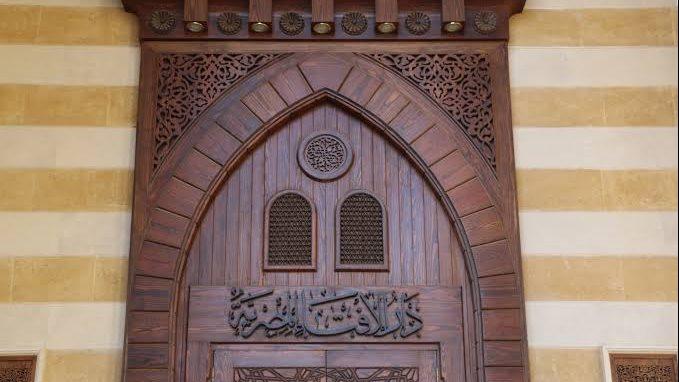

أوضحت دار الإفتاء حكم الاحتفال بموالد آل البيت وأولياء الله الصالحين وإحياء ذكراهم، مؤكدة أن الاحتفال بهذه المناسبات بمختلف أنواع القرب والطاعات أمر مشروع ومرغَّب فيه شرعًا؛ لما يتضمنه من تذكّر الصالحين والتأسي بهم والسير على نهجهم.
هل الاحتفال بموالد آل البيت وأولياء الله الصالحين جائز؟
أكدت دار الإفتاء أن الاحتفال بموالد آل البيت وأولياء الله الصالحين وإحياء ذكراهم من خلال أنواع القرب والطاعات أمر مشروع، ما دام الاحتفال ملتزمًا بالضوابط الشرعية وخاليًا من الأمور المحرمة.
وأوضحت أن الشرع الشريف حث على تذكر الأنبياء والصالحين، واستشهدت بما ورد في القرآن الكريم من قوله تعالى: ﴿وَاذْكُرْ فِي الْكِتَابِ إِبْرَاهِيمَ﴾، وقوله سبحانه: ﴿وَاذْكُرْ فِي الْكِتَابِ مُوسَى﴾، وكذلك قوله تعالى: ﴿وَاذْكُرْ فِي الْكِتَابِ مَرْيَمَ﴾.
وأشارت إلى أن السيدة مريم عليها السلام صِدِّيقة وليست نبية، وهو ما استُدل به على دخول الصالحين في معنى التذكير الوارد في هذه الآيات.
حكم إحياء ذكرى أولياء الله الصالحين
بيّنت دار الإفتاء أن الشرع أمر بالتذكير بأيام الله تعالى، قال سبحانه: ﴿وَذَكِّرْهُمْ بِأَيَّامِ اللهِ﴾، موضحة أن من أيام الله أيام الميلاد وأيام النصر، لما تحمله من معانٍ مرتبطة بالنعم والفضل والنجاة.
كما استشهدت بما كان يفعله النبي صلى الله عليه وآله وسلم من صيام يوم الإثنين من كل أسبوع، باعتباره يوم مولده، شكرًا لله تعالى على نعمة إيجاده.
وأشارت كذلك إلى صيام يوم عاشوراء، وما ورد من أمر النبي صلى الله عليه وآله وسلم بصيامه شكرًا لله تعالى على نجاة سيدنا موسى عليه السلام، وهو ما يتصل بمعنى تذكر النعم وإظهار الشكر عليها.
لماذا يرتبط يوم الميلاد بشكر النعمة؟
أوضحت دار الإفتاء أن الله تعالى كرَّم يوم الولادة في كتابه وعلى ألسنة أنبيائه، فقال سبحانه: ﴿وَسَلَامٌ عَلَيْهِ يَوْمَ وُلِدَ﴾، وقال سيدنا عيسى عليه السلام: ﴿وَالسَّلَامُ عَلَيَّ يَوْمَ وُلِدْتُ﴾.
وبيّنت أن يوم الميلاد ارتبط بحصول نعمة الإيجاد، وهي بداية لكل ما يناله الإنسان بعد ذلك من نعم، ولذلك فإن تذكُّر يوم الميلاد والتذكير به يمكن أن يكون بابًا لشكر الله تعالى على نعمه.
هل يجوز تخصيص أيام للاحتفال بذكرى الأولياء؟
أكدت دار الإفتاء أنه لا حرج في تحديد أيام معينة للاحتفال بذكرى أولياء الله الصالحين، موضحة أن أصل الاحتفال لا يقدح فيه ما قد يحدث في بعض المواسم من ممارسات محرمة.
لكنها شددت على ضرورة إنكار المنكرات التي قد تقع خلال هذه المناسبات، وتنبيه المشاركين إلى مخالفة تلك الممارسات للمقصد الذي أقيمت من أجله هذه المناسبات.
وبذلك تفرق الفتوى بين أصل الاحتفال المشروع وبين الممارسات المخالفة للشرع التي قد تقع في بعض الاحتفالات، بحيث لا تُنسب تلك المخالفات إلى أصل المناسبة.
الضوابط الشرعية للاحتفال بموالد الصالحين
يكون الاحتفال بهذه المناسبات قائمًا على القرب والطاعات وتذكر سيرة الصالحين والاقتداء بهم، مع ضرورة الابتعاد عن كل ما يخالف الأحكام الشرعية.
ومن أبرز المعاني التي يمكن أن تحققها هذه المناسبات استحضار سير آل البيت والصالحين، والتذكير بأعمالهم وأخلاقهم، وشكر الله تعالى على نعمه، وربط الأجيال بسير الشخصيات الصالحة.
كما ينبغي إنكار أي منكر قد يظهر في بعض المواسم، لأن مشروعية أصل المناسبة لا تعني إقرار الممارسات المحرمة التي قد تقع خلالها.
خلاصة حكم دار الإفتاء
بحسب ما أوضحته دار الإفتاء، فإن الاحتفال بموالد آل البيت وأولياء الله الصالحين وإحياء ذكراهم مشروع إذا كان من خلال القرب والطاعات والوسائل المباحة، مع الالتزام بالضوابط الشرعية.
كما لا مانع من تخصيص أيام معينة لإحياء هذه الذكريات، مع إنكار ما قد يقع فيها من منكرات، والتأكيد على أن المقصد الأساس هو تذكر الصالحين والتأسي بهم وشكر الله تعالى على نعمه.
الأسئلة الشائعة
هل الاحتفال بموالد آل البيت وأولياء الله الصالحين جائز؟
نعم، أوضحت دار الإفتاء أن الاحتفال بهذه المناسبات من خلال القرب والطاعات أمر مشروع ومرغَّب فيه شرعًا.
هل يجوز تخصيص يوم معين لإحياء ذكرى ولي من أولياء الله؟
نعم، لا مانع من تحديد أيام معينة لإحياء ذكرى أولياء الله الصالحين، وفق الضوابط الشرعية.
هل وجود بعض المنكرات في الاحتفالات يجعل أصل الاحتفال محرمًا؟
أوضحت دار الإفتاء أن ما قد يحدث من أمور محرمة في بعض المواسم لا يقدح في مشروعية أصل الاحتفال، مع ضرورة إنكار هذه المنكرات.
ما الدليل على تذكر الأنبياء والصالحين؟
استشهدت دار الإفتاء بآيات منها: ﴿وَاذْكُرْ فِي الْكِتَابِ إِبْرَاهِيمَ﴾ و﴿وَاذْكُرْ فِي الْكِتَابِ مُوسَى﴾ و﴿وَاذْكُرْ فِي الْكِتَابِ مَرْيَمَ﴾.
ما الحكمة من تذكر أيام الميلاد؟
ترتبط الولادة بنعمة الإيجاد، وتذكرها يمكن أن يكون وسيلة لشكر الله تعالى على النعم التي تبدأ بحصول الإنسان على نعمة الوجود.
English Version
Dar Al-Ifta Explains Ruling on Celebrating Ahl al-Bayt and Righteous Saints
Egypt’s Dar Al-Ifta has explained the Islamic ruling concerning the commemoration of the births of Ahl al-Bayt and righteous saints, affirming that such occasions can be observed through various lawful acts of worship and devotion.
The institution explained that remembering righteous people can encourage Muslims to follow their example and learn from their lives, while stressing the importance of observing Islamic guidelines during such occasions.
Is Celebrating the Births of Ahl al-Bayt and Righteous Saints Permissible?
Dar Al-Ifta stated that commemorating the births of Ahl al-Bayt and righteous saints through lawful acts of worship is permissible and encouraged, provided that the celebrations remain within Islamic guidelines and avoid prohibited practices.
It explained that Islamic scripture includes commands to remember prophets and righteous people. Among the Quranic examples are: “And mention in the Book Abraham,” “And mention in the Book Moses,” and “And mention in the Book Mary.”
Dar Al-Ifta noted that Mary, peace be upon her, was a righteous and truthful woman rather than a prophet, indicating that the principle of remembering righteous people extends beyond prophets.
Ruling on Commemorating Righteous Saints
Dar Al-Ifta also referred to the Quranic instruction: “And remind them of the Days of Allah.”
It explained that the Days of Allah can include occasions associated with divine blessings, such as days of birth and days of victory or deliverance.
The institution also cited the Prophet Muhammad’s practice of fasting on Mondays, the day of his birth, as an expression of gratitude to Allah for the blessing of his existence.
It further referred to the fasting of Ashura, when the Prophet instructed Muslims to fast in remembrance and gratitude for Allah’s deliverance of Moses, peace be upon him.
Why Is the Day of Birth Connected to Gratitude?
Dar Al-Ifta explained that birth is honored in Islamic scripture and in the words of the prophets.
The Quran says regarding Yahya, peace be upon him: “And peace be upon him the day he was born,” while Jesus, peace be upon him, is quoted as saying: “And peace is upon me the day I was born.”
The institution explained that birth represents the beginning of a person’s existence and therefore the beginning of the blessings they experience throughout their lives.
Remembering the occasion can consequently serve as an opportunity to recognize and give thanks for Allah’s blessings.
Is It Permissible to Set Specific Days to Commemorate Saints?
Dar Al-Ifta stated that there is no objection to designating particular days to commemorate righteous saints, while emphasizing the need to distinguish between the basic principle of commemoration and any prohibited practices that may occur during certain celebrations.
If unlawful practices occur, they should be rejected and participants should be reminded that such actions contradict the fundamental purpose of these religious occasions.
Thus, the presence of prohibited practices in a particular gathering does not necessarily invalidate the principle of remembering righteous people and reflecting on their lives.
Guidelines for Commemorating Righteous People
According to Dar Al-Ifta’s explanation, such occasions should focus on lawful acts of worship, remembering the lives and virtues of righteous people, learning from their conduct and expressing gratitude for Allah’s blessings.
They can also provide an opportunity to introduce younger generations to the lives, values and achievements of Ahl al-Bayt and other righteous figures.
At the same time, any prohibited practices associated with particular celebrations should be rejected, because permitting the basic commemoration does not mean approving conduct that violates Islamic teachings.
Dar Al-Ifta’s Conclusion on Celebrating Righteous Saints
According to Dar Al-Ifta, commemorating the births of Ahl al-Bayt and righteous saints is permissible when conducted through lawful acts of worship and within Islamic guidelines.
The institution also sees no objection to designating particular days for such commemorations, while stressing the need to reject prohibited practices and preserve the main purpose of these occasions: remembering righteous people, following their example and expressing gratitude to Allah for His blessings.
Frequently Asked Questions
Is it permissible to celebrate the births of Ahl al-Bayt and righteous saints?
Yes. Dar Al-Ifta states that commemorating these occasions through lawful acts of worship is permissible and encouraged.
Can a specific day be designated to commemorate a righteous saint?
Yes. Dar Al-Ifta states that there is no objection to designating specific days for such commemorations within Islamic guidelines.
Do prohibited practices invalidate the basic principle of commemoration?
Dar Al-Ifta explains that prohibited practices occurring during some celebrations do not necessarily invalidate the basic permissibility of commemorat