
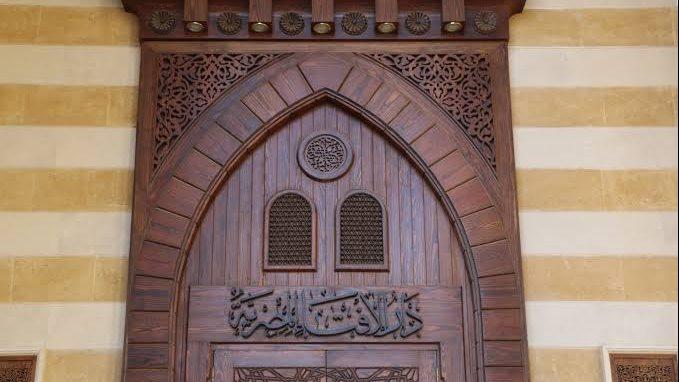

Egypt’s Dar Al-Ifta has explained the Islamic ruling concerning the commemoration of the births of Ahl al-Bayt and righteous saints, affirming that such occasions can be observed through various lawful acts of worship and devotion.
The institution explained that remembering righteous people can encourage Muslims to follow their example and learn from their lives, while stressing the importance of observing Islamic guidelines during such occasions.
Is Celebrating the Births of Ahl al-Bayt and Righteous Saints Permissible?
Dar Al-Ifta stated that commemorating the births of Ahl al-Bayt and righteous saints through lawful acts of worship is permissible and encouraged, provided that the celebrations remain within Islamic guidelines and avoid prohibited practices.
It explained that Islamic scripture includes commands to remember prophets and righteous people. Among the Quranic examples are: “And mention in the Book Abraham,” “And mention in the Book Moses,” and “And mention in the Book Mary.”
Dar Al-Ifta noted that Mary, peace be upon her, was a righteous and truthful woman rather than a prophet, indicating that the principle of remembering righteous people extends beyond prophets.
Ruling on Commemorating Righteous Saints
Dar Al-Ifta also referred to the Quranic instruction: “And remind them of the Days of Allah.”
It explained that the Days of Allah can include occasions associated with divine blessings, such as days of birth and days of victory or deliverance.
The institution also cited the Prophet Muhammad’s practice of fasting on Mondays, the day of his birth, as an expression of gratitude to Allah for the blessing of his existence.
It further referred to the fasting of Ashura, when the Prophet instructed Muslims to fast in remembrance and gratitude for Allah’s deliverance of Moses, peace be upon him.
Why Is the Day of Birth Connected to Gratitude?
Dar Al-Ifta explained that birth is honored in Islamic scripture and in the words of the prophets.
The Quran says regarding Yahya, peace be upon him: “And peace be upon him the day he was born,” while Jesus, peace be upon him, is quoted as saying: “And peace is upon me the day I was born.”
The institution explained that birth represents the beginning of a person’s existence and therefore the beginning of the blessings they experience throughout their lives.
Remembering the occasion can consequently serve as an opportunity to recognize and give thanks for Allah’s blessings.
Is It Permissible to Set Specific Days to Commemorate Saints?
Dar Al-Ifta stated that there is no objection to designating particular days to commemorate righteous saints, while emphasizing the need to distinguish between the basic principle of commemoration and any prohibited practices that may occur during certain celebrations.
If unlawful practices occur, they should be rejected and participants should be reminded that such actions contradict the fundamental purpose of these religious occasions.
Thus, the presence of prohibited practices in a particular gathering does not necessarily invalidate the principle of remembering righteous people and reflecting on their lives.
Guidelines for Commemorating Righteous People
According to Dar Al-Ifta’s explanation, such occasions should focus on lawful acts of worship, remembering the lives and virtues of righteous people, learning from their conduct and expressing gratitude for Allah’s blessings.
They can also provide an opportunity to introduce younger generations to the lives, values and achievements of Ahl al-Bayt and other righteous figures.
At the same time, any prohibited practices associated with particular celebrations should be rejected, because permitting the basic commemoration does not mean approving conduct that violates Islamic teachings.
Dar Al-Ifta’s Conclusion on Celebrating Righteous Saints
According to Dar Al-Ifta, commemorating the births of Ahl al-Bayt and righteous saints is permissible when conducted through lawful acts of worship and within Islamic guidelines.
The institution also sees no objection to designating particular days for such commemorations, while stressing the need to reject prohibited practices and preserve the main purpose of these occasions: remembering righteous people, following their example and expressing gratitude to Allah for His blessings.
Is it permissible to celebrate the births of Ahl al-Bayt and righteous saints?
Yes. Dar Al-Ifta states that commemorating these occasions through lawful acts of worship is permissible and encouraged.
Can a specific day be designated to commemorate a righteous saint?
Yes. Dar Al-Ifta states that there is no objection to designating specific days for such commemorations within Islamic guidelines.
Do prohibited practices invalidate the basic principle of commemoration?
Dar Al-Ifta explains that prohibited practices occurring during some celebrations do not necessarily invalidate the basic permissibility of commemoration, but such practices must be rejected.
What evidence supports remembering prophets and righteous people?
Dar Al-Ifta cited Quranic verses including “And mention in the Book Abraham,” “And mention in the Book Moses,” and “And mention in the Book Mary.”
Why can remembering a day of birth be considered an expression of gratitude?
Birth represents the beginning of human existence and the blessings that follow, so remembering it can provide an opportunity to recognize and give thanks for Allah’s blessings.




