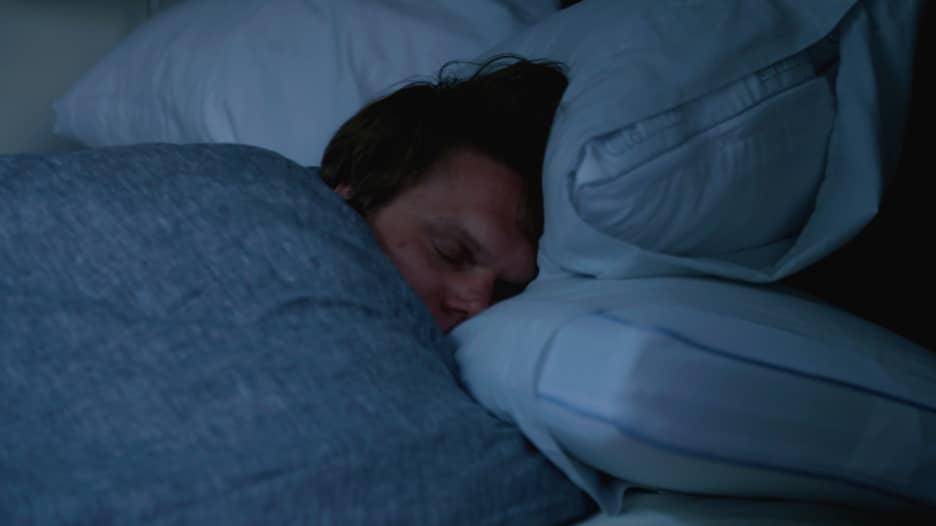

Waking up repeatedly during the night can have several causes, including stress, anxiety, breathing problems during sleep, the need to urinate, physical discomfort, room temperature, and everyday habits that interfere with sleep.
Occasionally waking up at night is common. However, frequent awakenings, difficulty falling back asleep, or feeling exhausted during the day may indicate an underlying sleep problem or medical condition that needs attention.
What Health Conditions Can Cause Frequent Nighttime Awakenings?
1. Sleep Apnea
Obstructive sleep apnea occurs when the upper airway repeatedly becomes narrowed or blocked during sleep. These interruptions can briefly wake a person and prevent restorative sleep.
Common symptoms include loud snoring, observed pauses in breathing, waking up gasping for air, morning headaches, and excessive daytime sleepiness.
Anyone experiencing these symptoms regularly should consider a medical evaluation.
2. Frequent Nighttime Urination
Repeatedly waking up to use the bathroom can interrupt sleep and make it difficult to feel rested in the morning.
Possible causes include drinking large amounts of fluid before bed, bladder problems, an enlarged prostate, diabetes, and certain medications.
Persistent nighttime urination without an obvious explanation, especially when accompanied by unusual thirst, pain, or changes in urination, should be discussed with a healthcare professional.
3. Low Blood Sugar or Blood Sugar Changes
Low blood sugar during sleep may cause sweating, shaking, a racing heartbeat, nightmares, or sudden awakenings. This is particularly relevant for some people with diabetes who use insulin or medications that can lower blood glucose.
Waking up at night alone does not prove that blood sugar is low. People who suspect nighttime hypoglycemia should follow their prescribed monitoring and treatment plan and seek medical advice.
4. Pain and Physical Discomfort
Back pain, joint pain, muscle discomfort, acid reflux, itching, and other physical symptoms can repeatedly interrupt sleep.
Environmental factors can also contribute. A room that is too hot, excessive humidity, noise, or an uncomfortable mattress may make it harder to remain asleep.
What Psychological Factors Can Cause Sudden Awakenings?
1. Anxiety, Stress, and Overthinking
Ongoing stress can keep the mind alert even when the body is tired. A person may wake up thinking about work, personal problems, or upcoming responsibilities and struggle to relax enough to fall asleep again.
Some people also experience a racing heartbeat, tension, and fatigue the following day.
2. Nocturnal Panic Attacks
Panic attacks can occur during sleep and cause sudden awakening accompanied by intense fear, sweating, a racing heartbeat, or difficulty breathing.
These symptoms can resemble other medical conditions. A first or unusually severe episode should not automatically be attributed to anxiety without appropriate assessment.
3. Nightmares and Other Sleep Disorders
Nightmares can interrupt sleep, particularly when they occur frequently or are associated with stress.
Other conditions, including certain sleep-related movement disorders and REM sleep behavior disorder, may also disrupt sleep. Medical assessment is advisable when symptoms are persistent, cause injury, or significantly affect daily life.
Which Daily Habits Can Disrupt Sleep?
Drinking Caffeine Late in the Day
Caffeine in coffee, tea, energy drinks, and chocolate can interfere with falling asleep and staying asleep. Its effects may continue for several hours, depending on the amount consumed and individual sensitivity.
Using a Phone Before Bed
Using a phone or computer before bedtime may delay sleep because of stimulating content and light exposure. Notifications can also wake someone after they have fallen asleep.
Eating Heavy Meals Before Bed
Large or fatty meals shortly before bedtime may cause discomfort, heartburn, or acid reflux, making nighttime awakenings more likely.
Following an Irregular Sleep Schedule
Frequently changing bedtime and wake-up times, along with long or late naps, can disrupt the body's internal clock and reduce nighttime sleep quality.
How Can You Reduce Frequent Nighttime Awakenings?
Several daily habits may help improve sleep continuity:
-
Keep a consistent bedtime and wake-up time whenever possible.
-
Reduce caffeine during the hours before bedtime.
-
Avoid heavy meals immediately before sleeping.
-
Keep the bedroom quiet, dark, and comfortably cool.
-
Limit phone and computer use before bed.
-
Exercise regularly, while avoiding intense workouts close to bedtime.
-
Record when awakenings occur and any symptoms that accompany them.
If sleep disturbances continue despite these changes, a healthcare professional can help identify possible underlying causes and recommend appropriate treatment.
When Should You See a Doctor About Waking Up at Night?
Consider medical advice if you wake up repeatedly on most nights, struggle to function during the day, experience loud snoring or observed breathing pauses, or feel excessively sleepy during waking hours.
Symptoms such as chest pain, severe shortness of breath, fainting, or significant confusion may require urgent medical assessment, depending on their severity. People taking diabetes medication should follow their prescribed plan if they suspect low blood sugar and seek urgent help for severe symptoms.
Why do I suddenly wake up at night for no apparent reason?
Possible causes include stress, noise, room temperature, sleep apnea, or other sleep disturbances. Sometimes, no clear medical cause is identified. Frequency and accompanying symptoms help determine whether further assessment is needed.
Can anxiety cause frequent nighttime awakenings?
Yes. Anxiety and persistent worrying can interrupt sleep and make it difficult to fall asleep again after waking.
Is waking up to urinate at night normal?
It can happen occasionally, especially after drinking fluids before bed. Frequent or newly developed nighttime urination may indicate an underlying condition that deserves medical evaluation.
Why do I wake up with a racing heartbeat?
Possible causes include anxiety, nightmares, sleep-related breathing problems, and other medical conditions. Repeated episodes should be assessed, and a racing heartbeat accompanied by chest pain, severe breathing difficulty, or fainting requires urgent medical attention.
How many nighttime awakenings are considered abnormal?
There is no single number that applies to everyone. The key factors are how often awakenings occur, how difficult it is to return to sleep, and whether daytime functioning is affected. Persistent or disruptive symptoms warrant medical advice.