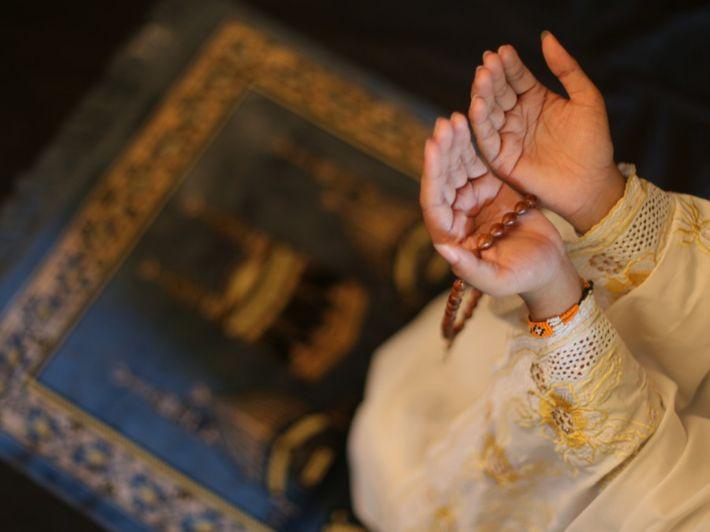

Morning adhkar are among the most meaningful daily acts of worship in Islam. They help Muslims begin the day by remembering Allah, seeking His protection, expressing gratitude, asking for forgiveness, and placing their trust in Him.
Important morning remembrances include Ayat al-Kursi, Surah Al-Ikhlas, Surah Al-Falaq, Surah An-Nas, the Master Supplication for Forgiveness, and several prayers for protection and spiritual reassurance.
What Are the Best Morning Adhkar in Islam?
1. Ayat al-Kursi
Ayat al-Kursi is verse 255 of Surah Al-Baqarah. It describes Allah's absolute sovereignty, perfect knowledge, and limitless power.
Muslims commonly include this verse in their daily Quran recitation and remembrance. Its meaning reinforces faith in Allah and reminds believers that all protection and authority ultimately belong to Him.
2. Surah Al-Ikhlas, Surah Al-Falaq, and Surah An-Nas
These three short chapters are important parts of the morning and evening adhkar. Each is recited three times in the established morning remembrance.
Surah Al-Ikhlas affirms the oneness and uniqueness of Allah.
Surah Al-Falaq teaches believers to seek refuge in Allah from the harm of creation, darkness, harmful practices, and envy.
Surah An-Nas teaches believers to seek Allah's protection from whisperings and temptations that affect the heart.
Reciting these chapters helps Muslims renew their faith and seek refuge in Allah at the beginning of the day.
3. The Master Supplication for Forgiveness
One of the most significant supplications in the Sunnah is known as Sayyid al-Istighfar, or the Master Supplication for Forgiveness.
Its Arabic text begins:
"Allahumma anta Rabbi la ilaha illa anta, khalaqtani wa ana abduka..."
The supplication acknowledges Allah as the Creator and Lord, recognizes the believer's relationship with Him, expresses gratitude for His blessings, admits personal shortcomings, and asks for forgiveness.
According to an authentic hadith, a person who recites this supplication in the morning with sincere conviction and dies before evening is promised Paradise.
4. The Supplication of Contentment with Allah
This remembrance is recited three times in the morning:
"Raditu billahi Rabban, wa bil-Islami dinan, wa bi-Muhammadin sallallahu alayhi wa sallama nabiyyan."
Its meaning is: "I am pleased with Allah as my Lord, Islam as my religion, and Muhammad, peace and blessings be upon him, as my Prophet."
This short supplication renews a Muslim's commitment to faith and expresses contentment with Allah's guidance.
5. The Supplication for Protection in Allah's Name
The following remembrance is recited three times in the morning:
"Bismillahil-ladhi la yadurru ma'asmihi shay'un fil-ardi wa la fis-sama'i wa huwa as-Sami'ul-Alim."
It means: "In the name of Allah, with whose name nothing on earth or in heaven can cause harm, and He is the All-Hearing, the All-Knowing."
Muslims recite this supplication while seeking Allah's protection and relying upon Him.
6. The Morning Prayer: O Allah, by You We Reach the Morning
One of the morning supplications is:
"Allahumma bika asbahna, wa bika amsayna, wa bika nahya, wa bika namutu, wa ilaykan-nushur."
It means: "O Allah, by You we reach the morning, by You we reach the evening, by You we live, by You we die, and to You is the resurrection."
This prayer reminds believers that life, death, and every daily affair remain under Allah's authority.
Morning Adhkar for Remembrance and Great Reward
7. Glorifying Allah One Hundred Times
A highly recommended remembrance is:
"Subhan Allahi wa bihamdihi."
It means: "Glory be to Allah and praise be to Him."
Reciting this remembrance one hundred times daily carries a great reward. An authentic hadith mentions that the sins of a person who recites it one hundred times are forgiven, even if they are as abundant as the foam of the sea.
8. Declaring the Oneness of Allah
Another important remembrance is:
"La ilaha illallahu wahdahu la sharika lah, lahul-mulku wa lahul-hamdu wa huwa ala kulli shay'in qadir."
It means: "There is no deity worthy of worship except Allah alone, without any partner. His is the dominion and His is the praise, and He has power over all things."
The Sunnah describes significant rewards for reciting this declaration one hundred times in a day, including good deeds, the removal of sins, and protection from Satan.
9. Sending Blessings Upon Prophet Muhammad
Muslims are encouraged to send blessings upon Prophet Muhammad, peace and blessings be upon him, in the morning and throughout the day.
This is a virtuous act of worship that expresses love for the Prophet and strengthens a believer's connection with his teachings.
When Should Morning Adhkar Be Recited?
Morning adhkar are commonly recited after dawn, at the beginning of the day. Scholars have discussed the precise boundaries of the morning remembrance period.
The best approach is to maintain a regular morning routine and recite the established supplications as early in the day as reasonably possible.
How Can You Maintain a Daily Morning Adhkar Routine?
A simple routine can help make morning remembrance a lasting habit.
-
Begin with Ayat al-Kursi.
-
Recite Surah Al-Ikhlas, Surah Al-Falaq, and Surah An-Nas three times.
-
Read the Master Supplication for Forgiveness.
-
Recite the established supplications for protection and contentment.
-
Include daily glorification and declarations of Allah's oneness.
The goal is not merely to repeat words but to understand their meanings, remember Allah sincerely, and approach the day with gratitude and trust in Him.
What is the best remembrance to say in the morning?
Important morning adhkar include Ayat al-Kursi, the three protective surahs, the Master Supplication for Forgiveness, and supplications seeking Allah's protection.
How many times should the protective surahs be recited?
Surah Al-Ikhlas, Surah Al-Falaq, and Surah An-Nas are each recited three times as part of the morning adhkar.
Which morning supplication is recited for protection?
One established supplication begins with "Bismillahil-ladhi la yadurru ma'asmihi shay'un fil-ardi wa la fis-sama'i." It is recited three times in the morning.
Can I read morning adhkar from my phone?
Yes. You may read morning adhkar from a phone, a book, or another written source. Memorization is not a requirement for reciting them.
Must I recite every morning remembrance?
It is recommended to maintain the established morning adhkar according to your ability. Give particular attention to supplications with specific repetition counts established in the Sunnah.