
Al-Hamda Experimental Nursery

Al-Hamda Experimental Nursery

Nurseries Alexandria
Egypt's #1 Verified Directory Verified Information
Contact
Phone
Working Hours
Opens at 07:00
Closes at 16:00
Working Days
Sunday Monday Tuesday Wednesday Thursday Saturday
Address

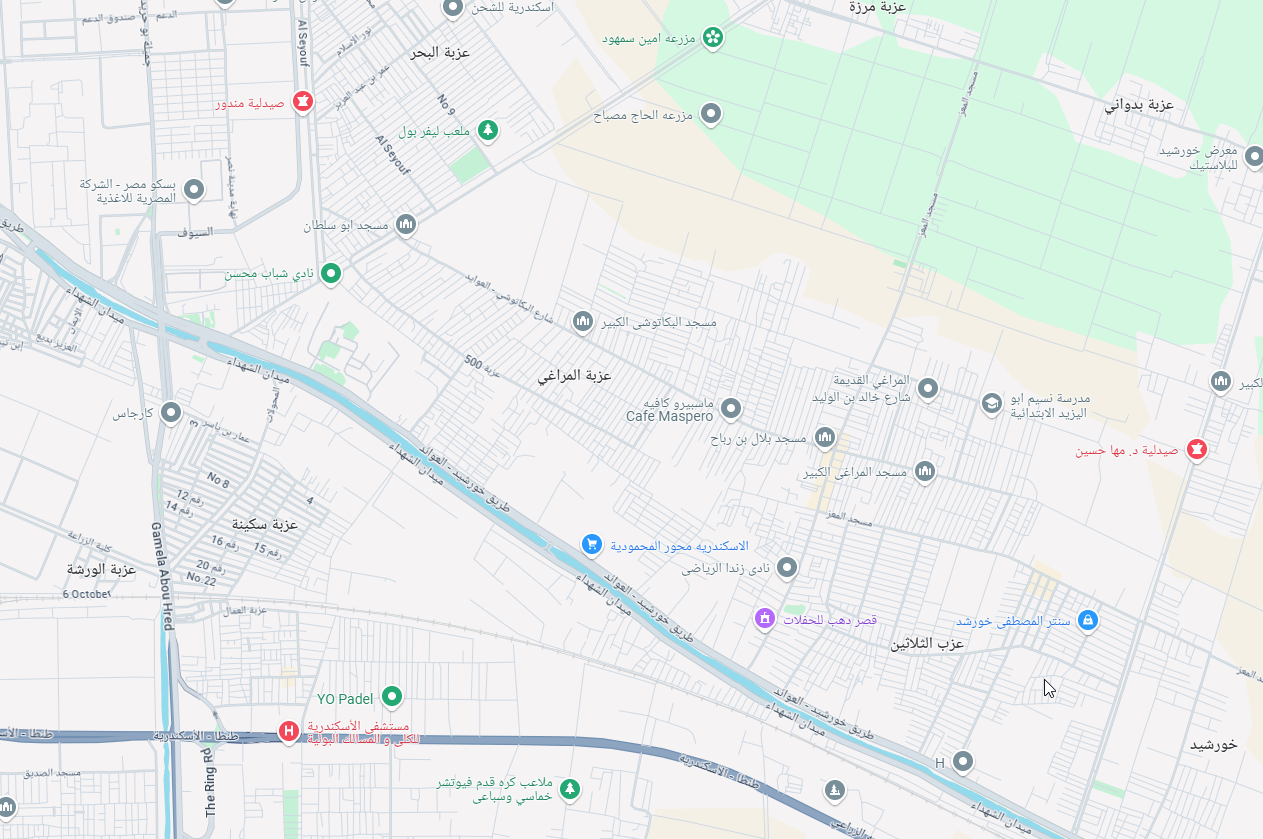
Alexandria - Al-Awaid - End of Zawaida Public Street, , Alexandria

Location
Al-Hamda Experimental Nursery
Follow Us
Overview

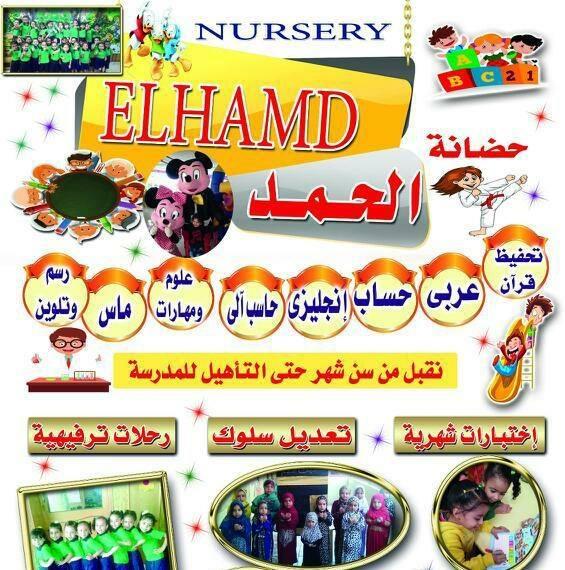
Al-Hamda Experimental Nursery accepts children from the age of one and above, providing an enjoyable learning environment that includes a wide variety of activities aimed at stimulating the children.

Phone
City / Area Alexandria
Price $$
Description

Al-Hamda Experimental Nursery

🏠 About Al-Hamda Experimental Nursery

Al-Hamda Experimental Nursery accepts children from the age of one and above, providing an enjoyable learning environment that includes a wide variety of activities aimed at stimulating the children. The nursery relies on modern teaching methods that combine academic education and interactive learning to enhance the child's understanding. It also offers two educational sessions, morning and evening, allowing parents flexibility to choose what best suits their daily needs. The nursery aims to prepare children for the next educational stage in an easy and enjoyable manner.

🎯 Vision and Goal

Providing an environment that stimulates thinking: The nursery aims to offer creative education that aligns with the developmental needs of children at this age.

Focus on learning through play: The nursery integrates interactive play that supports the cognitive and physical growth of children.

Teaching multiple languages: The nursery provides opportunities to learn English, an essential tool for expanding children's horizons and enhancing their communication skills.

🧩 Features of Al-Hamda Experimental Nursery

Diverse Curriculum: The educational activities include academic learning while focusing on life skills development. Activities include teaching letters, numbers, and interactive activities to develop critical thinking skills.

Innovative Educational Techniques: The nursery employs innovative educational methods that make children more engaged with the learning environment.

Sports and Artistic Activities:

Sports Activities: The nursery offers training in various physical activities such as gymnastics and motor exercises that promote muscle strength and motor coordination.

Art Workshops: Art workshops include painting, crafts, and other activities that foster children's creativity and help them express themselves artistically.

Comprehensive Healthcare: The nursery provides regular medical check-ups for children to ensure their physical health.

Emergency Care: Emergency services are available in case of any urgent situations, ensuring the safety of children at all times.

Nutritional Consultations: The nursery ensures a proper diet, offering healthy meals that contribute to children's overall growth.

Qualified Staff: The nursery is staffed with qualified teachers and trainers specializing in early education and childcare, ensuring high-quality teaching for the children.

📚 Educational and Recreational Activities

Educational Activities:

Teaching English: The nursery offers specialized programs to teach English, helping children learn the language early in an innovative way.

Educational Activities Integrated with Play: Interactive educational games are used to encourage children to learn in a fun atmosphere, supporting the development of problem-solving and thinking skills.

Recreational Activities:

Sports Activities: The nursery features sports programs that help children develop coordination and physical endurance through recreational exercises.

Art Workshops: Painting and craft workshops are an essential part of the nursery’s activities to enhance creativity in children.

Outdoor Recreational Activities: The nursery organizes educational trips for children to explore the world around them and discover new environments. These trips help stimulate their senses and build self-confidence.

🏥 Healthcare and Medical Services

Medical Check-ups: The nursery provides regular medical check-ups under the supervision of a pediatrician.

Emergency Care: Emergency medical services are available in case of urgent situations.

Nutritional Guidance: The nursery is committed to providing healthy meals to ensure the children's health and proper growth.

Contact with the Nursery:

Address: Alexandria - Al-Awaid - End of Zawaida Public Street

Phone: 0127883115

For registering your child or for more information, you can contact via email: 📧 [email protected]

🌟 Conclusion

Al-Hamda Experimental Nursery is an ideal choice for children in early childhood, providing an educational environment enriched with activities that combine learning and fun. The nursery is committed to offering the best educational experience for children, developing their intellectual, social, and physical skills.

FAQ

FAQ

Comprehensive and direct answers to the most frequently asked questions about available services and specialties.

Egypt's #1 Verified Directory

Nurseries in Egypt are divided into several types based on their goals and educational content, including:

1. Educational Nurseries:
Focus on teaching children the basics of reading, writing, and languages. They often follow curricula like Montessori or the British system.

2. Developmental Nurseries:
Aim to enhance social and behavioral skills such as discipline, cooperation, and independence.

3. Religious Nurseries:
Focus on Quran memorization and teaching religious values and ethics in a conservative environment.

4. Specialized Nurseries:
Cater to specific groups such as:

Children with special needs.

Language-focused nurseries (e.g., French – German).

Art or sports-oriented nurseries.

5. Governmental and Private Nurseries:

Governmental: Low-cost and supervised by the Ministry of Social Solidarity.

Private: Run by individuals or private institutions, and vary in quality and services offered.

Tip: Choosing a nursery should be based on the quality of care, safety, and the level of individual attention given to each child.

The Egyptian law outlines several key objectives that nurseries aim to achieve, including:

1. Comprehensive Social Care:
Providing a safe and stimulating environment that takes care of the child physically, psychologically, and socially.

2. Development of Skills and Abilities:
Supporting children's talents and discovering their abilities through age-appropriate educational and recreational activities.

3. Integrated Preparation:
Preparing the child physically, culturally, psychologically, and morally in alignment with Egyptian societal values and religious identity.

4. Communication with the Family:
Raising awareness among parents and providing educational guidance to support proper parenting at home.

5. Strengthening Social Bonds:
Building a strong, interactive relationship between the nursery and the child’s family to ensure a continuous, well-rounded environment for growth and learning.

Note:
Nurseries are not just places to keep children, but they are key partners in education, laying the foundation for a strong and socially responsible personality for the child.

Nurseries have several important aspects that contribute to the child’s overall development:

1. Educational Aspect:
By providing educational and developmental activities, such as learning numbers, letters, and language basics, nurseries help children develop their cognitive skills.

2. Social Aspect:
The nursery provides a social environment that allows children to interact with their peers, learning communication skills, cooperation, and problem-solving.

3. Emotional Aspect:
Through emotional support from teachers, children learn how to manage their emotions and develop self-confidence.

4. Physical Aspect:
Physical activities help children develop fine and gross motor skills, such as running, jumping, and playing with educational toys.

5. Creative Aspect:
Creative activities like drawing, modeling with clay, and music help enhance children's imagination and boost their creative skills.

All these aspects work together to develop a well-balanced personality in children, enabling them to adapt to various aspects of life.

In the nursery stage, children learn many basic skills that contribute to the development of their cognitive and physical abilities in a balanced way. The main things children study in nursery include:

1. Writing Their Name:
Children begin learning how to write their name using both Arabic and English alphabets, which helps them develop writing skills and recognize symbols.

2. Learning the Alphabet:
Children learn the alphabet in both Arabic and English, a fundamental step in preparing them for reading and writing in the future.

3. Learning Colors and Coloring:
Children are introduced to basic and mixed colors and begin coloring with different types of colors. These activities enhance their artistic and creative abilities.

4. Drawing, Cutting, and Gluing Skills:
Children learn to draw, use scissors, and glue, which helps improve hand-eye coordination and fine motor skills.

5. Personal Hygiene Principles:
Children acquire basic personal hygiene skills, such as washing their hands after eating, brushing their teeth, and taking care of their bodies in general.

These activities contribute to developing the child's skills and preparing them for the next stages of schooling, while also boosting their self-confidence and ability to interact with their environment.

The methods for studying a child depend on several scientific approaches that help understand their behaviors and developments. Some of the most prominent methods include:

1. Observation:
Watching the child in their natural environment to record their behaviors and interactions.

2. Interview:
Talking to the child or those around them (such as parents or teachers) to understand their feelings and thoughts.

3. Questionnaire:
Using specific questions to gather data about the child's behavior or preferences.

4. Art:
Using artistic activities such as drawing to understand the child’s inner world.

5. Role Play:
Encouraging the child to take on different roles to understand their reactions in various situations.

Here are 8 steps to ease the child’s transition to pre-school:

1. Visit the school together:
Introduce the child to the school environment beforehand so they can acclimate to it.

2. Meet new friends:
Encourage the child to meet other children so they can make new friends.

3. Role-play school:
Use school-related games at home to demonstrate the daily school routine.

4. Turn skills into games:
Make learning skills like dressing fun and engaging for the child.

5. Talk about your experience:
Share your own school experiences to create a positive image of school for the child.

6. Establish a new routine:
Set a regular daily routine to prepare the child for school.

7. Listen to your child:
Pay attention to the child’s feelings and concerns about school.

8. Create a comforting goodbye plan:
Make the child’s farewell comfortable and encouraging.

These steps help ease the child’s transition to a new stage.

Nursery is extremely important for children because it helps prepare them for the next educational stage and promotes their social and cognitive development. Through nursery, children learn how to build social relationships outside of the family, which enhances their communication and cooperation skills.

Nursery also contributes to developing critical thinking in children, helping them understand and analyze situations more effectively. It encourages a positive attitude towards learning, fostering their love for exploration and independent learning.

Additionally, nursery helps build the child’s self-confidence, which enables them to adapt better to the school environment in the future and enhances their ability to persevere and succeed.

The levels of nursery are as follows:

1. Nursery: From 3 months to 3 years. At this stage, the focus is on developing basic skills such as social interaction and independence.

2. Level One (Kindergarten): From 3 to 4 years. The child begins learning basic social skills, such as cooperating with others, as well as recognizing colors and shapes.

3. Level Two (Introductory Preparatory): From 4 to 5 years. At this stage, the child is encouraged to acquire basic cognitive skills like numbers and letters, while also enhancing independence.

4. Level Three (Advanced Preparatory): From 5 to 6 years. This level focuses on preparing the child for the transition to elementary school by learning more advanced reading and writing skills.

These stages help gradually prepare the child for a smooth transition into school.

To effectively deal with a nursery child, you can follow these approaches:

1. Good communication:
Use simple and clear language to emotionally support the child.

2. Set simple rules:
Establish clear rules in the classroom to help children learn the correct behaviors.

3. Use fun activities:
Vary activities like games and arts to enhance learning.

4. Organize materials:
Keep educational materials well-organized for easy access.

5. Assign responsibilities:
Give children simple tasks to enhance their independence.

6. Encourage good achievements:
Celebrate small accomplishments to reinforce positive behaviors.

7. Guide undesirable behavior:
Offer gentle guidance when incorrect behavior occurs.

8. Listen to the child:
Pay attention to the child's needs and feelings to strengthen communication and understanding.

These approaches help create a supportive and educational environment for nursery children.

To determine if a nursery is good, consider the following:

1. Educational and recreational facilities:
The presence of educational toys and age-appropriate art materials for children.

2. Safety:
Ensure that play areas are safe and free from hazards.

3. Qualified teachers:
The presence of experienced teachers who know how to handle children.

4. Cleanliness:
The nursery should always be clean and well-organized.

5. Social interaction:
Opportunities for children to interact with their peers.

6. Communication with parents:
Regular communication with parents to update them on the children's progress.

A good nursery balances safety, education, and overall care.

The tasks of a nursery teacher include:

1. Teaching children to preserve the environment and public property:
Guiding children on the importance of keeping the place clean and respecting property.

2. Caring for children's emotional and psychological needs:
Providing emotional and social support to children and ensuring they feel safe and comfortable.

3. Helping children with meals:
The teacher supervises the children's meal times according to the specified nutritional program.

4. Participating in activities and events:
Representing the nursery in exhibitions, educational activities, and any assigned training.

The teacher strives to provide a motivating and balanced educational environment that helps in the comprehensive development of the child's skills.

The essentials of a successful nursery include:

1. Action Plan: Developing a well-thought-out plan aimed at the child's comprehensive development.

2. Location Selection: A safe and easily accessible location.

3. Reception Area: A comfortable and safe place for children upon arrival.

4. Meals for Children: Healthy and balanced meals.

5. Teacher Experience: Teachers with experience and competence in dealing with children.

6. Variety of Toys: Educational and entertaining toys that stimulate thinking.

7. Safety and Security Measures: A safe environment that meets safety standards.

8. Sleep Time Organization: Organizing appropriate nap times for children.

These factors contribute to ensuring a healthy and educational environment for children.

Search Directory