This institution provides a unique learning environment for children in kindergarten, focusing on developing their academic, social, and psychological skills. It aims to teach children in a fun and innovative way, with a focus on individual care. The institution emphasizes the development of their motor and social skills, in addition to promoting human values and mental health. It offers a safe and comfortable environment for children aged 3 to 6 years, helping them prepare for primary school.

Excellence Nursery
Egypt's #1 Verified Directory
Verified Information
Overview
This institution provides a unique learning environment for children in kindergarten, focusing on developing their academic, social, and psychological skills
Description
Excellence Nursery
About Excellence Nursery
Features of Excellence Nursery
📚 Innovative Educational Curriculum:
The educational curriculum at Excellence Nursery is based on creative thinking and interactive activities that support creativity and effective learning. Our curriculum includes subjects like mathematics, science, and languages in a fun and exciting way. The nursery does not limit itself to traditional teaching methods; it offers integrated programs that focus on developing critical thinking and problem-solving skills through practical activities and enjoyable exercises that encourage self-learning and discovery.
🧸 Safe and Healthy Environment:
At Excellence Nursery, the safety and health of children are our top priority. We ensure the highest standards of safety and security to provide comfort to both children and parents. Safety measures include surveillance cameras throughout the nursery, as well as secure doors and windows. The nursery is also equipped with fire extinguishers and oxygen cylinders in case of emergencies. In terms of health, the nursery follows a daily cleaning and disinfecting system for rooms and activities to ensure children’s safety from illness.
👨🏫 Specialized Teaching Staff:
The teachers at Excellence Nursery are carefully selected based on their academic qualifications and professional experience in early childhood education. Our teaching team is not only focused on teaching children but also on shaping their character by guiding them and teaching them core values such as cooperation, respect for others, and empathy. The team is also continually trained on the latest educational techniques to provide the best learning experience for children.
🎨 Varied Educational and Recreational Activities:
At Excellence Nursery, we offer a wide range of activities that stimulate children's abilities and develop their intellectual and motor skills. These include interactive educational activities such as storytelling and collaborative games, while artistic activities like drawing and sculpting enhance creativity and critical thinking. The nursery also offers a variety of sports programs such as swimming and running, aimed at improving children’s physical abilities and boosting their mental and physical energy.
👩👧👦 Continuous Communication with Parents:
Continuous communication with parents is an integral part of Excellence Nursery policies. We believe that cooperation between the family and the school is key to the success of children’s educational journey. Monthly reports are sent to parents detailing their child’s academic and social progress, and periodic meetings are held with teachers to discuss the child’s development and any additional needs. We strive to make parents a key partner in their children’s education.
🍽️ Healthy and Balanced Meals:
At Excellence Nursery, we believe in the importance of healthy nutrition for children, which is why we offer balanced meals according to global health standards. Meals include fresh vegetables, fruits, proteins, and whole grains, ensuring children receive all the essential nutrients that support their physical and mental growth. The nursery also caters to any special dietary needs for children, such as allergies or specific food regimes.
🩺 Healthcare:
Excellence Nursery provides integrated healthcare for children, with a specialized doctor available throughout the day for monitoring and ensuring the health of children. Regular medical check-ups are conducted, and first aid is available in case of emergencies. The nursery also provides parents with periodic health reports related to their children's overall well-being.
🎉 Organizing Unique Events and Activities:
Excellence Nursery organizes many unique events and activities that increase children’s interaction with their environment and make learning enjoyable. These activities include celebrations for national and religious occasions, as well as organizing sports and arts competitions that promote social interaction and teamwork among the children.
📞 To Contact Excellence Nursery:
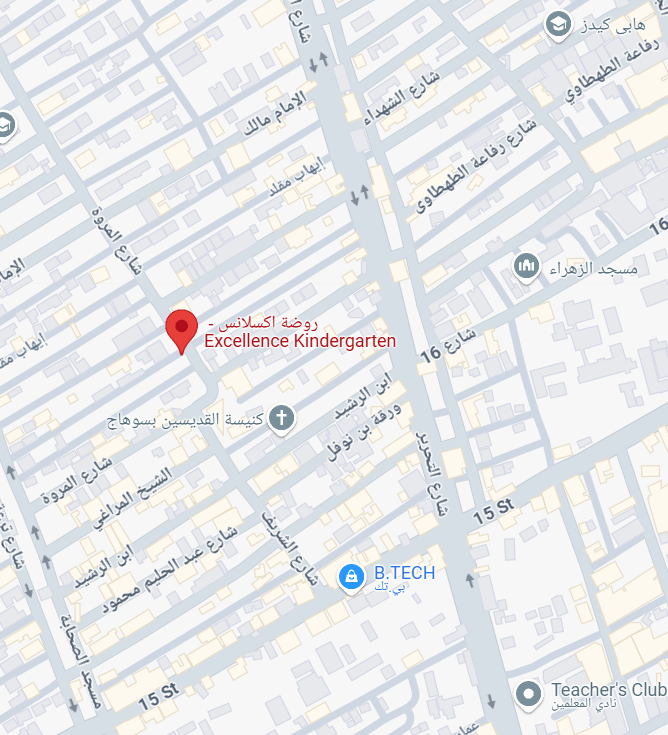
Address: Sayedah Rokia Street, behind Tarek Ben Ziad Primary School, Sohag Governorate
Phone: 011 27506373
Conclusion
Excellence Nursery is the ideal choice for preschool children who need a comprehensive and safe educational environment. With innovative teaching, diverse activities, and exceptional healthcare, the nursery ensures an integrated educational experience that contributes to the development of children's personalities and enhances their various skills. At Excellence Nursery, we place the child at the heart of our priorities and work tirelessly to provide a nurturing and safe environment for children to build a strong foundation for the challenges of the future.
Nurseries in Egypt are divided into several types based on their goals and educational content, including:
1. Educational Nurseries:
Focus on teaching children the basics of reading, writing, and languages. They often follow curricula like Montessori or the British system.
2. Developmental Nurseries:
Aim to enhance social and behavioral skills such as discipline, cooperation, and independence.
3. Religious Nurseries:
Focus on Quran memorization and teaching religious values and ethics in a conservative environment.
4. Specialized Nurseries:
Cater to specific groups such as:
Children with special needs.
Language-focused nurseries (e.g., French – German).
Art or sports-oriented nurseries.
5. Governmental and Private Nurseries:
Governmental: Low-cost and supervised by the Ministry of Social Solidarity.
Private: Run by individuals or private institutions, and vary in quality and services offered.
Tip: Choosing a nursery should be based on the quality of care, safety, and the level of individual attention given to each child.
The Egyptian law outlines several key objectives that nurseries aim to achieve, including:
1. Comprehensive Social Care:
Providing a safe and stimulating environment that takes care of the child physically, psychologically, and socially.
2. Development of Skills and Abilities:
Supporting children's talents and discovering their abilities through age-appropriate educational and recreational activities.
3. Integrated Preparation:
Preparing the child physically, culturally, psychologically, and morally in alignment with Egyptian societal values and religious identity.
4. Communication with the Family:
Raising awareness among parents and providing educational guidance to support proper parenting at home.
5. Strengthening Social Bonds:
Building a strong, interactive relationship between the nursery and the child’s family to ensure a continuous, well-rounded environment for growth and learning.
Note:
Nurseries are not just places to keep children, but they are key partners in education, laying the foundation for a strong and socially responsible personality for the child.
Nurseries have several important aspects that contribute to the child’s overall development:
1. Educational Aspect:
By providing educational and developmental activities, such as learning numbers, letters, and language basics, nurseries help children develop their cognitive skills.
2. Social Aspect:
The nursery provides a social environment that allows children to interact with their peers, learning communication skills, cooperation, and problem-solving.
3. Emotional Aspect:
Through emotional support from teachers, children learn how to manage their emotions and develop self-confidence.
4. Physical Aspect:
Physical activities help children develop fine and gross motor skills, such as running, jumping, and playing with educational toys.
5. Creative Aspect:
Creative activities like drawing, modeling with clay, and music help enhance children's imagination and boost their creative skills.
All these aspects work together to develop a well-balanced personality in children, enabling them to adapt to various aspects of life.
Here are 8 steps to ease the child’s transition to pre-school:
1. Visit the school together:
Introduce the child to the school environment beforehand so they can acclimate to it.
2. Meet new friends:
Encourage the child to meet other children so they can make new friends.
3. Role-play school:
Use school-related games at home to demonstrate the daily school routine.
4. Turn skills into games:
Make learning skills like dressing fun and engaging for the child.
5. Talk about your experience:
Share your own school experiences to create a positive image of school for the child.
6. Establish a new routine:
Set a regular daily routine to prepare the child for school.
7. Listen to your child:
Pay attention to the child’s feelings and concerns about school.
8. Create a comforting goodbye plan:
Make the child’s farewell comfortable and encouraging.
These steps help ease the child’s transition to a new stage.
Nursery is extremely important for children because it helps prepare them for the next educational stage and promotes their social and cognitive development. Through nursery, children learn how to build social relationships outside of the family, which enhances their communication and cooperation skills.
Nursery also contributes to developing critical thinking in children, helping them understand and analyze situations more effectively. It encourages a positive attitude towards learning, fostering their love for exploration and independent learning.
Additionally, nursery helps build the child’s self-confidence, which enables them to adapt better to the school environment in the future and enhances their ability to persevere and succeed.
Public Universities
Private universities
International universities
Accredited higher institutes
Government schools
Private schools
International schools
Language schools
Al-Azhar Schools
Special education schools
STEM schools
Teachers and lecturers
Nurseries
Language education centres
Programming and technology centers
Medical Training Academies