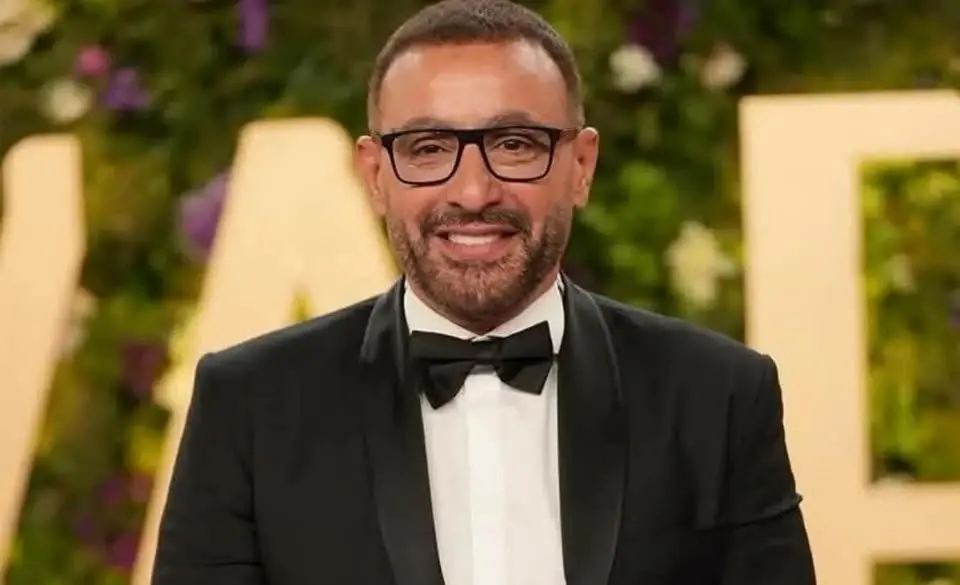

Ahmed El Sakka Speaks Again About the Meaning of Masculinity 🎬✨
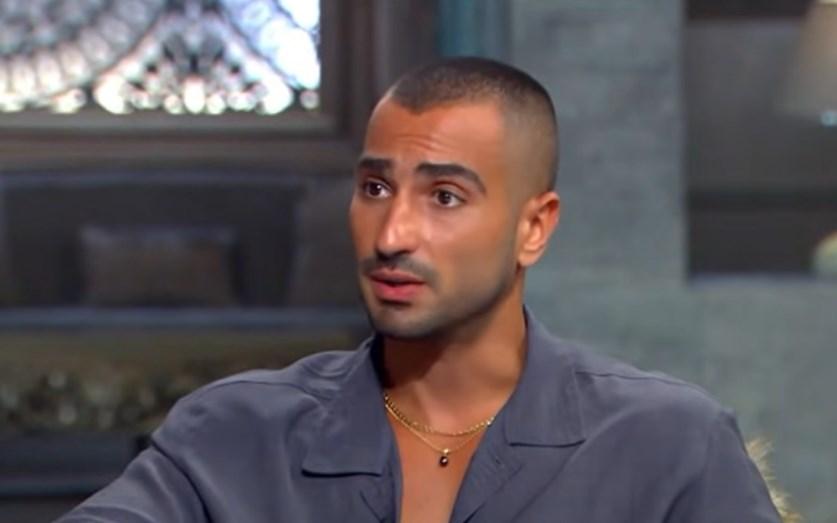
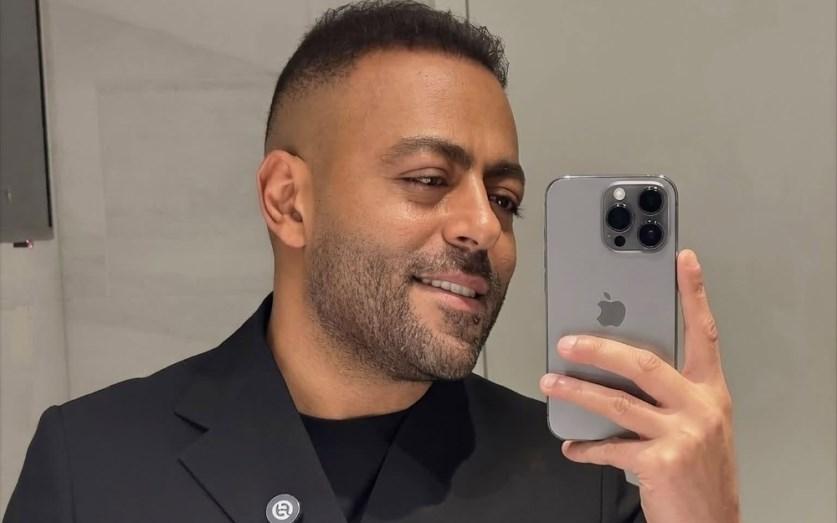
Actor Ahmed El Sakka has returned to public attention after media host Anas Bukhash reshared a clip from their 2021 interview on ABtalks, in which El Sakka spoke openly about the traditional image of masculinity that many men grow up with in Arab societies.
Although the interview took place years ago, the clip has once again sparked interest because El Sakka’s comments go beyond the idea of masculinity as physical strength. He focused instead on the emotional and psychological pressures placed on men and the social expectations that can make them feel they must hide sadness, fear or vulnerability.
The renewed circulation of the video has given the conversation a fresh context, particularly as discussions surrounding men’s emotional wellbeing and the right to express feelings have become increasingly visible in public debate.
“We Were Taught That a Man Should Say Nothing”.. A Traditional Message ⭐
During the interview, Ahmed El Sakka said: “We were taught in Arab society that a man should say nothing, should not cry, should not become weak, should not complain, should not break down and should not need a hug or someone to comfort him.”
His words describe a set of unwritten rules that can shape the image of men from childhood. Boys may be encouraged to endure difficulties without complaint and avoid displaying emotional pain in front of others.
This idea can begin early in life, when children receive direct or indirect messages that connect crying with weakness and silence with strength. Over time, such messages may teach boys to hide emotions rather than understand them or express them in a healthy way.
“A Block of Stone”.. The Pressure to Hide Emotions ❤️
El Sakka continued: “Men were raised to believe that you are a block of stone, a piece of rock, nothing can shake you.”
The statement highlights his view that society can place men inside an image of someone who should never be affected, as though showing emotion automatically contradicts masculinity.
Human reality, however, is different. Men experience fear, sadness, pressure, failure and loss just like anyone else, and they may sometimes need support or a person who listens without forcing them to prove their strength.
This is where El Sakka’s argument becomes especially relevant to the internal conflict many men may experience between what they genuinely feel and the image they believe society expects them to maintain.
“In the End, We’re Flesh and Blood and Human” 📢
El Sakka reached the central point of his message when he said: “In the end, we are flesh and blood and human beings. We will definitely be shaken.”
The sentence summarizes the idea behind his comments: the ability to endure hardship does not mean that a person is immune to emotions, and strength does not require the absence of feelings.
Acknowledging fear, sadness or the need for support can be part of dealing with pressure rather than evidence of weakness. A person who recognizes what they feel may have a greater chance of understanding themselves and handling difficult experiences instead of turning those emotions into a permanent internal burden.
Why Has the Clip Returned to the Spotlight? 🔥
Anas Bukhash’s decision to reshare the interview brought Ahmed El Sakka’s comments back into public discussion, especially as men’s emotional wellbeing has become a more visible topic in social conversations.
Social media allows older interviews and statements to be rediscovered in new contexts, where they can suddenly become relevant to issues audiences are discussing today.
El Sakka’s comments do not offer a simple definition of masculinity. Instead, they raise questions for viewers: Should a man hide his sadness? Does asking for emotional support make him less valuable? Does crying or openly expressing feelings really contradict strength?
Between Strength and Vulnerability.. A Different Definition of Masculinity 🎭
Masculinity has traditionally been associated in many societies with endurance, responsibility, protection and emotional stability. These qualities can be positive when they involve maturity and accountability, but they can become exhausting when they turn into rigid rules that prevent men from acknowledging their own feelings.
El Sakka’s comments suggest another perspective: a man can be strong and responsible while still experiencing moments of vulnerability or needing emotional support.
This does not mean abandoning responsibility. Instead, it means separating emotional strength from the denial of feelings. A person can remain resilient while still experiencing sadness, fear or exhaustion, and asking for support does not necessarily reduce their self-respect.
Men Do Not Always Need to Look Strong in Front of Everyone ⭐
One of the most striking elements of El Sakka’s comments is his reference to men sometimes needing a hug or a comforting gesture, ideas that traditional views of masculinity may treat as inappropriate for men.
Yet the need for human support is natural and not limited to one gender. Having someone who listens and creates a safe space for emotional expression can be an important part of reducing pressure.
The problem begins when a man becomes convinced that he must face every difficult experience alone and that admitting exhaustion will make others see him as less capable.
Old Comments.. But a Message That Still Resonates ✨
Although the interview clip that returned to the spotlight dates back to 2021, the issues Ahmed El Sakka discussed remain open to debate because they are connected to the way generations are raised and how societies understand human emotions.
Each generation develops different ways of discussing fatherhood, friendship, relationships and emotional wellbeing, which makes the return of such clips an opportunity to reconsider ideas that people may have accepted for years without questioning them.
From this perspective, El Sakka’s words were not simply a passing comment about masculinity. They represented an attempt to examine a social and educational concept that has remained present across generations.
Ahmed El Sakka Opens a Much Larger Conversation ❤️
The resurfaced clip raises a simple but meaningful question: Is a strong man someone who never feels pain, or someone who knows how to deal with his pain?
Ahmed El Sakka’s comments clearly lean toward the second view. The man is not a “rock,” as the traditional image he described suggests. He is a human being who can be shaken, frightened, saddened and in need of support.
Perhaps that is what makes his comments continue to resonate. They place human emotions where they naturally belong, challenging the idea that keeping pain hidden is the only proof of strength.
Do you agree with Ahmed El Sakka that society pressures men to hide their emotions? Do you believe expressing sadness or asking for support can actually be a form of strength rather than weakness? Share your opinion in the comments.