Frankenstein (2025) Explained: Story, Characters, Cast, and Why the Film Captivated Audiences
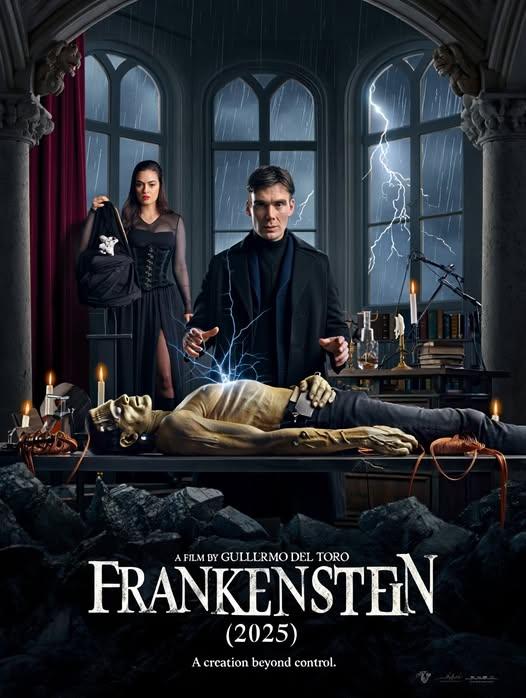
Guillermo del Toro’s 2025 adaptation of Frankenstein reimagines Mary Shelley’s classic with emotional depth, gothic visuals, and a stunning exploration of identity, grief, and forgiveness.
⭐ Introduction
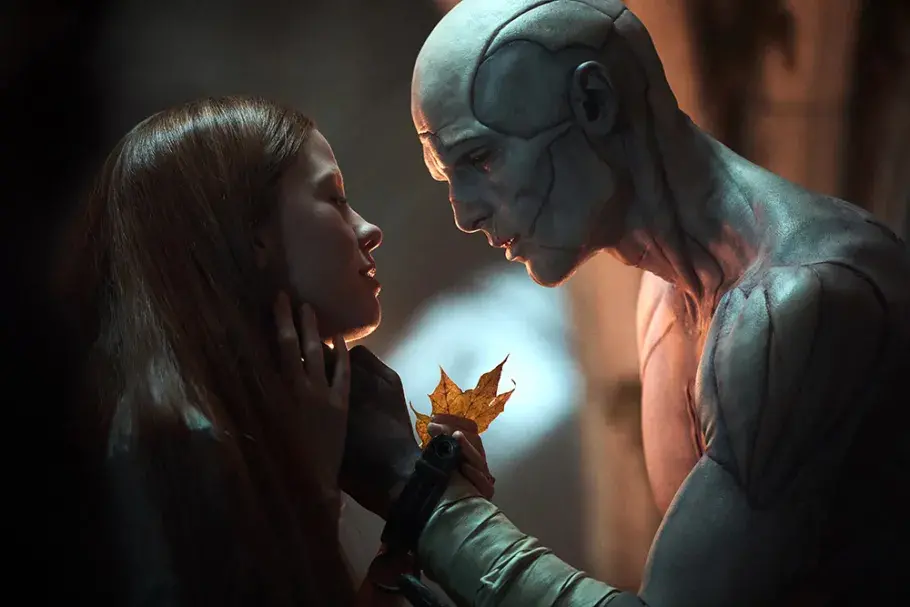
Frankenstein (2025) is Guillermo del Toro’s dark re-interpretation of the iconic gothic novel. Blending fantasy, horror, and emotional drama, the film dives into the core of humanity—creation, guilt, identity, and the longing for acceptance.
🎭 Cast
⭐ Oscar Isaac as Victor Frankenstein
⭐ Jacob Elordi as The Creature
⭐ Mia Goth as Elizabeth Lavenza
✨ Christoph Waltz in a major supporting role
✨ Felix Kammerer
✨ Lars Mikkelsen
✨ Charles Dance
✨ David Bradley
🔍 Character Analysis
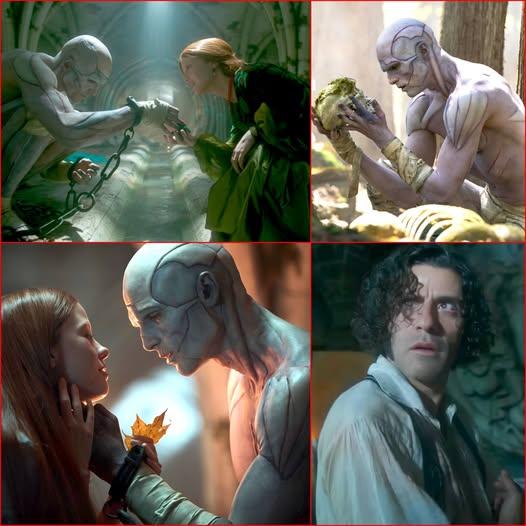
🧪 Victor Frankenstein (Oscar Isaac)
A brilliant scientist consumed by his obsession with conquering death.
✔ Ambitious
✔ Tormented
✔ Terrified of the consequences of his own creation
He represents human arrogance and the fear of facing our own mistakes.
💔 The Creature (Jacob Elordi)
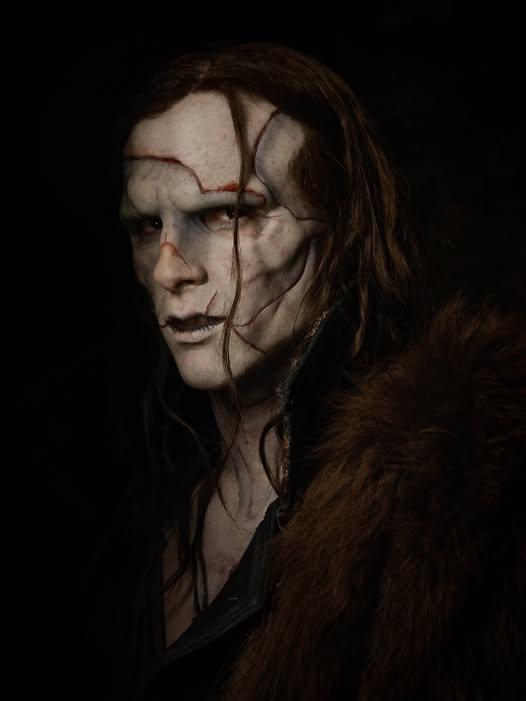
Not a monster—rather a tragic being searching for meaning and belonging.
✔ Emotionally sensitive
✔ Intellectually aware
✔ Haunted by abandonment
He embodies the question: Who defines humanity—the creator or the created?
🌹 Elizabeth Lavenza (Mia Goth)
Victor’s emotional anchor and moral contrast.
✔ Compassionate
✔ Loyal
✔ Symbol of the life Victor sacrifices for ambition
🎩 Supporting Characters
Christoph Waltz and others enrich the narrative with political, scientific, and moral layers that expand the world beyond Victor’s laboratory.
(Rewritten & Expanded)
In a world drowned in storm clouds, thunder, and ambition, Frankenstein (2025) opens with Victor Frankenstein—a scholar who refuses to accept the boundaries of human existence. Losing loved ones to illness fuels his belief that death is not destiny but a challenge to be defeated. Del Toro paints Victor not as a mad scientist, but as a broken man chasing the illusion of control.
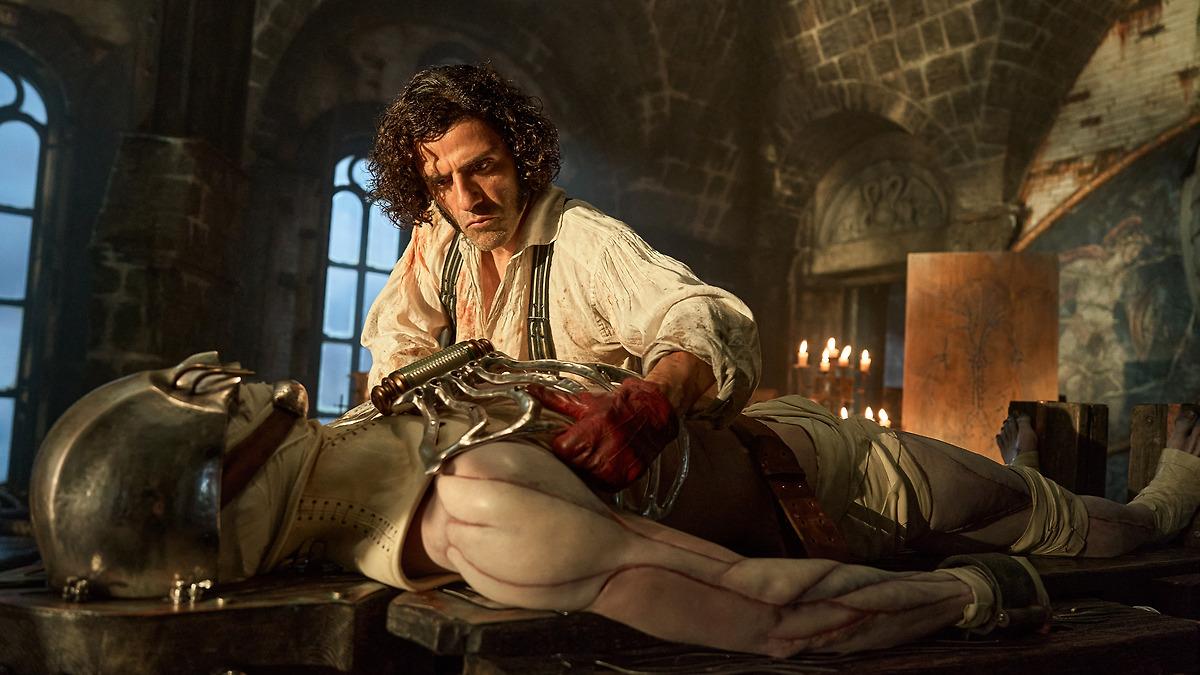
Victor spends years gathering forbidden knowledge, studying anatomy, electricity, and alchemy. His laboratory stands like a cathedral of tragedy—rusted metal, humming coils, stitched organs, and the constant crackling of storms overhead. ✨ Every object reflects his obsession.
In a moment of terrifying brilliance, propelled by lightning and desperation, Victor succeeds: a stitched body gasps for air, its chest rises, and its eyes open. But instead of triumph, Victor feels dread. The creature is alive—yet vulnerable, confused, and in pain. His creation becomes a mirror reflecting Victor’s guilt, not victory.
Abandoned, the creature wanders through forests, villages, and ruins, longing for connection. He watches families gather around fires, children laugh, lovers embrace—things he can never have. Despite his monstrous appearance, he feels deeply. He learns to speak, read, and understand the cruelty of rejection. The world fears him before hearing him.
Their second encounter is explosive. The creature confronts Victor with heartbreaking clarity:
🔥 “You gave me life… but no place to live. You made me—then ran from me.”
Victor lashes out defensively, torn between guilt and pride. Their relationship evolves into a tragic dance of creator and creation—half hatred, half longing.
Meanwhile, Victor’s personal life collapses. Elizabeth senses his emotional distance, his secrets, and the dark energy surrounding him. When tragedy strikes Victor’s family, suspicion falls on the creature, intensifying the conflict.
The film enters its emotional climax when Victor chases the creature into the Arctic. Mountains of ice tower above them, winds scream like ghosts, and the sun barely touches the horizon. Here, on frozen ground, truth finally emerges.
The creature opens his heart, revealing years of loneliness:
✨ “I asked for love. I was met with fear.”
✨ “I asked for guidance. You gave me shame.”
✨ “I asked for a place in the world. You left me in the dark.”
Victor breaks. He realizes that he created a soul—but never nurtured it. In a rare moment of surrender, he apologizes. Not as a scientist, but as a father. The creature, trembling with grief, forgives him—not out of weakness, but humanity.
The two share a moment of fragile peace. No victor. No monster. Just two broken beings tied by destiny.
Victor falls to illness, exhaustion, and the cold. The creature holds him until his final breath—a symbolic reversal: the creation comforts the creator.
In the final scene, the creature stands alone on the ice, watching the sunrise. His face softens—not with triumph, but acceptance. He walks into the blinding white horizon, neither monster nor man, but something in between.
⭐ Audience Reactions
⭐ Praised for its gothic visuals and emotional depth
⭐ Jacob Elordi’s performance called “career-defining”
⭐ Many viewers found the film heartbreaking and profound
⚡ Some said the pacing was long, but worth it
⭐ Celebrated as one of del Toro’s most artistic films
⭐ Why the Film Captivated Audiences
✨ Deep emotional storytelling
✨ A humanized portrayal of the creature
✨ Stunning practical effects
✨ Dark, poetic visuals
✨ A powerful message about forgiveness, identity, and responsibility

يُقدّم مسلسل Gangnam B-Side – جانغنام الجانب الآخر تجربة درامية مشوّقة تكشف العالم المظلم خلف رفاهية غانغنام. يتناول قضايا الفساد والجريمة المنظمة والاختفاء الغامض في حبكة معقدة مليئة بالتوتر والأحداث المفاجئة.
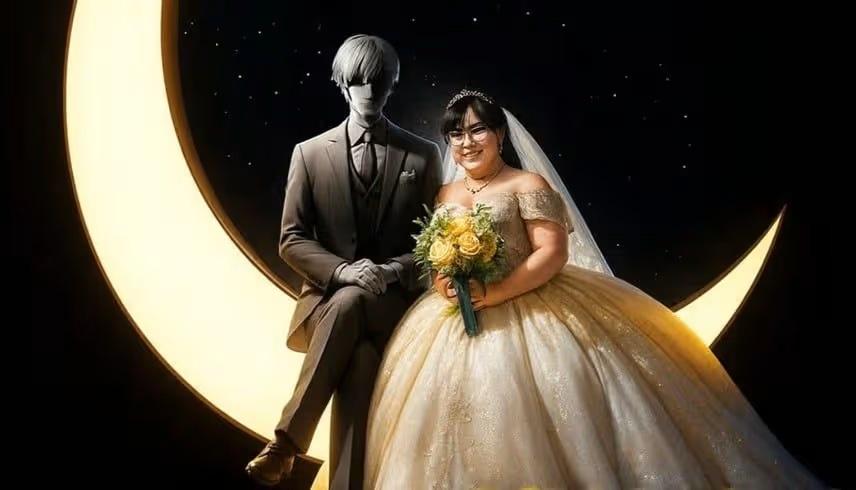
تعرف على التفاصيل الكاملة لقصة اليابانية كانو التي أثارت الجدل عالميًا بعد إقامتها زفافًا رمزيًا مع شخصية ذكاء اصطناعي تُدعى كلوس، وكيف تطورت العلاقة من محادثات بسيطة إلى ارتباط عاطفي عميق.
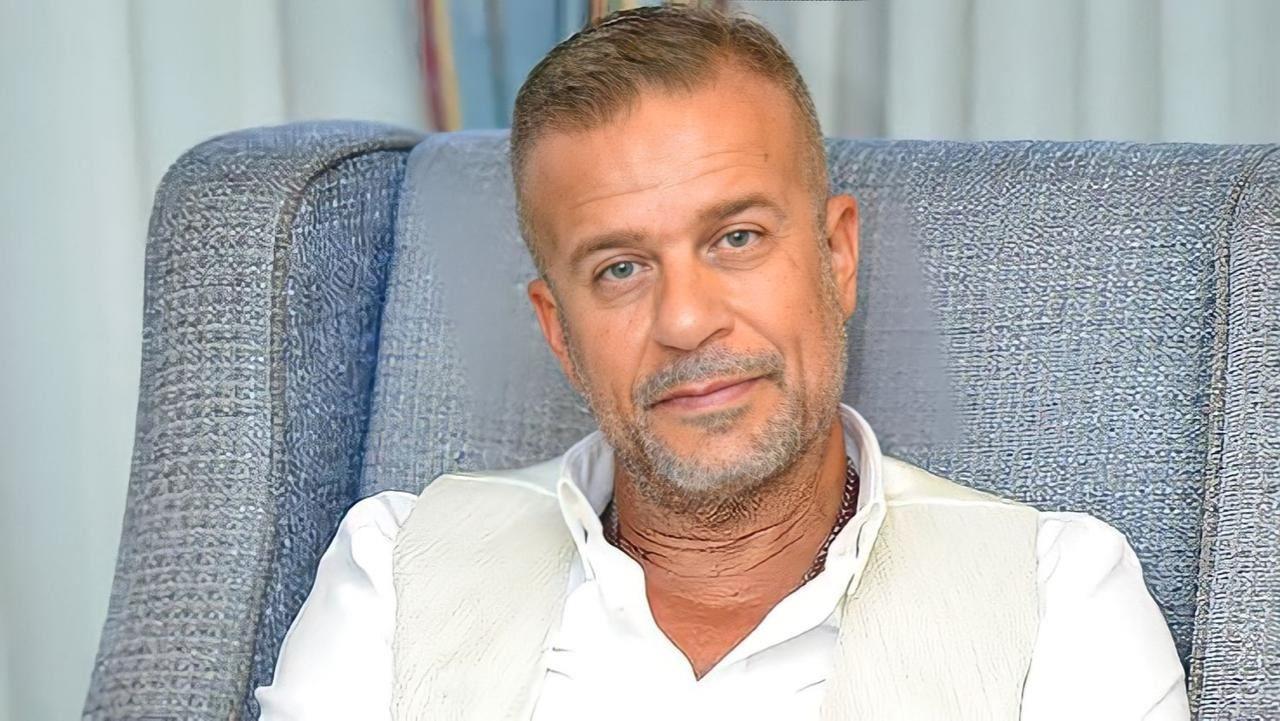
أشاد الفنان شريف منير بالبرنامج القرآني "دولة التلاوة"، مشيراً إلى طاقته الإيجابية وروحانياته، في حين تجاوز عدد مشاهديه 165 مليون مشاهدة على المنصات الإلكترونية.
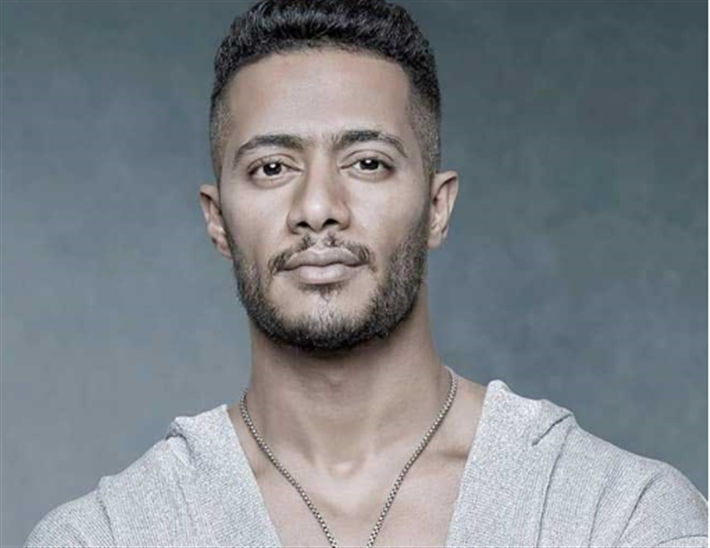
كشف الفنان محمد رمضان عن أغنيته الجديدة بعنوان "معاك للصبح"، وأرفق إعلانها بهدية ذهبية استثنائية تلقاها من أحد معجبيه في الإمارات.
