
🚨 Hesham Tahseen Reveals the Scale of Drama Piracy
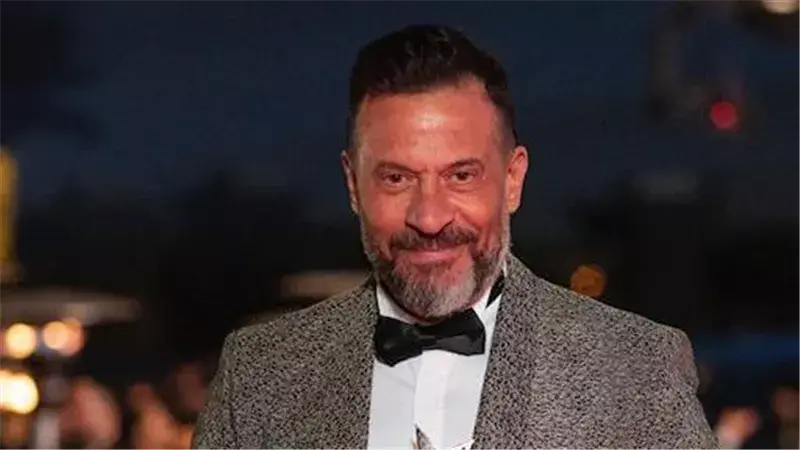
Producer Hesham Tahseen has shed light on the growing piracy crisis facing the Egyptian drama industry, explaining that content theft is no longer limited to isolated or random incidents in every case.
According to Tahseen, piracy methods have evolved significantly alongside technological developments, with some operations involving the acquisition of television productions followed by their technical preparation and redistribution or sale to media organizations.
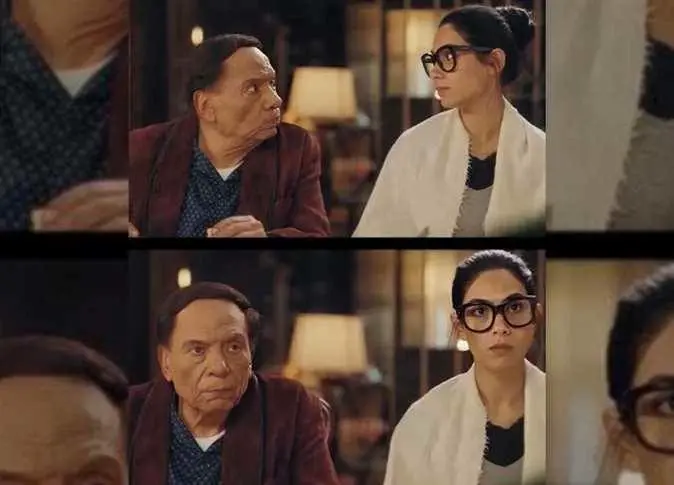
He cited Adel Imam’s series “Valentino” and “Hidden Worlds” as examples while discussing incidents involving the unauthorized use and distribution of Egyptian television productions outside the country.
The issue has become one of the major challenges facing the content industry, particularly as technology has made it increasingly easy to obtain, copy, modify, and redistribute audiovisual productions.
💰 Losses Reaching Hundreds of Millions Every Year
Speaking during a media interview on Sunday, Hesham Tahseen referred to international reports on the film industry and audiovisual sector in Africa.
He said that industry professionals cited estimates indicating that Egypt’s losses from piracy could amount to between 50% and 75% of its revenues.
Such figures highlight the significant economic impact piracy can have on the television and audiovisual industries, affecting not only production companies but also the various parties involved in creating, distributing, and commercializing content.
Tahseen also noted that losses resulting from content piracy can reach hundreds of millions annually, particularly as piracy methods continue to develop and unauthorized distribution becomes increasingly sophisticated.
🎬 “Valentino” and “Hidden Worlds” Among the Cited Cases
Hesham Tahseen referred specifically to “Valentino” and “Hidden Worlds,” both starring Adel Imam, while explaining how Egyptian productions can be handled outside official distribution channels.
The producer indicated that some piracy incidents go beyond simply uploading unauthorized copies of a production.
In certain cases, the content may be obtained and then technically prepared before being distributed or sold to media organizations.
These practices raise broader questions about how productions can move from their legitimate rights holders to other parties without the necessary authorization, particularly when the works involved have significant production value and a large audience.
🔍 Piracy Is No Longer Always an Individual Operation
Based on his experience in the drama industry, Tahseen stressed that content theft is not always carried out as a random or individual operation.
He explained that some cases may involve entities obtaining television productions and then processing them technically before distributing or selling them to other media organizations.
This development reflects how piracy can evolve beyond simply copying and uploading content into a more organized process involving multiple stages, from acquiring the production to preparing it and eventually distributing it to other parties.
📢 A Growing Threat to the Content Industry
Hesham Tahseen’s statements have once again highlighted the piracy crisis facing Egyptian drama, particularly because of its potential financial impact and the threat it poses to the rights of producers and creators.
As technology continues to evolve, protecting audiovisual content has become increasingly challenging, especially with the speed at which productions can be circulated across different websites and platforms.
The cases cited by Tahseen, including “Valentino” and “Hidden Worlds,” also demonstrate that piracy can affect major productions that have achieved significant popularity, including works starring Adel Imam.
With the financial losses highlighted by the producer, protecting intellectual property rights and strengthening measures against piracy remain crucial to preserving the economics of Egyptian drama and ensuring that productions reach audiences through legitimate distribution channels.
Do you think the rapid development of piracy methods has become the biggest challenge facing Egyptian drama? What should be done to better protect creators’ rights?