Mamdouh El-Laithy: Remembering the Architect of Egyptian Drama and Maspero’s Living Memory
On the anniversary of his passing, Mamdouh El-Laithy remains one of the most influential figures in Egyptian television drama, a creative force who shaped cultural awareness and left an enduring artistic legacy.
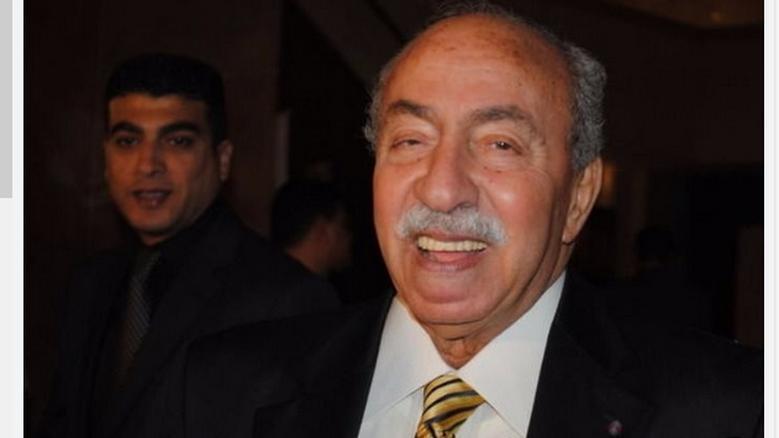

Today marks the anniversary of the passing of Mamdouh El-Laithy, the renowned writer, screenwriter, and producer whose presence in Egyptian television was far more than fleeting. He was a founding pillar of modern drama and a key figure in shaping Maspero’s cultural identity.
El-Laithy possessed a sharp artistic vision and an exceptional ability to transform everyday reality into deeply human stories, blending creativity with administrative discipline and turning television drama into a living archive of social transformation.
Early Life and Education
Born on December 10, 1937, Mamdouh Fouad El-Laithy came from the Bani Laith branch of the Kinana tribe. His educational path was remarkably diverse, earning a Bachelor’s degree from the Police Academy, a Law degree from Ain Shams University in 1960, and later a Cinema Institute diploma in 1964, reflecting his early passion for visual storytelling.
From Police Officer to Media Pioneer
El-Laithy worked as a police officer in Cairo and Fayoum until 1967, when he made a pivotal decision to leave law enforcement and dedicate himself fully to media and television, where he found his true calling.
Before joining television, he gained valuable experience in journalism, writing stories and articles and presenting a regular column while still a police academy student—an early indication of his storytelling talent.
Leadership at Maspero
Throughout his career, El-Laithy held several influential leadership positions within Egypt’s Radio and Television Union, including Head of the Scenario Department, Director of Television Drama Films, Head of Television Films, and eventually Head of the Production Sector.
He also served as Chairman of the Egyptian Radio and Television Union, Head of the Cinema Authority, President of the Artistic Syndicates Union, and Head of the Cinematographers Syndicate for several terms. He played a pivotal role in establishing Media Production City.
A Monumental Artistic Legacy
El-Laithy contributed to the production of 164 television drama films, approximately 600 documentary films, and more than 1,500 hours of television drama, making him one of the most prolific and influential figures in Egyptian media history.
His works addressed political, economic, and social realities with a unique balance of symbolism and direct storytelling.
Notable Works
His most notable cinematic works include Miramar, Chitchat on the Nile, El-Sukkaria, El-Karnak, The Guilty, Love Under the Rain, My Love Amira, Nothing Matters, A Woman of Bad Reputation, I Do Not Lie But I Beautify, and The Resignation of a Nuclear Scientist.
He also left a strong mark on theater and television drama and was among the pioneers of Ramadan TV riddles (Fawazeer), which became a beloved tradition in Egyptian households.
Awards and Personal Life
In recognition of his career, El-Laithy received numerous honors, including Egypt’s State Appreciation Award for Arts in 1992.
He was married to Laila El-Didi and was the father of media personality Amr El-Laithy. His younger son passed away at an early age.
A Legacy That Endures
Mamdouh El-Laithy passed away at the age of 77, but his absence never diminished his presence. His name remains engraved in the history of Egyptian art as a master creator who united thought and creativity, leaving behind a legacy that continues to inspire generations.

Aisha Ben Ahmed sparks strong audience engagement with her latest Instagram appearance, showcasing an attractive look surrounded by nature while revealing details about one of her most difficult acting scenes.

Hana El Zahed grabs attention with her latest appearance alongside her sister Nour during their summer vacation, as fans widely interacted with their casual look.

تستعد الفنانة مها أحمد لاستئناف عروض مسرحية «ملكة الحواديت» على مسرح عبد المنعم مدبولي، في تجربة فانتازية موجهة للأطفال والعائلات تجمع بين الحكايات والاستعراض.

Caroline Azmy discusses her role as “Nawal” in “Mahmoud and Mahmoud,” revealing behind-the-scenes details of working with Ahmed Ghazi and Kozbara, as well as her theater experience and upcoming projects.
